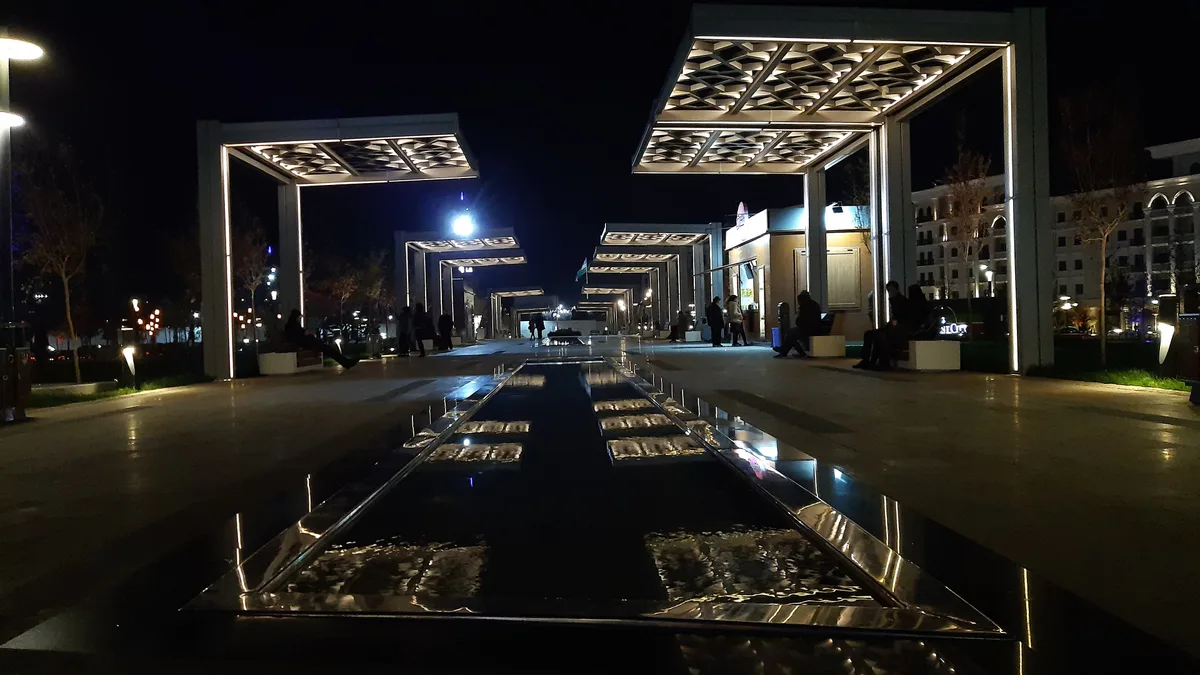
A week of cinema on the old caravan route
Tashkent gives this festival its setting. For seven days, from November 9 to 15, 2026, the Silk Road International Film Festival brings Central Asian and international cinema to the Uzbek capital. This is the festival’s 14th edition, and it runs every year.
The name tells you what to expect from the programme. The festival places films from Uzbekistan and its neighbours alongside work from much further away, the way the old trade routes once carried goods from China to the Mediterranean. Expect to come away with names and films you would rarely meet at a European festival.
Dates, tickets and venue
The core facts are simple:
- Dates: November 9–15, 2026
- City: Tashkent, Uzbekistan
- Edition: 14th
- Focus: Central Asian and international cinema
The organiser publishes the screening venues, the daily programme and ticket information on its official festival channels. This guide does not name a venue or a price, because neither was in the information we could verify. That page also lists individual screening times, which differ from day to day across a festival week.
International visitors usually build their trip around the full programme, not around one evening. A seven-day schedule lets you mix headline screenings with smaller regional titles.
Why Tashkent suits a film festival
The city has a long relationship with the screen. Uzbekfilm, the national film studio, is based in Tashkent and has made films since the Soviet period. From 1968 the city also hosted the Tashkent Film Festival of Asian, African and Latin American cinema, one of the better-known film events of the Soviet era.
You don’t need that background to enjoy the week. Still, it explains why a Central Asian film festival looks at home here. Tashkent is the largest city in the region, and the place where much of Uzbekistan’s film industry has always worked.
Plov at noon, films at night
Festival weeks have their own rhythm, and Tashkent adds one more. Plov, the national rice dish, is traditionally a midday meal. Rice, carrots, onions and mutton are cooked slowly in huge cast-iron kazans, and the big plov centres are at their best around lunch, often running low by the afternoon.
This suits a film schedule well. Many festival-goers eat a heavy plov lunch, walk it off, then spend the afternoon and evening in screenings. Other things you’ll eat between films:
- Samsa: flaky pastries filled with meat or pumpkin, baked against the walls of a tandir oven
- Non: round, stamped flatbread, sold everywhere and torn by hand
- Shashlik: grilled skewers, a common evening meal
- Green tea: poured into small bowls called piala, and refilled again and again
November in the capital
Mid-November is late autumn in Tashkent. Days are cool and often clear, while evenings turn properly cold once the sun goes down. A warm layer matters most for the walk home after a late screening.
There are upsides. The summer heat is long gone, and the plane trees along the boulevards turn yellow. The daytime light suits slow walks between venues.
Moving around between screenings
Getting around Tashkent during festival week is straightforward:
- Tashkent Metro: the Soviet-built system has stations decorated with chandeliers, mosaics and marble. Photography inside has been allowed since 2018, and many visitors ride it partly for the architecture.
- Yandex Go: the ride-hailing app most people in the city use. It shows the fare up front and avoids negotiating with street taxis.
- On foot: the centre around Amir Timur Square is spread out, with wide avenues and long blocks. Distances on the map are longer than they look.
Most international visitors arrive at Islam Karimov Tashkent International Airport, a short drive from the centre. Many nationalities can enter Uzbekistan visa-free, and others apply for an e-visa. The rules depend on your passport.
Festival etiquette, Tashkent style
A few local habits make the week easier. Uzbek is the national language, and Russian is still spoken widely in Tashkent, especially among older residents. A simple “rahmat” (thank you, in Uzbek) or “spasibo” (Russian) is always welcome.
Money works in a particular way. The currency is the Uzbek so’m, and notes come in large denominations, so even small purchases involve a lot of zeros. Card payment is common in hotels and newer restaurants. Cash still rules in bazaars and small cafés, and ATMs are easy to find in the centre.
Many sit-down restaurants add a service charge to the bill, so look at the total before adding a tip. Plov centres and street stalls generally do not expect one.
Hospitality is taken seriously. If someone pours you tea, accept at least one bowl. If you visit a mosque or madrasa between screenings, cover your shoulders and knees, and women usually carry a scarf.
Beyond the screens
A week-long festival leaves room for the city itself. Chorsu Bazaar, under its turquoise-domed hall, is the place to see Tashkent shopping for spices, dried fruit and bread. Close by, the Hazrati Imam complex holds a centuries-old Quran manuscript that many visitors come specifically to see.
In the centre, Amir Timur Square sits a short walk from the Alisher Navoi Opera and Ballet Theatre. That theatre was built in the 1940s, partly by Japanese prisoners of war. Visitors with an extra day often take the high-speed Afrosiyob train to Samarkand, about two hours away. Many fit it in before or after the festival week.
Frequently asked questions
When is the Silk Road International Film Festival 2026?
The 14th edition runs from November 9 to 15, 2026, in Tashkent, Uzbekistan.
Where are the festival venue and tickets listed?
The organiser publishes the screening venues, daily programme and ticket information on its official festival channels. Screening times vary from day to day across the week.
How long should I stay for the festival?
The festival lasts seven days. International visitors usually stay several days so they can mix bigger screenings with smaller regional films, and many add a day trip to Samarkand on the high-speed Afrosiyob train.
What is the weather like in Tashkent in mid-November?
It's late autumn: days are cool and often clear, and evenings get cold after sunset. A warm layer is useful for walking home after late screenings.
How do I get around Tashkent during the festival?
The Tashkent Metro covers the centre and its stations are worth seeing in their own right. Yandex Go is the ride-hailing app most locals use, and it shows the fare before you ride.
Plan your trip to Tashkent
Uzbekistan eSIM & staying connected →
Some links above are affiliate links — if you book through them, Wander Atlas earns a small commission at no extra cost to you. It's how we keep every guide free.
Related guides
 Ended
2026 Asian Table Tennis Championships: Dates, Tickets & Venue (Tashkent)
 event
5th President Cup (Chess): Dates, Tickets & Venue (Tashkent)
 event
Abzal Uteshov Tashkent Concert: Dates, Tickets & Venue (Tashkent)
 event