Why it’s suddenly the bowl everyone wants
You hear about Chiikawa Ramen Buta before you see it, from a friend’s phone screen, a queue photo, a Michelin headline. In 2026 it crossed from playful pop-culture ramen shop into the city’s top dining tier, the kind of jump that turns a neighborhood counter into a pilgrimage site.
The name nods to Chiikawa, the wildly popular Japanese character franchise, but don’t mistake this for merchandise dressed up as food. The star came from the bowl, not the branding.
What the place is actually like
Picture a compact counter kitchen, steam fogging the glass, a chef working a single pot of pork broth with total focus. Buta means pork in Japanese, and that’s the spine of the menu here, a tonkotsu-adjacent, richly worked broth built for depth over decoration.
The room is small. Ramen-ya in Tokyo almost always are, and that’s part of the theater: you sit close enough to watch the ladle work, the noodles drain, the bowl assembled inches from your face.
Character-branded touches appear in small details (a bowl design, a napkin, signage) rather than overwhelming the food itself. The draw now is culinary, reinforced by the Michelin recognition rather than the novelty that first got it noticed.
Getting there and what to expect
Exact address, hours, and reservation policy are still shifting as the shop adjusts to its new spotlight, so treat any listing you find online as provisional until you confirm it directly before your visit.
What you can plan around:
- Arrive expecting a wait, even outside peak hours, newly starred ramen shops in Tokyo routinely queue for an hour or more.
- Have a backup time slot in mind in case the shop is reservation-only or has capped walk-in numbers.
- Bring cash as a fallback, since compact ramen counters in Tokyo sometimes lag on card acceptance.
- Check whether a ticket machine (shokken-ki) is used at the entrance, common at ramen shops citywide.
What to order
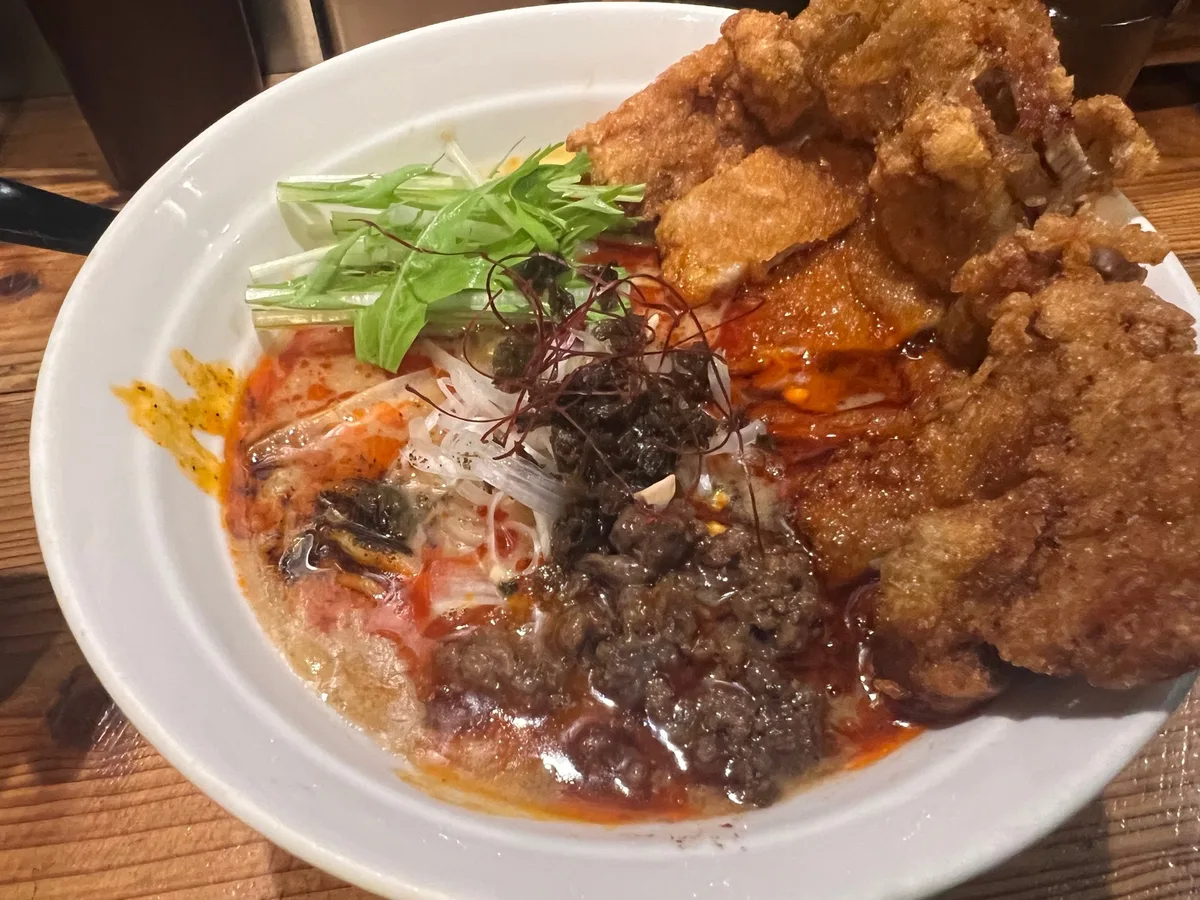
The menu is built around one dish done exceptionally well, not a sprawling list. Order the signature pork broth ramen as your baseline the first time, and let the counter staff guide you on any limited or seasonal variations.
Toppings in Tokyo ramen shops typically include chashu pork, ajitama (marinated egg), menma, and scallion. Expect a version of this lineup here, refined to the shop’s own standard.
How to visit like a local
Tokyo diners treat a Michelin-fresh ramen shop with a specific etiquette: move fast, eat efficiently, don’t linger over a single stool once you’re done. Slurping is normal and even expected. It’s how the broth aerates and cools as you eat.
Payment is usually settled either at a ticket machine before you sit or at the register on the way out; have small bills ready if the machine looks cash-only. Tipping isn’t practiced anywhere in Japanese restaurants, ramen shops included. Skip it.
The mistake first-time visitors make is showing up at the obvious peak, weekend lunch, and being shocked by the line. Locals chasing a trending shop often go right at opening or during a weekday mid-afternoon lull between lunch and dinner service, when kitchens are still running but crowds thin out.
Don’t expect to linger over conversation at the counter. Ramen culture here is quick, focused, almost solitary even when you’ve come with friends, you talk after, over the bowl empty in front of you, not during.
Before you go
Because this is a newly starred, high-demand spot, treat every practical detail as time-sensitive. Confirm current opening hours, whether reservations are accepted or required, and the exact location directly through official channels or a recent local source before building your day around it.
Frequently asked questions
Do I need a reservation?
Policies are still being finalized as the shop adjusts to its new Michelin status — check directly before you go, and have a walk-in backup plan since queues are common.
How long should I budget for the visit?
Plan for 60-90 minutes total once you factor in a likely wait, since the meal itself at a ramen counter is typically quick, often 20-30 minutes.
What's the best time to avoid crowds?
Newly starred ramen shops in Tokyo are usually busiest at weekend lunch; try right at opening or a weekday mid-afternoon lull instead.
Can I pay by card?
Bring cash as a backup — many compact Tokyo ramen counters still rely on ticket machines or cash-only registers.
Is this connected to the Chiikawa character franchise?
Yes, the branding references the popular Chiikawa characters, but the Michelin recognition is for the ramen itself, centered on a pork-based (buta) broth.
Plan your trip to Tokyo
Japan eSIM & staying connected →
Some links above are affiliate links — if you book through them, Wander Atlas earns a small commission at no extra cost to you. It's how we keep every guide free.