Ameyoko market: Tokyo Travel Guide (4.3★)
When to visit Japan: month-by-month weather, crowds and holidays →
✓ Facts verified via Google Places · Sep 22, 2026
At a glance
How this guide is made
Produced with AI assistance and reviewed against live data sources. Facts such as hours, ratings, and location come from Google Places; images are licensed or public domain. Details can change — please verify before visiting. Editorial policy
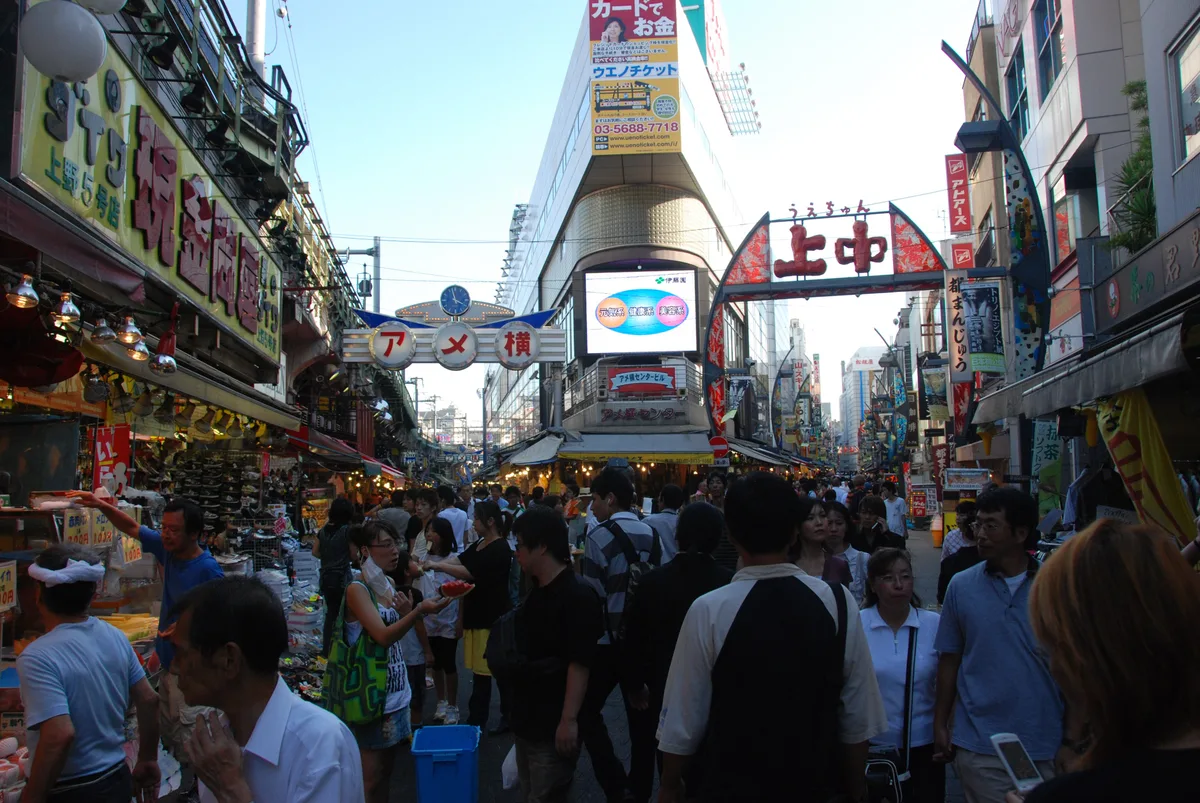
Ameyoko is the strip of shops and stalls that runs under and alongside the elevated JR tracks between Ueno and Okachimachi stations. The name is short for Ameya Yokocho, “candy shop alley,” a nod to the black-market sweets trade that started here after the war. What’s left today is louder and more crowded than candy: crates of frozen tuna, bins of dried fish, sneaker walls, and vendors shouting prices over each other.
Finding your way in
The easiest entrance is right outside Ueno Station’s Hirokoji exit, on the JR Yamanote/Keihin-Tohoku line side. From there the covered arcade runs south for several blocks toward Okachimachi Station, with narrower side lanes branching off under the rail bridge itself.
You don’t need a map so much as a direction: keep walking south and you’ll pass through the whole market in fifteen minutes if you don’t stop. Most people stop constantly.
What’s actually for sale
The stretch closest to Ueno leans toward food: whole fish on ice, mounds of dried squid and shrimp, cheap fruit by the box, and small stalls frying skewers you can eat standing up. Further along, the mix shifts to clothing, discount cosmetics, sneakers, and army-surplus stores that have been fixtures for decades.
- Fresh and dried seafood, sold by weight or by the bag
- Fruit stalls, often the cheapest in central Tokyo
- Sneakers and streetwear at a discount
- Military surplus and outdoor gear
- Small stand-up food counters for skewers, gyoza, and street snacks
Prices aren’t marked the same way in every stall; ask before you commit to a bag of anything.
Why it draws a crowd
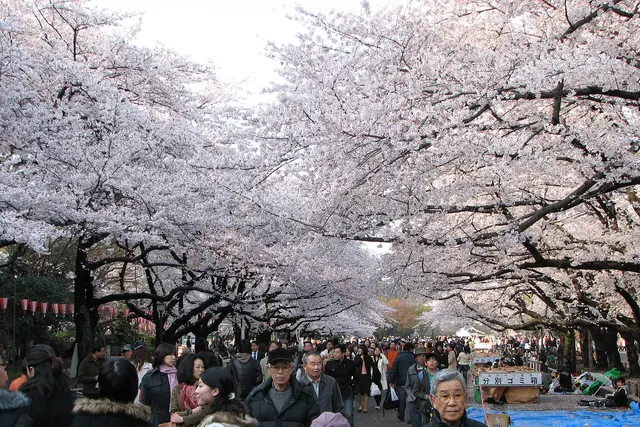
Ameyoko is a well-known stop on the standard Tokyo itinerary, not a quiet backstreet find, and the volume of visitors reflects that. Weekends and holiday afternoons bring shoulder-to-shoulder foot traffic, especially in the food section near Ueno.
If the goal is actually looking at what’s on the tables rather than being carried along by the crowd, weekday mornings are noticeably calmer. The market is at its most chaotic and most fun right before New Year, when it becomes one of the city’s biggest spots for holiday food shopping.
Shopping like a regular here
Vendors expect back-and-forth, especially at the seafood and produce stalls; a polite “maketeyo” (knock it down a bit) sometimes works, though not everywhere and not with a hard face. Cash is still the safest bet at the smaller stalls, even though more shops now take IC cards or QR payment.
- Bring a tote bag; boxes of fruit and bags of dried fish add up fast
- Eat where you buy: standing counters don’t expect you to linger
- Watch your bag in the tightest lanes near the tracks, where the crowd bunches up
- Don’t block a stall’s frontage to take photos during a busy stretch; step to the side
Nobody expects you to speak Japanese, but pointing and holding up fingers for quantity gets you through most transactions fine.
Eating on the move
Beyond the raw seafood there’s a decent stretch of casual eating: standing sushi counters, Korean-style fried chicken windows, and shops selling roasted chestnuts in season. None of it is sit-down dining; it’s built for grazing your way down the strip.
If you want a proper meal after, Ueno Park and its museums are a five-minute walk north, and the Ameyoko side streets hide a few izakayas that get going once the market stalls start closing for the evening.
Getting the timing right
Most stalls open by mid-morning and wind down by early evening, though hours vary stall to stall since this isn’t a single managed market. Arriving close to opening gives you first pick of the fresh fish before the midday crowd arrives.
Give yourself 45 minutes for a walk-through, or closer to two hours if you plan to eat as you go and duck into the surplus and sneaker shops along the way.
Frequently asked questions
How do I get to Ameyoko market?
Exit Ueno Station via the Hirokoji exit on the Yamanote/Keihin-Tohoku line side; the market entrance is right there. It's also a short walk north from Okachimachi Station.
What is Ameyoko market known for?
Fresh and dried seafood, cheap fruit, discount sneakers and streetwear, and army-surplus stores, all packed into a covered arcade and side lanes under the JR rail tracks.
When is Ameyoko market quietest?
Weekday mornings are calmer than weekends and afternoons. It's a very popular stop on most Tokyo itineraries, so expect crowds, especially in the food section, unless you arrive early.
How long should I spend at Ameyoko?
A straight walk-through takes about 15 minutes, but budget 45 minutes to two hours if you want to browse stalls, eat street snacks, and duck into the surplus or sneaker shops.
What's nearby Ameyoko market?
Ueno Park and its museums, zoo, and temples are about a five-minute walk north, making it easy to pair a market visit with a longer day in the Ueno area.
Plan your trip to Tokyo
Some links above are affiliate links — if you book through them, Wander Atlas earns a small commission at no extra cost to you. It's how we keep every guide free.
Related guides
This spot is Day 2 of our Tokyo 3-day itinerary
This spot is Day 2 of our Tokyo 5-day itinerary