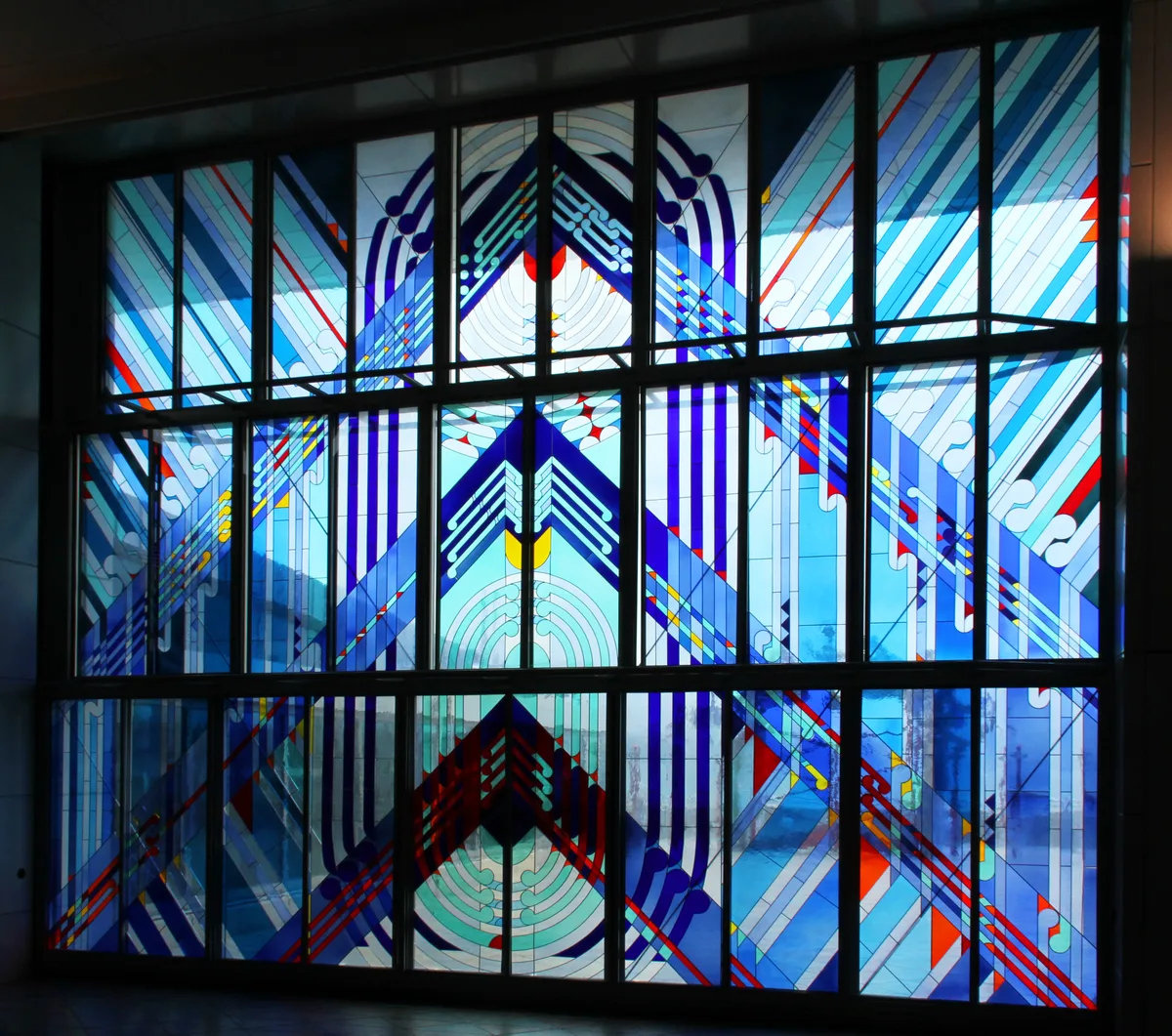
A warehouse that kept the city’s goods
Start with the building, a Victorian brick block facing the harbour. It went up in 1892 as the Bond Store for the Wellington Harbour Board, where imported goods were held until the duty on them was paid. The Harbour Board also ran its offices from here. Today it sits at the corner where Jervois Quay meets Queens Wharf, right on the waterfront promenade.
From outside, it looks like the trading port it once served. Inside, the floors have been turned over to Wellington’s own story: Māori arrival and settlement, the working harbour, the earthquakes, and the city’s odder habits. The museum’s material is regional, not national. That’s its strength, because everything you see happened within sight of the windows.
Climbing through the floors
The museum is stacked vertically, and the easiest way to see it is to work from the ground floor up. Each level has its own theme. Moving floor by floor keeps you from doubling back through the same rooms.
Things worth slowing down for:
- The harbour and maritime galleries: models, objects and records from the years when this wharf was the city’s front door.
- The Māori legends presentation: a short theatrical show that retells the origin stories of Te Whanganui-a-Tara, the Māori name for Wellington Harbour.
- The attic level at the top: a looser, more playful collection of local curiosities. It suits a slow wander.
Most people need 1–2 hours. If you read every panel and sit through the screenings, plan for the longer end.
The Wahine room
This is the gallery visitors remember. On 10 April 1968, the inter-island ferry TEV Wahine struck Barrett Reef at the harbour entrance during one of the worst storms in New Zealand’s recorded history. It capsized near Steeple Rock and 51 people died, with more deaths later. It remains the country’s best-known modern maritime disaster.
The museum gives the sinking its own space. You’ll find salvaged objects, personal stories and a film built from footage of that day. The setting adds weight: you are standing on the same harbour, a short distance from where it happened.
Give this room time and don’t rush the screening. Visitors with children may want to watch first and decide how much to share, because the subject is a real disaster with real losses.

Timing your visit around the crowds
The timing here is fairly predictable. At the moment the museum opens 10am–5pm all week. Hours can change through the year and on public holidays, so check the official Wellington Museum site for this month’s times before you set off.
On weekdays, 4pm–5pm is the quietest hour. That’s useful if you want the Wahine room to yourself, but it’s only one hour before closing. Either arrive earlier and save the top floors for the final stretch, or come back on another day for that last hour.
Weekends are harder. Between 11am and 4pm the floors fill up and the stairwells slow down. If a weekend is your only option, arriving right at 10am gives you the most room before that wave builds.
Getting in and getting around
The museum is plain and practical to use, and a few habits help.
- Admission: the official website and the front desk show the current arrangement. Check there instead of relying on older blog posts.
- Bags: you’ll be moving through stairwells and narrow gallery spaces, so carry as little as you can.
- Shows: the Māori legends presentation and the Wahine film run on a loop. Ask at the front desk when the next screening starts and plan your route around it.
- Paying: New Zealand runs mostly on card and contactless, and tipping isn’t expected anywhere in the city.
- Manners: keep voices down in the Wahine room. Some visitors have family links to the sinking.
If a gallery is packed, skip ahead and come back to it. Groups tend to move through the building together, so the room behind them usually empties within a few minutes.
Finding Jervois Quay
The museum is in the middle of Wellington’s walkable waterfront, so you rarely need transport to reach it. From Wellington Railway Station it’s an easy flat walk south along the harbour, roughly 10–15 minutes. Buses run along Jervois Quay and the nearby Customhouse Quay.
From Lambton Quay, the main shopping street, cut down any side street towards the water and you’ll reach Queens Wharf within minutes. The Wellington i-SITE visitor centre is close by if you need maps or bookings for the rest of your trip.
City parking is limited and the wharf area is busy. Walking or the bus is almost always simpler.
Making a waterfront afternoon of it
The museum fits into a longer day on the harbour. Walk south along the waterfront past Frank Kitts Park and you’ll reach Te Papa Tongarewa, the national museum, in about 15 minutes. Te Papa covers the whole country. Wellington Museum covers only this city, and seeing both gives you the national picture and the local one.
Heading the other way, Lambton Quay leads to the bottom station of the Wellington Cable Car. It runs up to Kelburn and the Botanic Garden, with views back over the harbour you’ve just been learning about.
A sensible order: see the museum in the morning, eat along the waterfront, then visit Te Papa or ride the cable car in the afternoon. That fills a day without too much walking.
Frequently asked questions
When is the quietest time to visit Wellington Museum?
On weekdays, 4pm–5pm is the quietest hour, though that's the last hour before closing. Try to avoid weekends between 11am and 4pm, the busiest stretch. On a weekend, arriving at the 10am opening is your best bet.
How long should I spend at Wellington Museum?
Plan for 1–2 hours. Allow longer if you want to watch both the Māori legends presentation and the Wahine film in full.
Where is Wellington Museum and how do I get there?
It's at 3 Jervois Quay, Wellington Central, in the 1892 Bond Store at the entrance to Queens Wharf. It's an easy walk along the waterfront from Wellington Railway Station or Lambton Quay, and buses run along Jervois Quay.
What are the opening hours?
At the moment it opens 10am–5pm every day. Hours can change through the year and on holidays, so check the official Wellington Museum website before you go.
What else is nearby?
Te Papa Tongarewa is about 15 minutes' walk south along the waterfront, past Frank Kitts Park. Lambton Quay and the Wellington Cable Car to Kelburn and the Botanic Garden are a few minutes inland.
Plan your trip to Wellington
New Zealand eSIM & staying connected →
Some links above are affiliate links — if you book through them, Wander Atlas earns a small commission at no extra cost to you. It's how we keep every guide free.
Related guides
 attraction
Museum of New Zealand Te Papa Tongarewa: Wellington Travel Guide
 attraction
Whale Watch: Kaikoura Travel Guide (4.7★)
 attraction
Christchurch Botanic Gardens: Travel Guide (4.7★)
 attraction