India · Region
Agra
Photo: Yann; edited by Jim Carter / Wikimedia Commons (CC BY-SA 4.0)
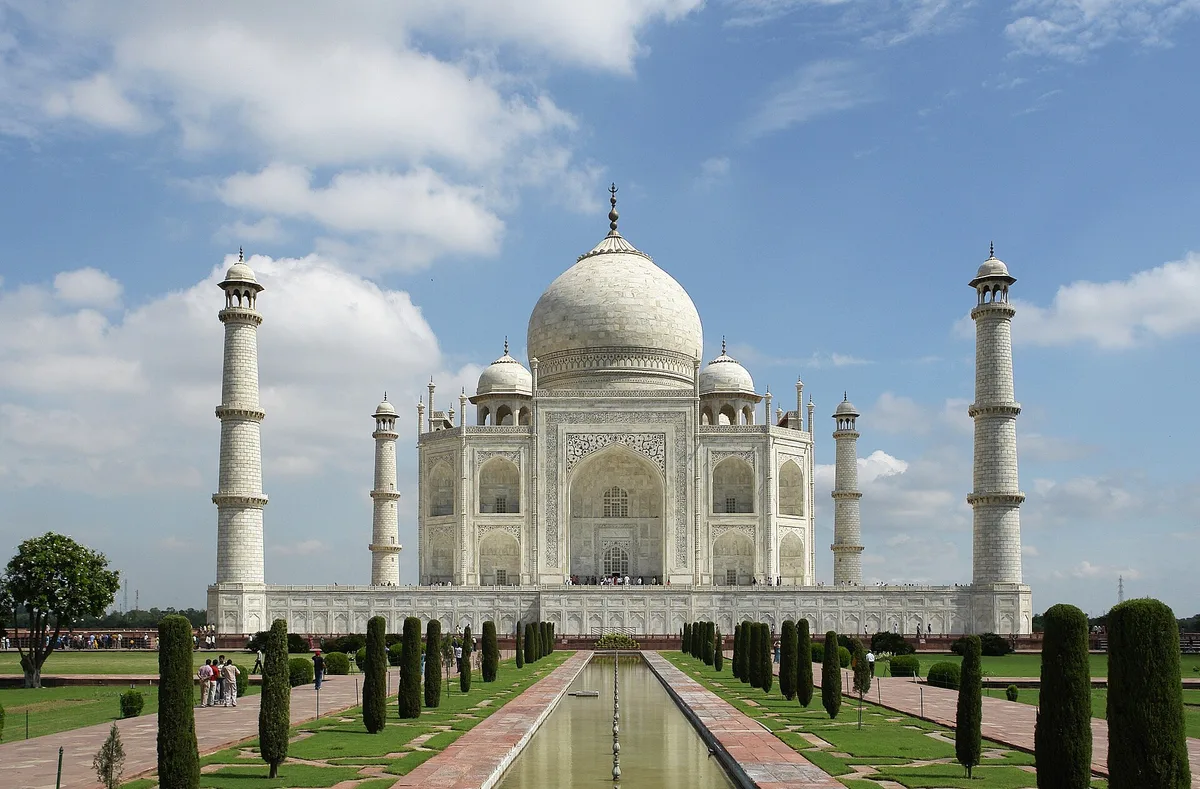
Agra is defined by the Taj Mahal, the marble mausoleum that draws visitors from around the world, but its skyline of red sandstone forts and tombs reflects centuries as a seat of Mughal power. Beyond the icon, the city's medieval lanes, bazaars, and nearby Fatehpur Sikri make it one of India's densest concentrations of Mughal-era architecture.
Top attractions
 attraction
 Itmad-ud-Daula: Agra Travel Guide
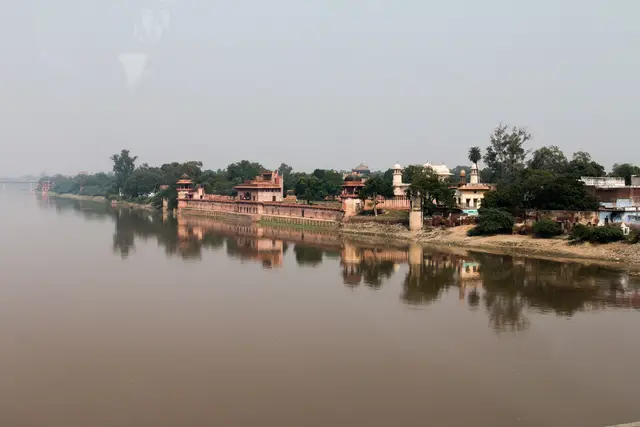
Itmad-ud-Daula, the marble "Baby Taj," sits on the Yamuna's east bank in Moti Bagh, about 20-25 minutes by car or auto-rickshaw from central Agra.
 attraction
 Mehtab Bagh: Agra Travel Guide (4.2★)
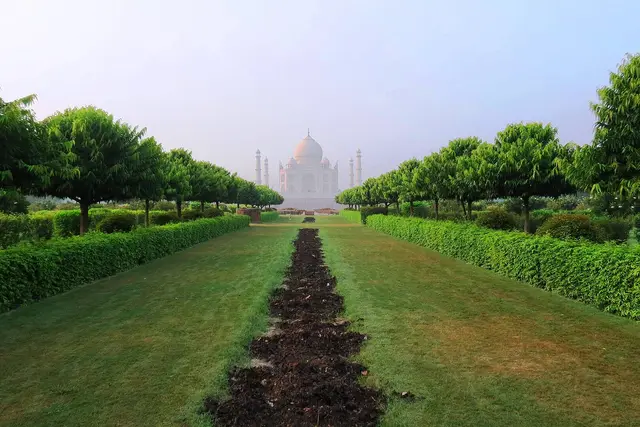
Mehtab Bagh is a riverside Mughal garden on the Yamuna's opposite bank from the Taj Mahal in Agra, open daily 6am–6pm, and it's the spot for the classic straight-on Taj view at sunrise or sunset. 4.2★ (7,246 reviews) — what visitors say, hours, and tips.
 attraction
 Taj Mahal: Agra Travel Guide (4.6★)
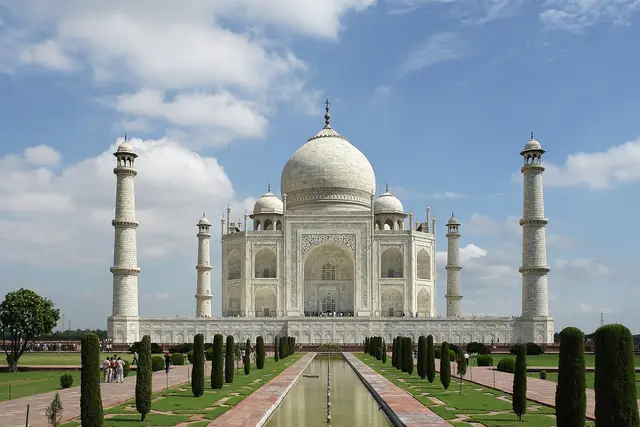
The Taj Mahal in Agra sits in the Tajganj neighborhood, on the Yamuna River's south bank. 4.6★ (251,281 reviews) — what visitors say, hours, and tips.
 attraction
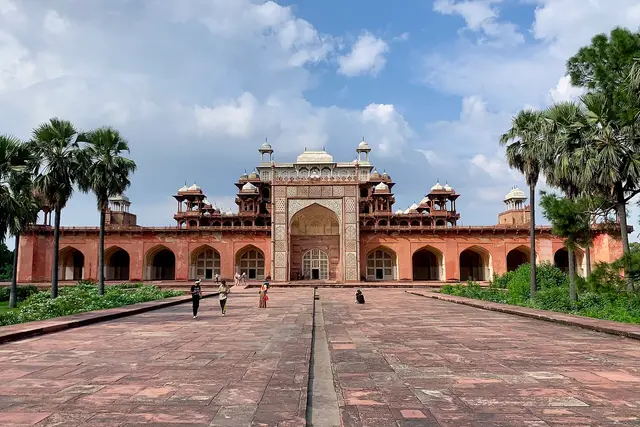
 Tomb of Akbar: Agra Travel Guide (4.4★)
The Tomb of Akbar sits in Sikandra, on the northwestern edge of Agra, about 10-13 km from the Taj Mahal and Agra Fort. 4.4★ (6,341 reviews) — what visitors say, hours, and tips.
Hidden gems
 hidden gem
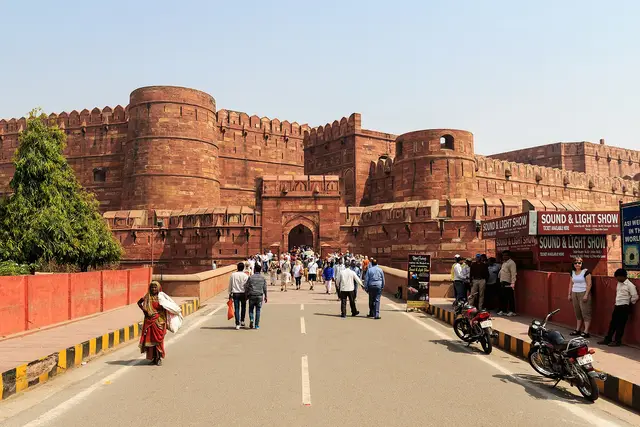
 Agra Fort: Travel Guide
Agra Fort is the red-sandstone Mughal citadel on the Yamuna River, about 2.5km from the Taj Mahal — plan 2 to 2.5 hours, go right at opening to beat both heat and tour-bus crowds, and enter through the Amar Singh Gate (the only public entrance).
 hidden gem
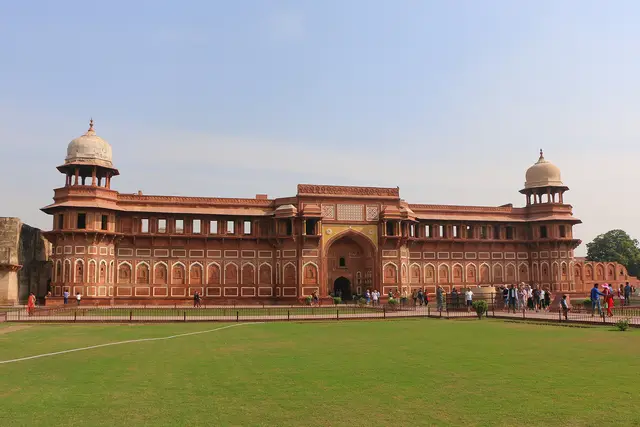
 Jahangir Palace: Agra Travel Guide (4.5★)
Jahangir Palace (Jahangiri Mahal) is the large red sandstone residence inside Agra Fort, in the Rakabganj area of Agra, and it is reached with your Agra Fort ticket through the Amar Singh Gate. 4.5★ (453 reviews) — what visitors say, hours, and tips.
 hidden gem
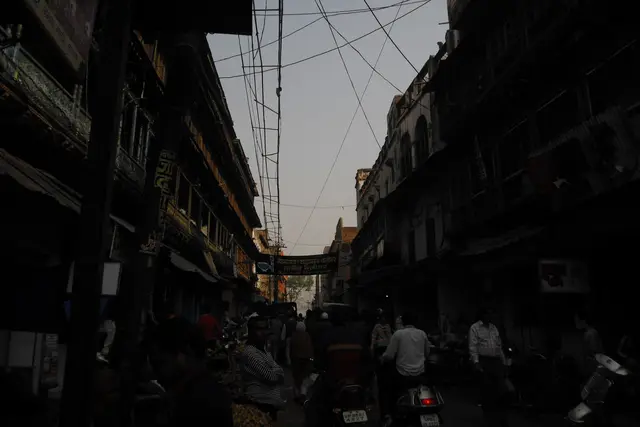
 AGRA BAZAAR: Travel Guide
AGRA BAZAAR is a small market listing at 8/63 Sewala Jat, Dhawlikar, in Rakabganj, Agra, open 10am to 8:30pm every day except Saturday, when it is closed.
Top-rated things to do in Agra
Booking links are affiliate links — booking through them supports our free guides at no extra cost to you.
Where to stay in Agra
Compare Agra hotels and stays at the lowest price — deals, ratings, and real traveler reviews.
Search hotels in Agra →Booking links are affiliate links — booking through them supports our free guides at no extra cost to you.
Plan your trip to Agra
India eSIM & staying connected →
Some links above are affiliate links — if you book through them, Wander Atlas earns a small commission at no extra cost to you. It's how we keep every guide free.
When to visit India: month-by-month weather, crowds and holidays →
Frequently asked questions about Agra
How do I get to Agra?
Agra has its own domestic airport, Agra Airport (AGR/Kheria), though most travellers instead arrive by train into Agra Cantt (AGC), the city's main railway station on the Delhi–Chennai line, with frequent services from Delhi taking roughly ~2-5 hours depending on the train. Road transport from Delhi via the expressway is also common for those visiting on a day trip.
What is Agra known for?
Agra is defined by the Taj Mahal, the marble mausoleum that draws visitors from around the world, but its skyline of red sandstone forts and tombs reflects centuries as a seat of Mughal power. Beyond the icon, the city's medieval lanes, bazaars, and nearby Fatehpur Sikri make it one of India's densest concentrations of Mughal-era architecture.