Hong Kong · Region
Sai Kung
Known as Hong Kong's "back garden," Sai Kung is a former fishing town turned gateway to the region's wildest coastline — a working seafood harbour backed by the volcanic sea cliffs, hexagonal rock columns and outlying islands of the Hong Kong UNESCO Global Geopark. It's where locals go to eat live seafood pulled straight from pier-side tanks, then hike or boat out into some of the least developed country parks left in the territory.
Day Trips from Sai Kung (Sha Tin · Mong Kok · North Point)
Top attractions
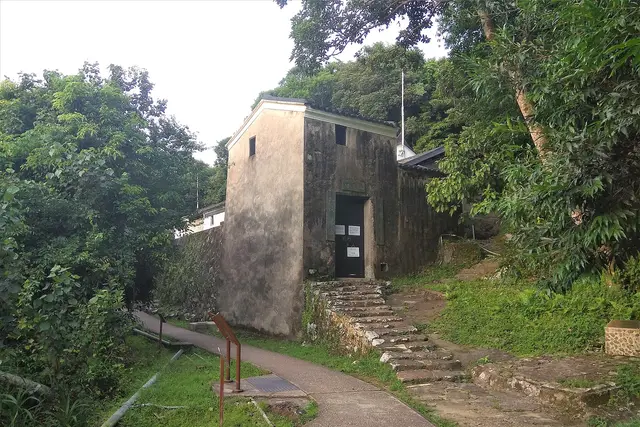 attraction
 Sheung Yiu Folk Museum: Sai Kung Travel Guide (4.0★)
Sheung Yiu Folk Museum sits in Sai Kung Country Park in the New Territories, near Pak Tam Chung. 4.0★ (659 reviews) — what visitors say, hours, and tips.
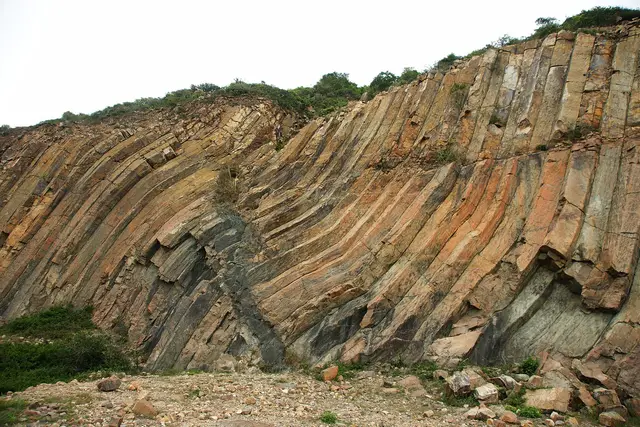 attraction
 Sai Kung East Country Park: Travel Guide (4.5★)
Sai Kung East Country Park is a mountainous swath of the New Territories east of Sai Kung town, covering the High Island Reservoir, the hexagonal volcanic columns of the Sai Kung Volcanic Rock Region, and beaches like Long Ke and Tai Long Wan. 4.5★ (2,192 reviews) — what visitors say, hours, and tips.
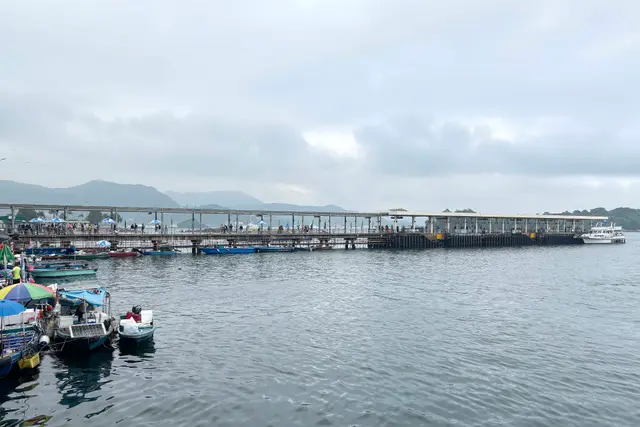 attraction
 Sai Kung Public Pier: Travel Guide (4.1★)
Sai Kung Public Pier is the waterfront hub of Sai Kung town, where sampan and speedboat operators shuttle visitors to outlying islands and beaches, and tanks of live seafood line the promenade. 4.1★ (9,368 reviews) — what visitors say, hours, and tips.
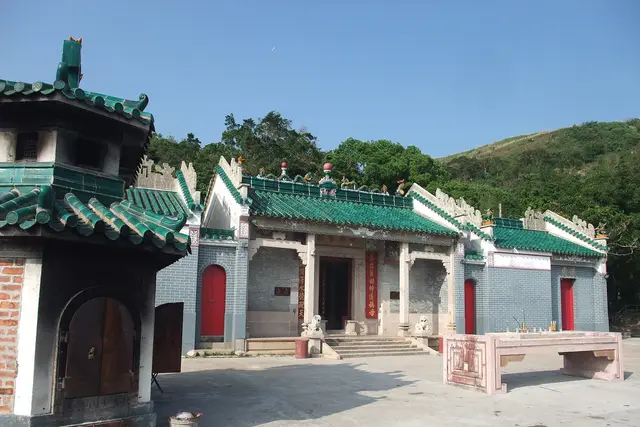 attraction
 Tin Hau Temple, Joss House Bay: Sai Kung Travel Guide (4.2★)
Tin Hau Temple, Joss House Bay, sits above Clear Water Bay in the Sai Kung district and opens daily 8am–5pm. 4.2★ (173 reviews) — what visitors say, hours, and tips.
Hidden gems
 hidden gem
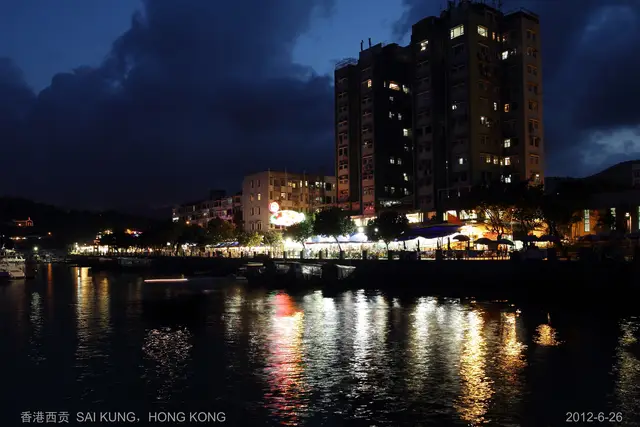
 Sai Kung Seafood Street: Travel Guide (4.0★)
Sai Kung Seafood Street runs along Market St in Sai Kung town, New Territories: you choose live seafood from the tanks out front and the restaurant cooks it for you. 4.0★ (2,444 reviews) — what visitors say, hours, and tips.
 hidden gem
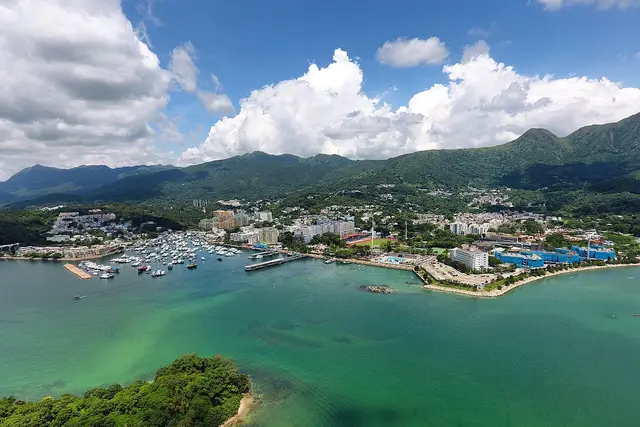
 Sai Kung Town: Travel Guide (4.3★)
Sai Kung Town is a former fishing village on Hong Kong's east coast, now a promenade of seafood restaurants, sampan piers and gateway trails into Sai Kung Country Park. 4.3★ (115 reviews) — what visitors say, hours, and tips.
Top-rated things to do in Sai Kung
Live prices from Klook. Booking through these links supports our free guides at no extra cost to you.
Where to stay in Sai Kung
Compare Sai Kung hotels and stays at the lowest price — deals, ratings, and real traveler reviews.
Search hotels in Sai Kung →Booking links are affiliate links — booking through them supports our free guides at no extra cost to you.
Plan your trip to Sai Kung
Some links above are affiliate links — if you book through them, Wander Atlas earns a small commission at no extra cost to you. It's how we keep every guide free.
When to visit Hong Kong: month-by-month weather, crowds and holidays →
Frequently asked questions about Sai Kung
How do I get to Sai Kung?
Sai Kung has no MTR station of its own, so the standard route is the MTR to Choi Hung, then a green minibus (route 1A) or bus (route 92, also reachable from Diamond Hill) on to Sai Kung's waterfront bus terminus, a journey of roughly ~20-40 minutes depending on the connection; taxis from urban Kowloon take ~30-40 minutes.
How many days should I spend in Sai Kung?
Plan on ~1 day for the seafood promenade, old town lanes and a short island boat trip, or ~2 days if you want to add a proper hike or geopark boat tour into the mix.
What is Sai Kung known for?
Known as Hong Kong's "back garden," Sai Kung is a former fishing town turned gateway to the region's wildest coastline — a working seafood harbour backed by the volcanic sea cliffs, hexagonal rock columns and outlying islands of the Hong Kong UNESCO Global Geopark. It's where locals go to eat live seafood pulled straight from pier-side tanks, then hike or boat out into some of the least developed country parks left in the territory.