Why Sai Kung Town is worth the trip
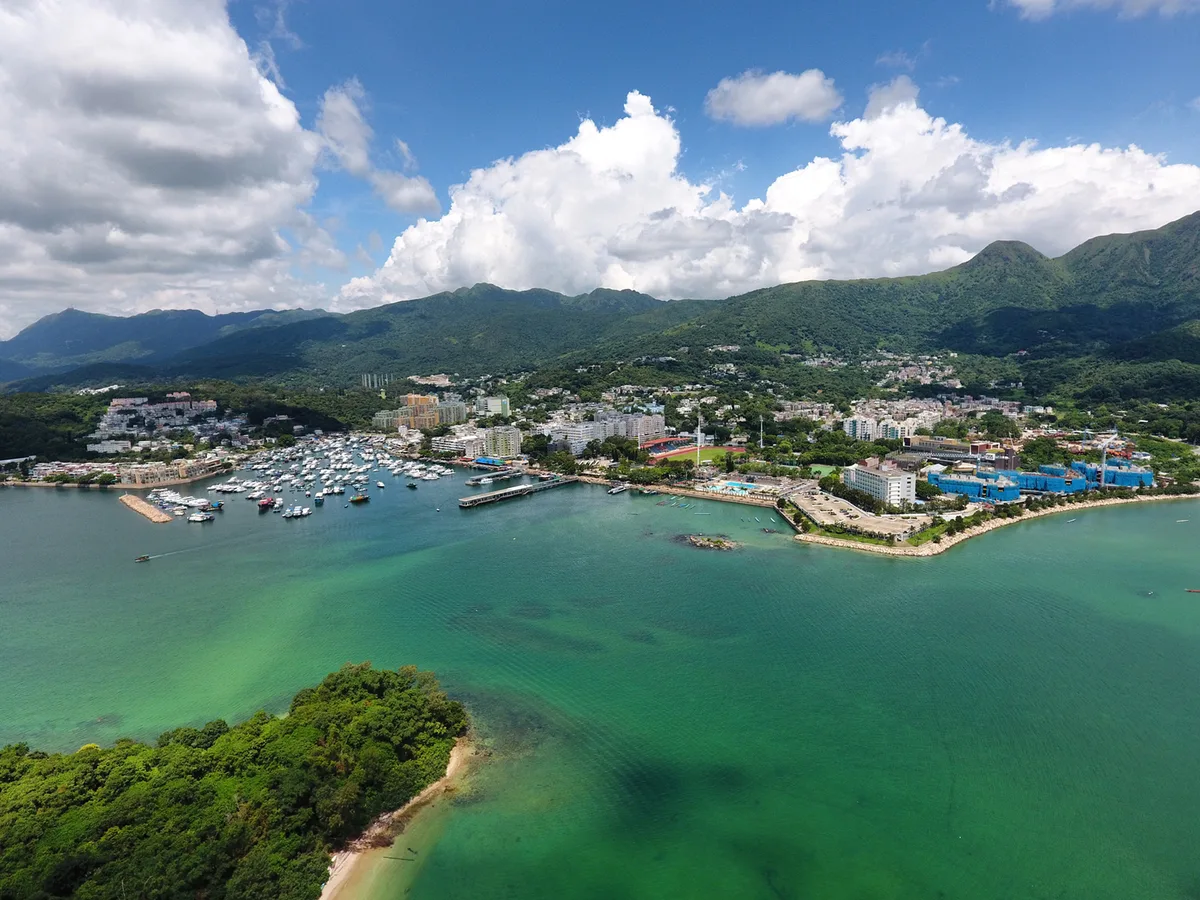
Sai Kung Town sits on the east side of the New Territories, where Hong Kong’s density suddenly gives way to open water. It was a fishing settlement long before it was a day-trip destination, and that history is still visible in the harbour.
You come here for the contrast: concrete towers behind you, sampans and fish tanks in front of you, green hills rising across the bay. It’s a working waterfront that also happens to be a launchpad for some of the territory’s best hiking and beaches.
The waterfront and the floating market
Walk along Sai Kung Praya, the promenade running beside the typhoon shelter, and you’ll spot small wooden sampans tied up beside floating platforms stacked with tanks. These are the seafood sellers, grouper, prawns, mantis shrimp, scallops still in the shell.
You point at what you want, they weigh it, and you carry it to one of the restaurants lining the promenade to have it cooked. It’s an unusually hands-on way to order dinner, and it’s the thing most visitors remember afterward.
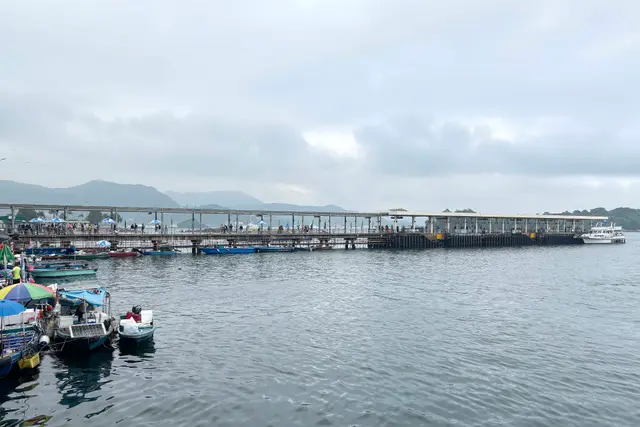
Sai Kung Public Pier, right on Chan Man Street, is the anchor point. Boats from here run out to the smaller islands and to Hap Mun Bay and Sharp Island for swimming.
Getting there
There’s no MTR station directly in Sai Kung, which is part of why it still feels separate from the rest of the city.
- From Diamond Hill or Choi Hung MTR stations, take minibus 1A or 1
- Green minibuses run frequently from Choi Hung, roughly 20–25 minutes
- By taxi from Kowloon, expect around 20–30 minutes depending on traffic
- Buses 299 and 92 also connect from Sha Tin and Diamond Hill
Once you’re in town, everything (the pier, the market, the restaurants) is walkable within about ten minutes.

What to eat and do
Beyond the seafood restaurants along the Praya, the town has a proper wet market and a strip of noodle shops and bakeries a block back from the water.
- Order steamed grouper or salt-and-pepper squid at a Praya-front restaurant
- Try typhoon-shelter-style crab if it’s on the menu, a Sai Kung specialty
- Pick up a fish ball snack from a market stall for something quicker
- Rent a sampan for a short harbour loop past the moored junks
For hikers, Sai Kung Town is the practical starting point for trails into Sai Kung Country Park and the High Island Reservoir area, both a further bus or taxi ride beyond the town centre.
When to go
Weekday late afternoons, roughly 4–6pm, are the calmest window. The lunch crowd has cleared and dinner service hasn’t ramped up yet. Weekends bring a steady flow of Hong Kong day-trippers heading to the beaches, so the promenade and minibus queues get noticeably busier from late morning onward.
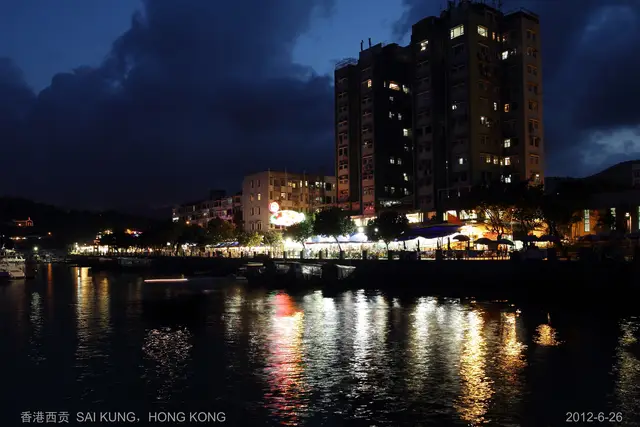
Evenings are when the seafood restaurants really come alive, tanks lit up, tables filling along the water. If you want photos of the boats without crowds in frame, mornings before 10am are quieter too, though fewer stalls are trading yet.
How to visit like a local
Order seafood by weight, not by menu price guessing. Ask the stallholder for a ballpark cost before they bag it, since pricing varies by catch and season. Most restaurants and market stalls take cash, though larger restaurants increasingly accept cards and mobile payment like Octopus or FPS.
Don’t just eat and leave. Walk past the tourist-facing Praya restaurants toward the wet market streets one block inland, where prices are gentler and the crowd is thinner. The common visitor mistake is treating Sai Kung as only a seafood stop; locals treat it as a transit hub too, hopping straight onto a minibus or sampan toward the beaches and country park trails beyond town.
If you’re heading to Hap Mun Bay or Sharp Island, buy your boat ticket from the pier kiosks rather than a street tout, and confirm the last return sailing time before you go, schedules shift with season and tide.
Frequently asked questions
How do I get to Sai Kung Town without a car?
Take green minibus 1A or 1 from Diamond Hill or Choi Hung MTR stations — it's about 20-25 minutes and drops you near the town centre and pier.
What's the quietest time to visit?
Weekday late afternoons, around 4-6pm, are calmest. Weekends from late morning onward get busy with day-trippers heading to the beaches.
How long should I spend in Sai Kung Town?
Budget 2-3 hours for the waterfront, market and a seafood meal, or a half day if you're combining it with a sampan ride or a hike into Sai Kung Country Park.
Is Sai Kung Town good for a day trip with kids?
Yes — the pier, sampans and seafood tanks are visually engaging for kids, and short boat rides to nearby beaches like Hap Mun Bay are an easy add-on.
Do I need cash?
Cash is still preferred at market stalls and smaller sampan sellers, though most sit-down restaurants now accept cards or mobile payment.
Plan your trip to Sai Kung
Some links above are affiliate links — if you book through them, Wander Atlas earns a small commission at no extra cost to you. It's how we keep every guide free.
Related guides

This spot is Day 3 of our Hong Kong 3-day itinerary
This spot is Day 4 of our Hong Kong 5-day itinerary