Spain · Region
Segovia
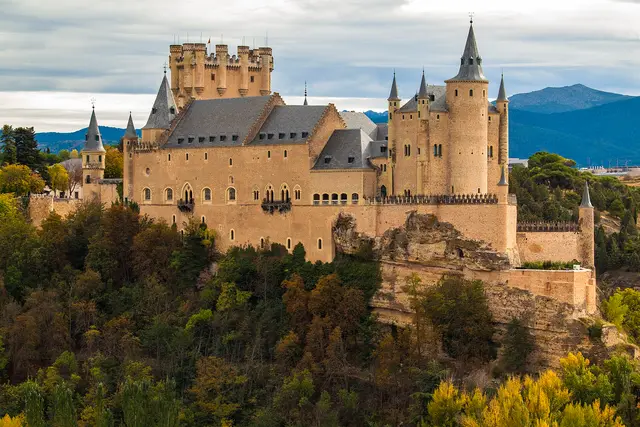
Segovia is a UNESCO-listed city on Castile's high plateau, famous for its towering Roman aqueduct, the turreted Alcázar castle perched on a rocky spur, and a Gothic cathedral rising above a warren of medieval streets. Its skyline and setting have made it one of the most photographed day-trip destinations near Madrid.
Top attractions
 attraction
 Catedral de Segovia: Travel Guide (4.7★)
The Catedral de Segovia sits at the top of Segovia's old town on Plaza Mayor, its honey-colored spires visible from most approach roads into the city. 4.7★ (26,246 reviews) — what visitors say, hours, and tips.
 attraction
 Palacio Real de la Granja Garden: Segovia Travel Guide
The Palacio Real de la Granja Garden sits in Real Sitio de San Ildefonso, about 11km southeast of Segovia city, open daily 10am–8pm. 4.6★ (1,883 reviews) — what visitors say, hours, and tips.
 attraction
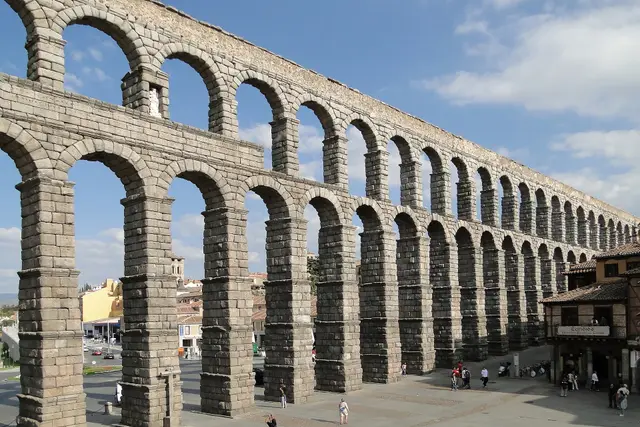
 Segovia Aqueduct: Travel Guide (4.9★)
The Segovia Aqueduct stands right in Plaza del Azoguejo, the natural heart of town, and it's free and open around the clock. 4.9★ (119,047 reviews) — what visitors say, hours, and tips.
Top-rated things to do in Segovia
Live prices from Klook. Booking through these links supports our free guides at no extra cost to you.
Where to stay in Segovia
Compare Segovia hotels and stays at the lowest price — deals, ratings, and real traveler reviews.
Search hotels in Segovia →Booking links are affiliate links — booking through them supports our free guides at no extra cost to you.
Plan your trip to Segovia
Some links above are affiliate links — if you book through them, Wander Atlas earns a small commission at no extra cost to you. It's how we keep every guide free.
When to visit Spain: month-by-month weather, crowds and holidays →
Frequently asked questions about Segovia
How do I get to Segovia?
The nearest airport is Madrid–Barajas (MAD); most travelers reach Segovia by taking the AVE high-speed train from Madrid's Chamartín station to Segovia-Guiomar, a journey of roughly ~30 minutes, with the station located a few kilometres outside town and linked by local bus or taxi. A direct coach service from Madrid's main bus terminal is also a reliable alternative for reaching the historic centre.
How many days should I spend in Segovia?
A single day is enough to cover Segovia's headline sights like the aqueduct, cathedral, and Alcázar, while ~2 days allows time to explore the old town at a slower pace and venture out to nearby royal sites.
What is Segovia known for?
Segovia is a UNESCO-listed city on Castile's high plateau, famous for its towering Roman aqueduct, the turreted Alcázar castle perched on a rocky spur, and a Gothic cathedral rising above a warren of medieval streets. Its skyline and setting have made it one of the most photographed day-trip destinations near Madrid.