Indonesia · Region
Surabaya
Surabaya, Indonesia's second-largest city, blends a gritty port-city energy with pockets of Dutch colonial architecture, a historic Arab quarter, and Chinatown clustered along the Kalimas River. As the capital of East Java, it's less polished than Bali or Jakarta but rich in 20th-century independence history, serving today mainly as a gateway to Mount Bromo and the region's volcanoes.
Day Trips from Surabaya (Malang · Mount Bromo)
Top attractions
 attraction
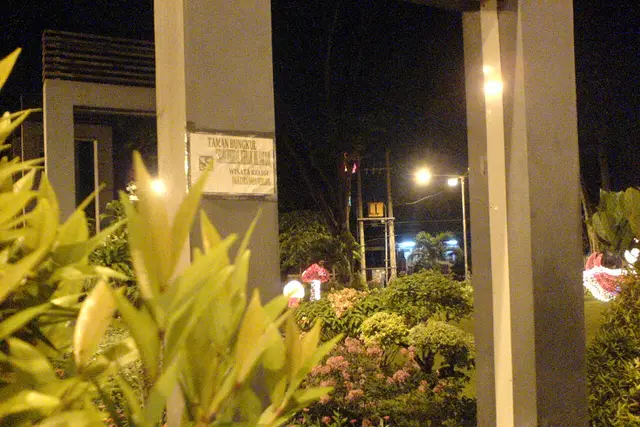
Bungkul Park: Surabaya Travel Guide (4.6★)
Taman Bungkul (Bungkul Park) sits on Jalan Raya Darmo in the Wonokromo district of Surabaya, and it's one of the city's busiest green spaces, so aim for early morning on a weekday if you want breathing room. 4.6★ (58,557 reviews) — what visitors say, hours, and tips.
 attraction
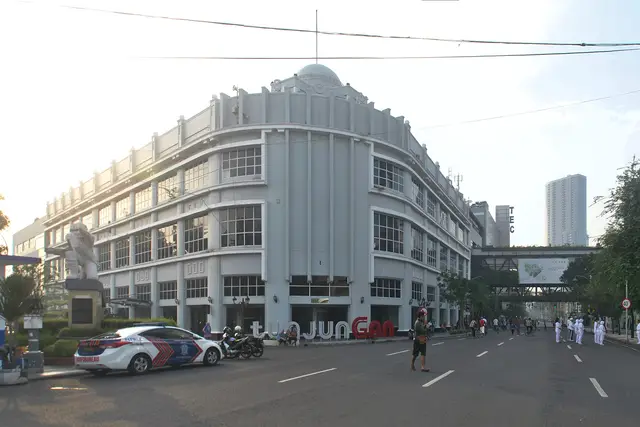
Siola Surabaya Museum: Travel Guide (4.6★)
Siola Surabaya Museum sits right on Jl. Tunjungan in the Genteng district of downtown Surabaya, inside a restored 1877 Dutch-era department store building. 4.6★ (8,306 reviews) — what visitors say, hours, and tips.
 attraction
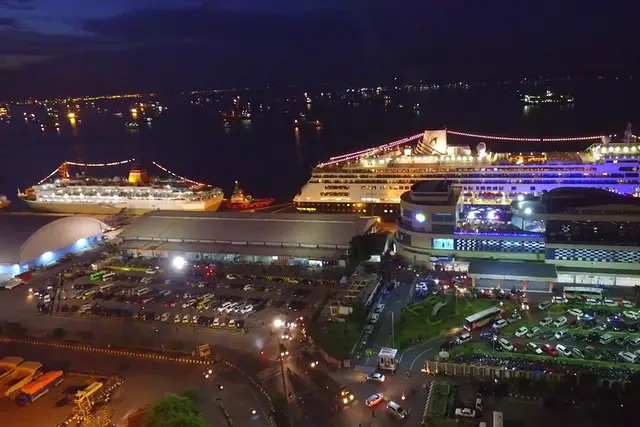
Surabaya North Quay: Travel Guide
Surabaya North Quay (SNQ) is a rooftop deck in the Tanjung Perak port area offering wide-open views of container ships, tankers and cruise liners against the Java Sea skyline.
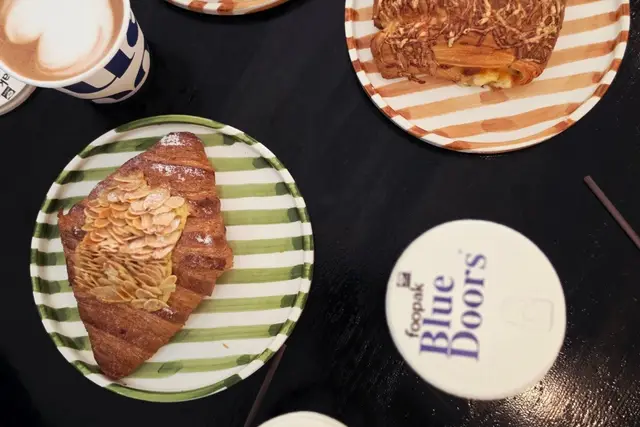
Where to eat
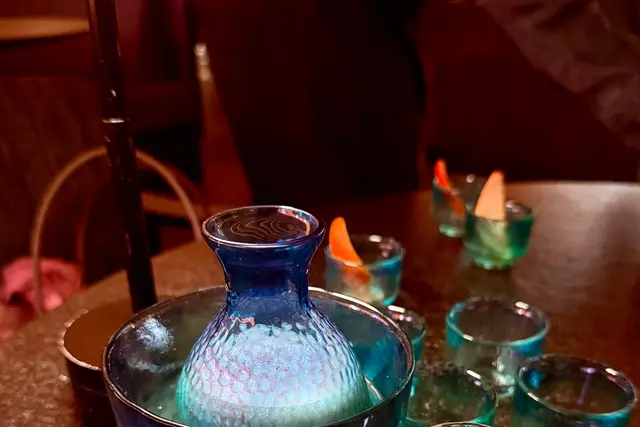 restaurant
Black Owl: Where to Eat in Surabaya
Black Owl is a highly rated modern café-restaurant on Jl. Basuki Rahmat in central Surabaya's Tegalsari district, a short taxi or ride-hail trip from Gubeng or Pasar Turi train stations.
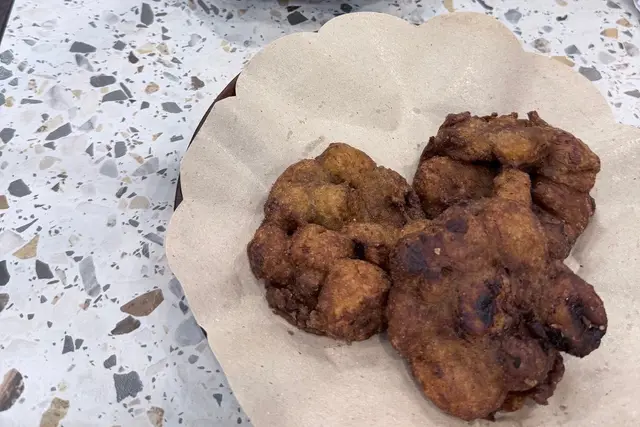 restaurant
Depot Bu Rudy Dharmahusada: Where to Eat in Surabaya
Depot Bu Rudy Dharmahusada is a long-running Surabaya institution on Jl. Dharmahusada known for its sambal-forward East Javanese cooking, especially rempeyek (crispy peanut/anchovy crackers), empal, and fried chicken with sambal that regulars buy by the kilo to take home.
Hidden gems
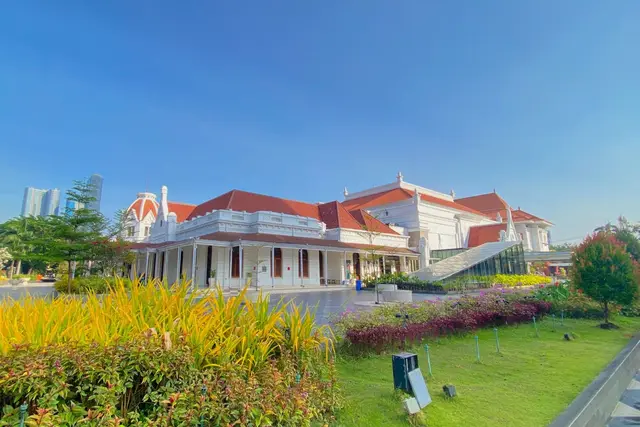 hidden gem
Alun - Alun: Surabaya Travel Guide (4.8★)
Alun - Alun Surabaya is the city's public square on Jl. Gubernur Suryo in Embong Kaliasin, Genteng, central Surabaya, set beside the colonial Balai Pemuda building and a short walk from Jalan Tunjungan. 4.8★ (12,582 reviews) — what visitors say, hours, and tips.
 hidden gem
Monumen Kapal Selam: Surabaya Travel Guide
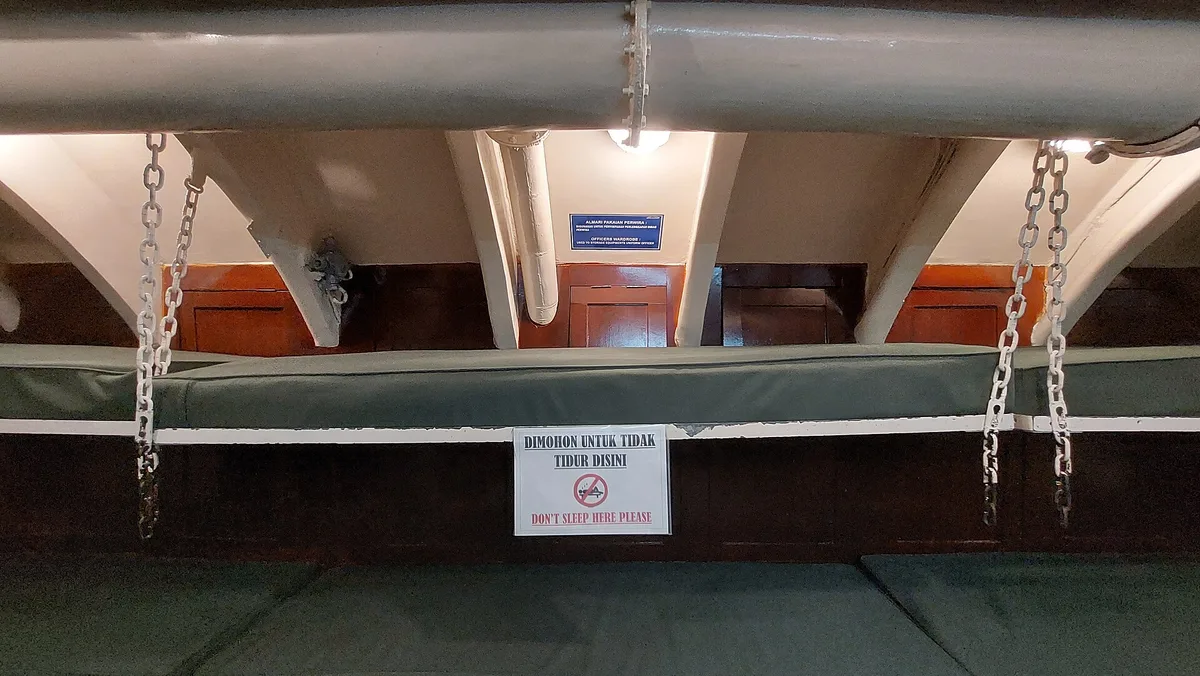
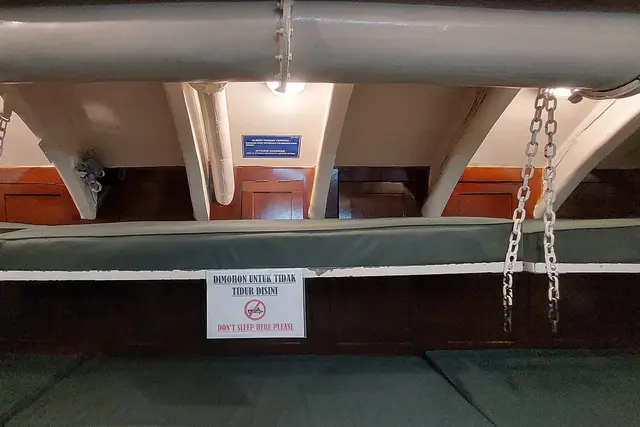
Monumen Kapal Selam (Monkasel) is a real decommissioned Russian-built submarine, KRI Pasopati 410, beached and converted into a walk-through museum on Jl. Pemuda in central Surabaya.
 hidden gem
Pasar Ampel: Surabaya Travel Guide (4.5★)
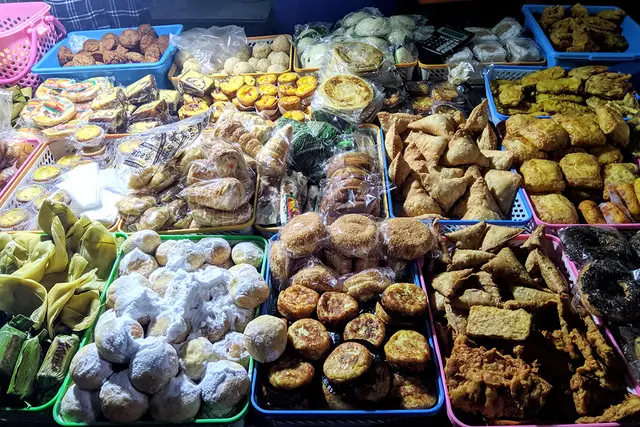
Pasar Ampel is the market alley that runs off Jalan Nyamplungan in Surabaya's Ampel district, right beside the Sunan Ampel mosque and tomb complex. 4.5★ (3,173 reviews) — what visitors say, hours, and tips.
Top-rated things to do in Surabaya
Booking links are affiliate links — booking through them supports our free guides at no extra cost to you.
Where to stay in Surabaya
Compare Surabaya hotels and stays at the lowest price — deals, ratings, and real traveler reviews.
Search hotels in Surabaya →Booking links are affiliate links — booking through them supports our free guides at no extra cost to you.
Plan your trip to Surabaya
Indonesia eSIM & staying connected →
Some links above are affiliate links — if you book through them, Wander Atlas earns a small commission at no extra cost to you. It's how we keep every guide free.
When to visit Indonesia: month-by-month weather, crowds and holidays →
Frequently asked questions about Surabaya
How do I get to Surabaya?
Most travellers arrive via Juanda International Airport (SUB), located about 12 km southeast of downtown, with taxis and DAMRI buses providing the main link into the city; overland arrivals typically use one of the city's two main rail stations, Gubeng (for southern/eastern routes) or Pasar Turi (for northern routes toward Jakarta and Semarang).
How many days should I spend in Surabaya?
Plan on ~2 days to cover Surabaya's old town, museums, and food scene, or use it as a 1-night base before continuing overland to Malang or Bromo.
What is Surabaya known for?
Surabaya, Indonesia's second-largest city, blends a gritty port-city energy with pockets of Dutch colonial architecture, a historic Arab quarter, and Chinatown clustered along the Kalimas River. As the capital of East Java, it's less polished than Bali or Jakarta but rich in 20th-century independence history, serving today mainly as a gateway to Mount Bromo and the region's volcanoes.