Badung Market: Bali Travel Guide (4.5★)
When to visit Indonesia: month-by-month weather, crowds and holidays →
✓ Facts verified via Google Places · Sep 21, 2026
At a glance
Live foot-traffic data via BestTime.app
How this guide is made
Produced with AI assistance and reviewed against live data sources. Facts such as hours, ratings, and location come from Google Places; images are licensed or public domain. Details can change — please verify before visiting. Editorial policy
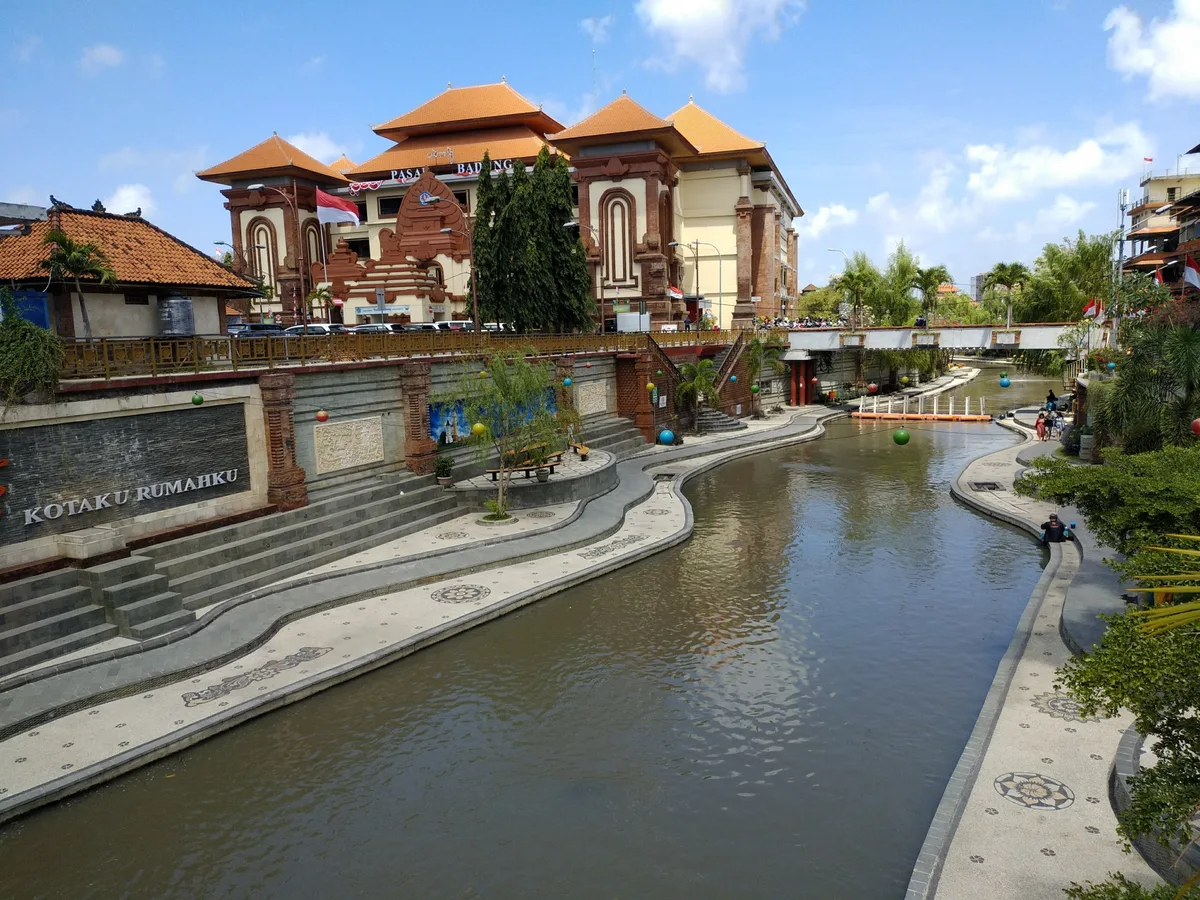
Three or four floors of concrete stalls, fluorescent light, and stacked produce crates: this is Denpasar’s main supply market, not a tourist stage set. Traders here sell to other Balinese, which shapes everything from the piled offering baskets to the sacks of rice and dried chilies.
Layout and what’s where
The ground floor runs to fresh produce: tropical fruit, vegetables, fish, and meat, with the wet-market smell and slick floors that come with it. Upper floors shift to dry goods: spices in open sacks, woven bamboo goods, sarongs, temple offerings (canang sari), and snacks like dried fish and palm sugar cakes. Clothing, souvenirs, and household goods fill out the top level. The building sits right on Jl. Sulawesi, on the bank of the Badung River in Dauh Puri Kangin, Denpasar.
When to go
Badung Market is open 24 hours, every day of the week, which is unusual even by Bali market standards. Weekend afternoons between 4pm and 11pm draw the heaviest crowds; skip that window if you dislike shoulder-to-shoulder aisles. Weekend midday, 12pm to 2pm, is the quiet stretch. Early morning (before 7am) is when the freshest produce arrives and vendors are least occupied with weekend shoppers.
Bargaining and the counter routine
Nothing here has a fixed sticker price outside a few packaged goods, so bargaining is the norm, not an insult. A few practical points:
- Ask “berapa?” (how much?) rather than pointing and paying the first number given
- Expect tourist-facing stalls to quote higher; a polite counter-offer at roughly half is standard opening ground
- Cash only, small denominations; nobody here runs a card machine
- Vendors selling fruit and snacks by weight will bag and weigh in front of you, so watch the scale
- If you’re not buying, a smile and “tidak, terima kasih” (no thanks) closes the conversation faster than lingering
Because the market is very popular and gets heavy tourist foot traffic on top of its wholesale trade, expect some stalls near the entrances to be more used to bargaining with foreigners than the upper floors, where prices run closer to what locals actually pay.
Beyond the stalls
Cross the small bridge over the Badung River and you reach Pasar Kumbasari, the sister market focused on textiles, art, and crafts, useful if Badung Market’s produce floors aren’t what you came for. The Satria bird and animal market and Denpasar’s old town core are also within easy walking distance, so this corner works well as a half-day loop rather than a single stop. Wear shoes you don’t mind getting wet on the ground floor, and keep bags close in the narrower aisles.
Frequently asked questions
What are Badung Market's opening hours?
It runs 24 hours a day, every day of the week, though the produce and dry-goods stalls are most active from early morning through early evening.
When is Badung Market least crowded?
On weekends, the quiet window is 12pm to 2pm. Avoid weekend afternoons and evenings from 4pm to 11pm, when it's busiest.
How long should I plan to spend there?
Most visitors need 45 minutes to an hour to cover the main floors; longer if you plan to bargain for souvenirs or textiles.
Is bargaining expected at Badung Market?
Yes, prices aren't fixed outside packaged goods. Politely counter-offering is normal, and cash is the only payment method most vendors accept.
What else is nearby?
Pasar Kumbasari (textiles and crafts) sits just across the Badung River, and the Satria bird market and Denpasar's old town are within walking distance.
Plan your trip to Bali
Some links above are affiliate links — if you book through them, Wander Atlas earns a small commission at no extra cost to you. It's how we keep every guide free.
Related guides

This spot is Day 2 of our Bali 3-day itinerary