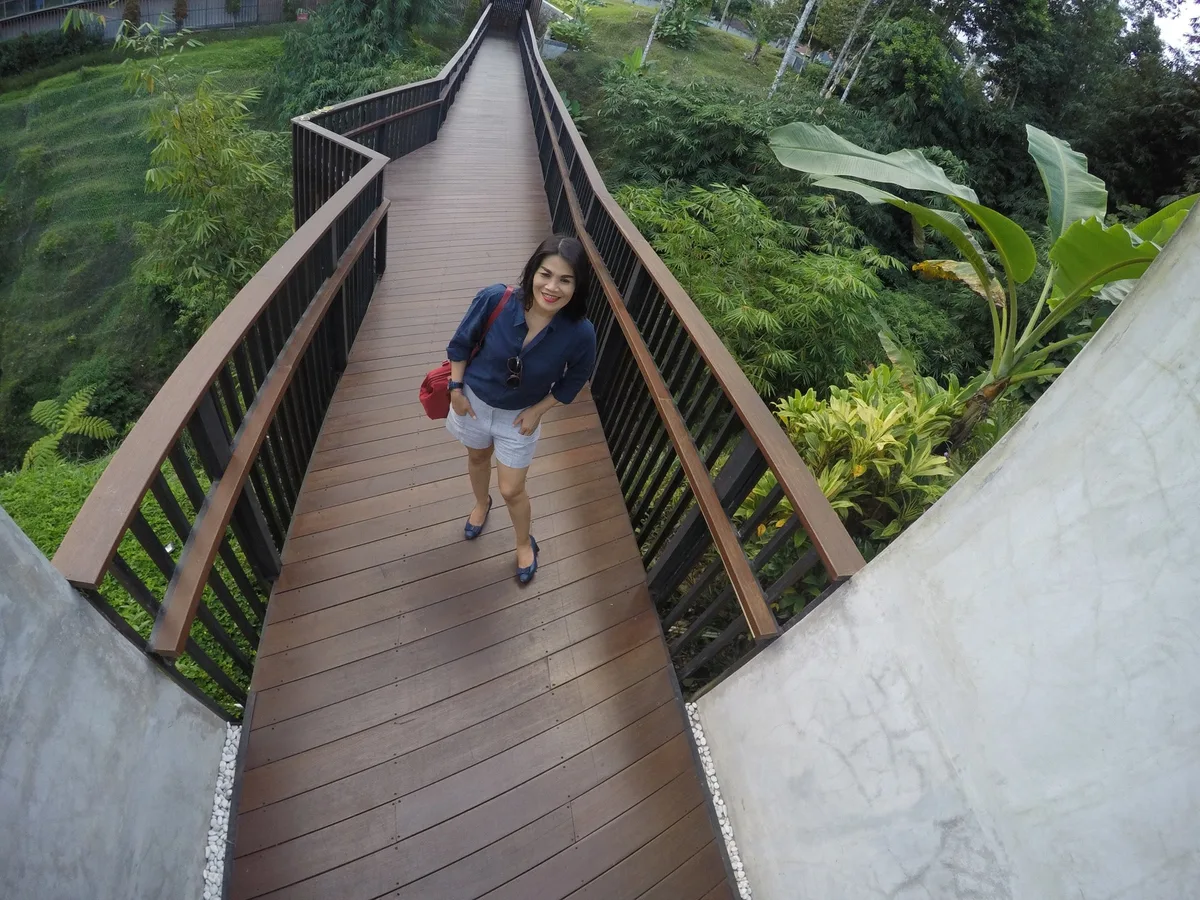
Why go
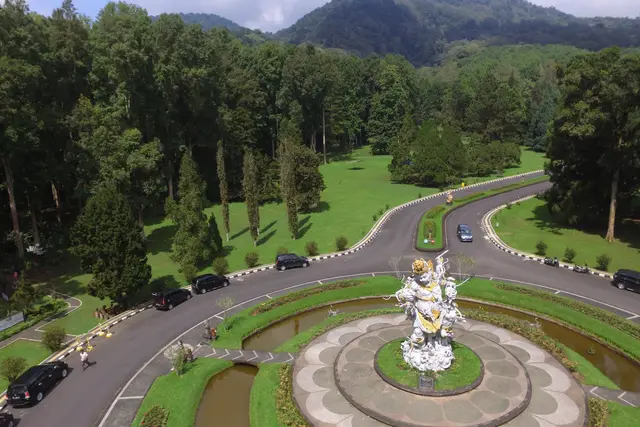
Secret Garden Village sits in the cool highlands of Baturiti, Tabanan regency, on the main Denpasar–Bedugul road (Jl. Raya Denpasar Bedugul, Km 36). It’s built as an educational attraction covering Indonesian and Balinese history and culture, laid out across landscaped gardens with craft stations, cultural displays, food outlets, and shops. The name suggests a hidden find, but this is a firmly mainstream stop on the Bedugul circuit, with a 4.6 rating from more than 5,500 reviews, it draws steady tour traffic, especially from groups heading to or from Bedugul and Ulun Danu Beratan Temple.
Come for the mountain air (Baturiti sits at higher elevation than the coast, so temperatures are noticeably cooler than Kuta or Seminyak) and for a curated, easy-to-digest introduction to Balinese heritage without needing a guide.
Getting there
The village is on the km 36 marker of the Denpasar–Bedugul highway, making it a natural waypoint rather than a detour. From south Bali (Seminyak, Canggu, Denpasar) it’s roughly 90 minutes to 2 hours by car or scooter, climbing steadily through Mengwi and past rice terraces as the road gains altitude. From Ubud, expect closer to 45–60 minutes heading north through Payangan or via Bedugul Road.
There’s no direct public bus service that makes sense for tourists; nearly all visitors arrive by private car, hired driver, or as part of an organized day-tour package that bundles this stop with Ulun Danu Beratan Temple, the Bali Botanic Garden in Bedugul, and sometimes Jatiluwih’s rice terraces further west. Because it sits directly on the highway, it’s easy for a driver to simply pull in on the way north or south, no long access road to navigate.
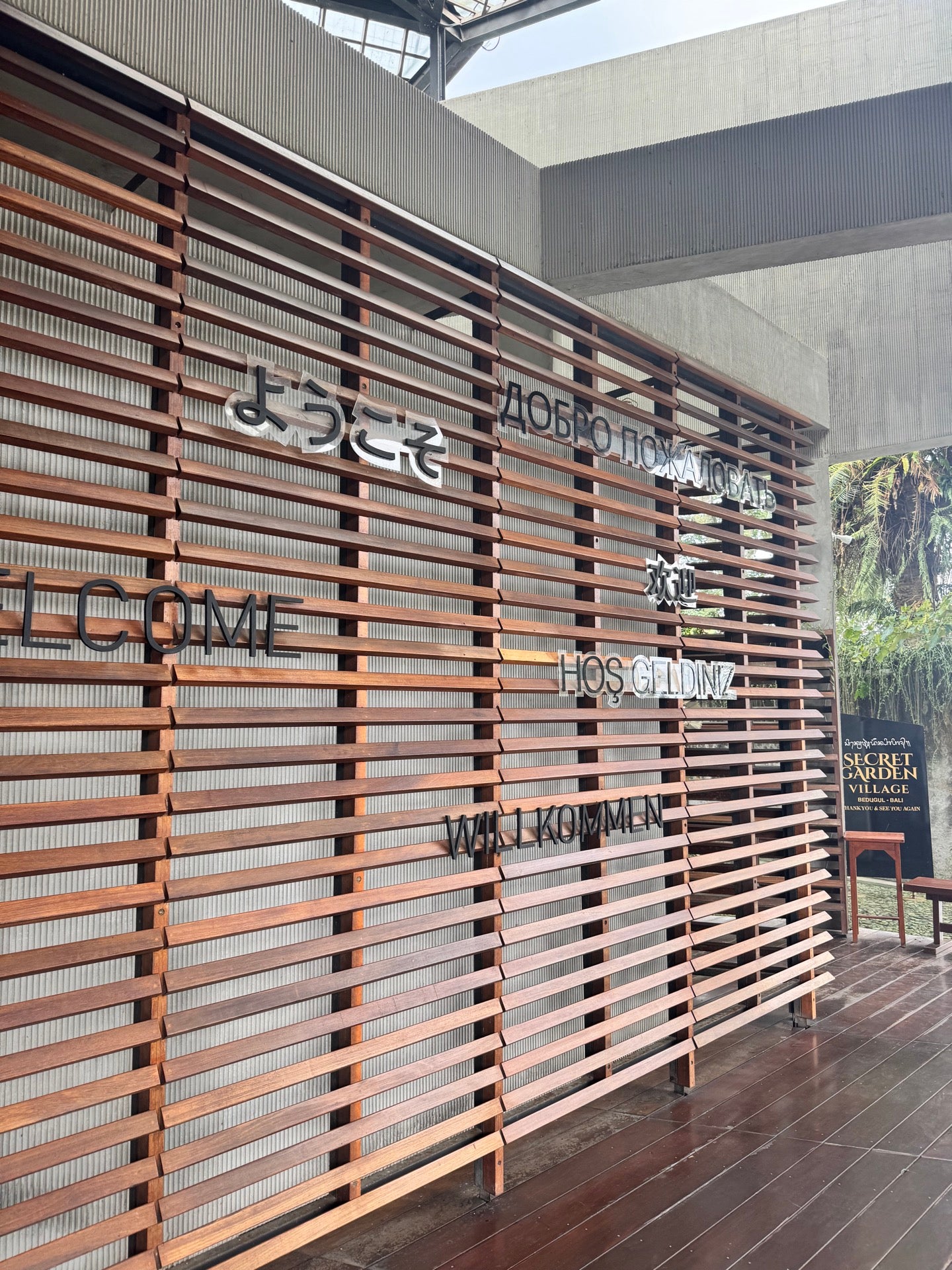
What to see and do
Expect a mix of cultural exhibits explaining Balinese customs, ceremonies, and historical artifacts, alongside hands-on or demonstration-style craft areas (batik, weaving, or traditional food-making are typical of this style of cultural park). The gardens themselves are landscaped for photography, with tropical plantings and small structures echoing traditional Balinese architecture. On-site food stalls and a shop selling crafts and souvenirs round out the visit, so you can eat and buy gifts without leaving.
Budget 2 to 3 hours to walk the grounds, read the displays, and stop for a snack. It’s not a rushed 20-minute photo op, but it’s also not a full-day destination on its own.
When to go
Baturiti’s elevation means mornings and late afternoons are pleasantly cool, and mist is common early on, which photographs well but can mean damp paths. Bring a light jacket regardless of season. Bali’s dry season (April to September) offers the clearest visibility for garden photos and easier travel on the mountain road; the wet season (October to March) brings afternoon downpours, so aim to visit before midday if traveling then.
Since this is a fixture on organized tour itineraries, mid-morning to early afternoon is when large groups arrive, particularly on days when cruise-ship shore excursions or bus tours run through the Bedugul corridor.
How to visit like a local
This is a very popular, well-trodden attraction rather than an under-the-radar find, so the smartest local-style move is timing, not secrecy. Aim for the edges of the day, since tour groups tend to cluster mid-morning through early afternoon. Weekdays are calmer than weekends and Indonesian public holidays, when domestic family groups add to the international tour traffic. Most transactions on site (entry, food stalls, and shop purchases) are straightforward with cash (Indonesian rupiah) still widely preferred for smaller vendors, though card and QR-code mobile payments (like QRIS) are increasingly accepted; carry some small rupiah notes regardless.
Dress is casual but modest is appreciated given the cultural-heritage framing, light layers work well given the cooler climate. The most common visitor mistake is treating this as a quick drive-by stop and rushing through in 15 minutes; the displays reward a slower pace, and skipping ahead to Ulun Danu Beratan or the Botanic Garden right after works better if you actually give this stop its full 2–3 hours first. Confirm current opening hours and admission pricing before setting out, since these details can shift seasonally.
Frequently asked questions
How do I get to Secret Garden Village without a car?
Public transport doesn't serve it well; almost everyone arrives by private car, hired driver, or as part of a day-tour package that also covers Bedugul and Ulun Danu Beratan Temple.
How much time should I set aside?
Plan on 2 to 3 hours to walk the gardens, take in the cultural displays, and grab food or souvenirs, rather than a quick 20-minute stop.
What's the best time of day to visit to avoid crowds?
Go right at opening or after 3pm on a weekday — mid-morning to early afternoon is when tour buses and large groups typically arrive.
Is it worth combining with other Bedugul attractions?
Yes — it sits directly on the Denpasar–Bedugul highway, about 20–30 minutes south of Ulun Danu Beratan Temple and the Bali Botanic Garden, making it easy to pair in one day trip.
What should I bring given the location?
A light jacket, since Baturiti's higher elevation is noticeably cooler and mistier than coastal Bali, plus some small rupiah notes for food stalls and shops.
Plan your trip to Bali
Indonesia eSIM & staying connected →
Some links above are affiliate links — if you book through them, Wander Atlas earns a small commission at no extra cost to you. It's how we keep every guide free.
Related guides

This spot is Day 3 of our Bali 3-day itinerary