Nine days of very small players
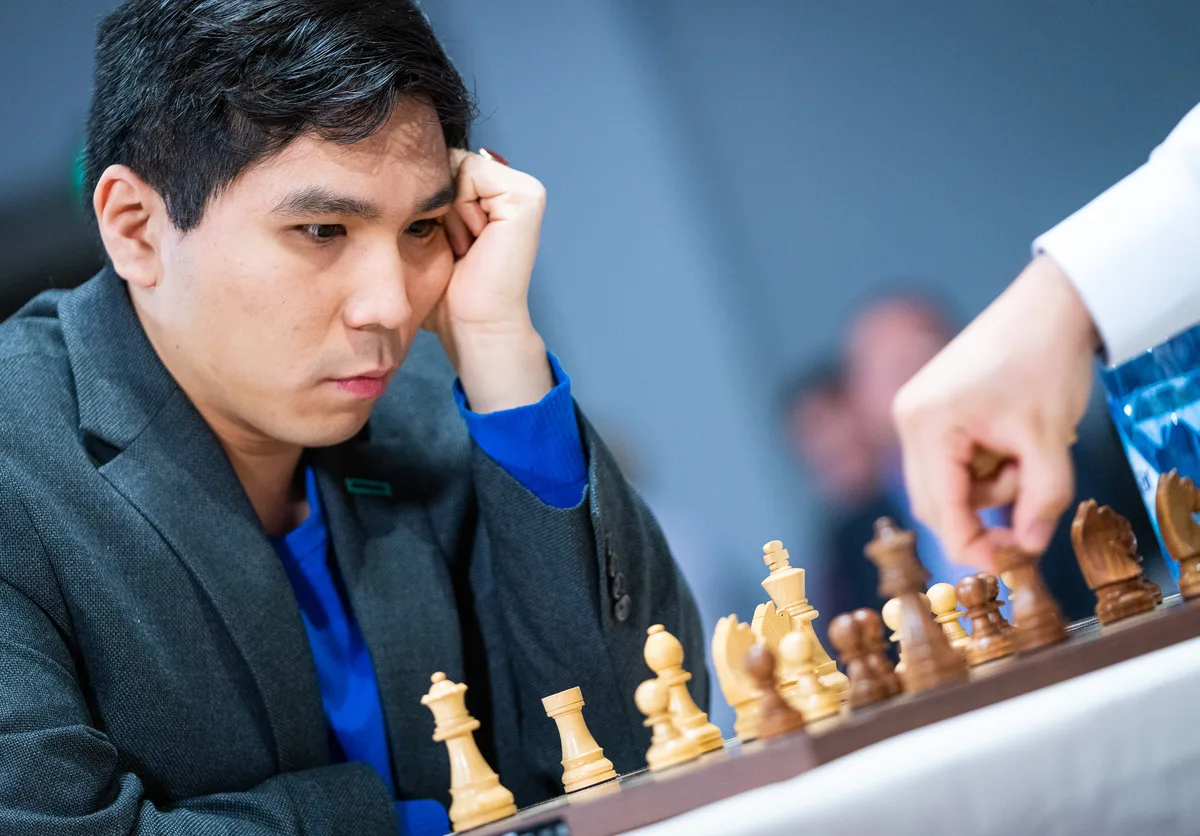
Picture rows of tables with boards and clocks. Behind each one sits a child whose feet may not reach the floor. That is the FIDE World Cadet Chess Championship 2026, held in Batumi, Georgia, from November 21 to 29, 2026.
There are three sections: Under-8, Under-10 and Under-12. The field brings together 48 of the world’s top young players, from Europe to East Asia. Some of the strongest grandmasters of today first appeared at events like this. Their games were watched by a handful of parents pressed against a rope line.
Where the boards are set up
Batumi is used to chess. The city hosted the 2018 Chess Olympiad and has staged a long run of FIDE youth and rapid events since then. Hotels, transfers and hall logistics for hundreds of travelling families are routine here.
FIDE and the local organising committee set the exact playing venue and publish the official schedule, regulations and accreditation rules. Batumi is compact, so most hotels along the seafront sit within a short taxi ride of wherever the rounds are played.
Getting to Batumi in late November
Most families fly. Batumi International Airport lies just south of the city, a short drive from the seafront. Many international visitors connect through Istanbul, or fly into Tbilisi or Kutaisi and continue overland.
- From Tbilisi: the train to Batumi Central station takes about five to six hours and is the comfortable overland option.
- From Turkey: the Sarpi border crossing sits on the coast road a few kilometres south of the city.
- Around town: taxis booked through ride-hailing apps are the usual way teams get from hotel to hall.
November on this coast is mild but often wet. Batumi is the rainiest city in Georgia, and an umbrella earns its place in every suitcase.
Watching from the rope line
Junior championship halls are quiet places. That surprises first-time chess parents.
FIDE youth events typically let parents and coaches in for the first minutes of a round only. Then the hall is cleared and players are left alone with the board. Phones and smartwatches are banned near the tables, and arbiters enforce this strictly. Families usually wait in a lobby or café area. Many follow the games on screens or through the live broadcast that major FIDE events usually provide.
A few habits make the days easier:
- Silence near the hall entrance. Doors open and close constantly, and noise carries.
- No coaching from the sidelines. Gestures or signals to a player can lead to sanctions.
- Leave electronics behind. Your child should go in with nothing but a pen, a scoresheet and a water bottle.
- Greet in Georgian. “Gamarjoba” is hello and “madloba” is thank you. Hotel and venue staff notice the effort.
Accreditation and spectator rules come from the organisers. Families usually pick up badges at the accreditation desk on arrival day.
Between rounds on the Black Sea
There is time off. Rounds usually take up part of the day, leaving free hours, and the most popular use of them is a walk along Batumi Boulevard.
That seafront promenade runs for kilometres past pebble beach, palms and cycle lanes. Kids head for these landmarks:
- Alphabet Tower, a steel helix printed with the 33 letters of the Georgian script.
- Ali and Nino, the moving steel sculpture of two figures that slide through each other every few minutes.
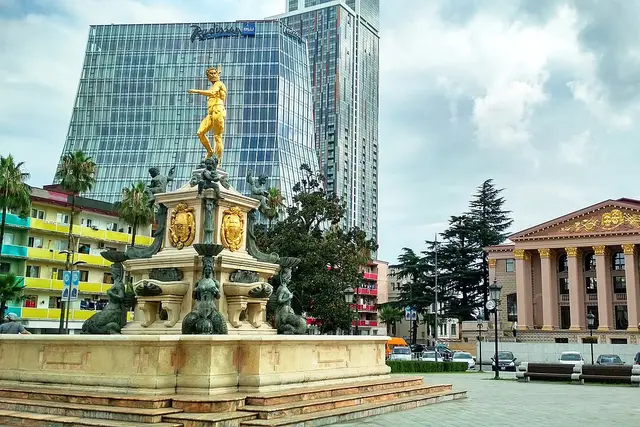
- Piazza, a tiled square in the old town lined with cafés.
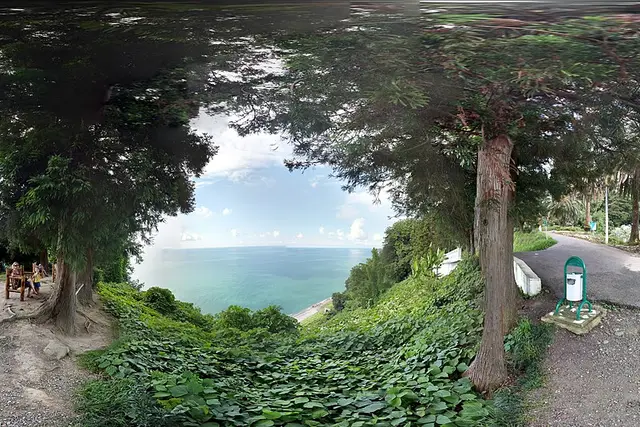
- Batumi Botanical Garden, on a hillside north of the city at Mtsvane Kontskhi, for a rest-day outing.
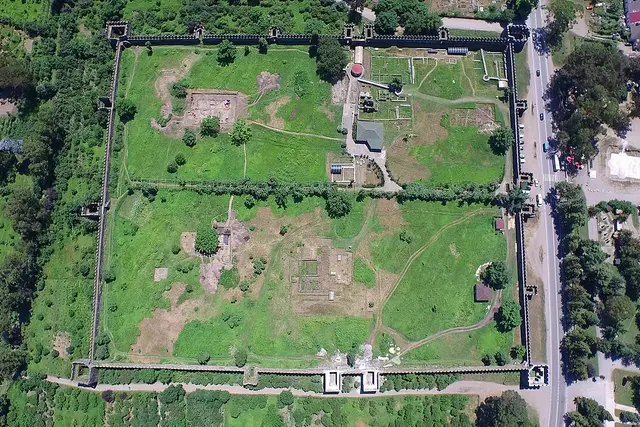
- Gonio Fortress, Roman-era walls a short drive south toward the Turkish border.
Eating like the Adjarians do
Adjara is the region Batumi sits in. It gave Georgia its most famous dish: Adjaruli khachapuri, a boat-shaped bread filled with molten cheese and topped with an egg and a slab of butter. You stir the egg and butter into the cheese, then tear off the crust to dip.
It is heavy food, and coaches tend to keep it for evenings after a round rather than lunches before one. Lighter options include grilled Black Sea fish and lobio, a bean stew served in a clay pot. Cards are widely accepted in Batumi’s restaurants. Georgian lari in cash is handy for taxis that don’t use an app and for market stalls. A service charge often appears on restaurant bills already.
Frequently asked questions
When is the FIDE World Cadet Chess Championship 2026?
It runs from November 21 to 29, 2026, in Batumi, Georgia.
Which age groups play?
There are three sections: Under-8, Under-10 and Under-12. Together they bring 48 of the world's top young players, including competitors from East Asia.
Can parents watch the games?
At FIDE youth events, parents usually see only the opening minutes of each round. Then the hall is cleared and families follow the games on screens or the live broadcast. The organisers set the exact spectator rules.
How do I get to Batumi?
Batumi International Airport is just south of the city. You can also take the train from Tbilisi to Batumi Central station, about five to six hours, or come in from Turkey through the Sarpi border crossing.
What is there to do on rest days?
Families usually walk Batumi Boulevard to see Alphabet Tower and the Ali and Nino sculpture, visit the old-town Piazza, or take a trip to Batumi Botanical Garden or Gonio Fortress.
Plan your trip to Batumi
Georgia eSIM & staying connected →
Some links above are affiliate links — if you book through them, Wander Atlas earns a small commission at no extra cost to you. It's how we keep every guide free.