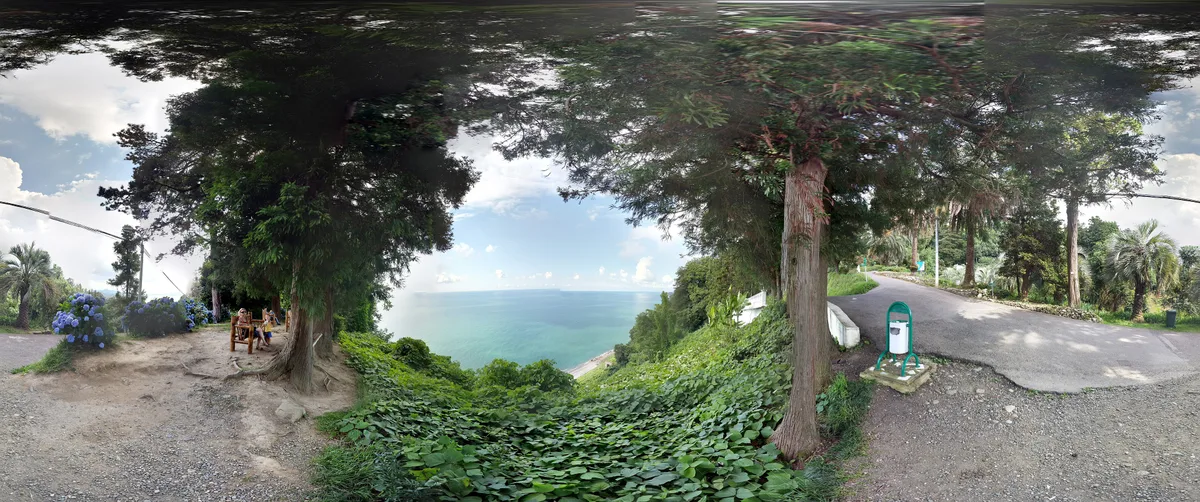
A garden built on a cliff
Most botanical gardens are flat. This one isn’t. Paths switch back and forth across a hill that rises steeply above the Black Sea. Bamboo and eucalyptus close in overhead, and then a gap in the trees shows you the coastline below.
The botanist Andrey Krasnov founded the garden in 1912 on Green Cape, known locally as Mtsvane Kontskhi. The humid subtropical climate here suits plants from all over the world. It is one of the largest gardens of its kind in the former Soviet Union and one of the most-reviewed sights in Adjara.
The world, one slope at a time
The garden is organised by geography. Krasnov’s idea was to gather plants from climates like this one into separate sections. Walking between them means crossing continents in a few hundred metres.
Look out for these zones:
- East Asian: Japanese and Chinese plantings, camellias, maples and dense bamboo groves
- Himalayan: rhododendrons and conifers on the cooler, shaded paths
- Australian and New Zealand: tall eucalyptus with peeling bark, plus tree ferns
- Mediterranean: olives, cypresses and the dry-scrub plants you’d expect on a Greek hillside
- North and South American: magnolias, tulip trees and agaves
- Transcaucasian: the native humid-forest flora of western Georgia itself
Signs at junctions mark the sections. A paper or phone map from the entrance stops you looping back on yourself.
Reaching Green Cape
The garden is just off the coast road north of Batumi, toward Chakvi and Kobuleti. Taxis and ride-hailing apps such as Bolt get you there quickly from the boulevard. Ask for the upper or main entrance if you want to walk downhill.
City buses and marshrutka minibuses also run along this road from central Batumi. Route numbers change, so ask at your hotel or check a local transit app. The Mtsvane Kontskhi railway halt is at the foot of the cape, below the lower entrance, which suits travellers coming down the coast by train.
Pacing the hills
How you tackle the slope matters more than anything else here.
- Walk downhill. Start at the top entrance and finish by the sea. Doing it the other way means a long climb in humid air.
- Use the electric carts if the gradient worries you. They carry visitors along the main routes. The current fare is posted at the entrance.
- Pay attention to the tickets. Entry and cart rides are paid at the gate. Prices are posted there and on the official site, and card payment is common in Batumi now. Carry some lari as a backup.
- Stay on the marked paths. Staff take plant protection seriously, and picking flowers or cuttings is not tolerated.
- Bring water and wear shoes with grip. Some paths are steep, and after rain the stone steps get slippery under the trees.
Guided tours of the collections are available and worth booking if you care about the botany. Ask at the entrance about English-language options.
When the garden is at its best
Spring is the headline season. From March into May the magnolias, camellias and rhododendrons flower in turn. Autumn brings colour to the maples and the light gets softer over the sea.
Summer is lush but hot and humid. It also coincides with peak beach season, when Batumi fills with visitors. The garden is very popular, so arriving right at the 9am opening usually gets you ahead of the tour groups and the midday heat.
At the moment it opens 9am to 8pm every day. Gardens like this shift their hours through the year, though, so check the official site for the current month before you plan a late-afternoon visit.
After the last path
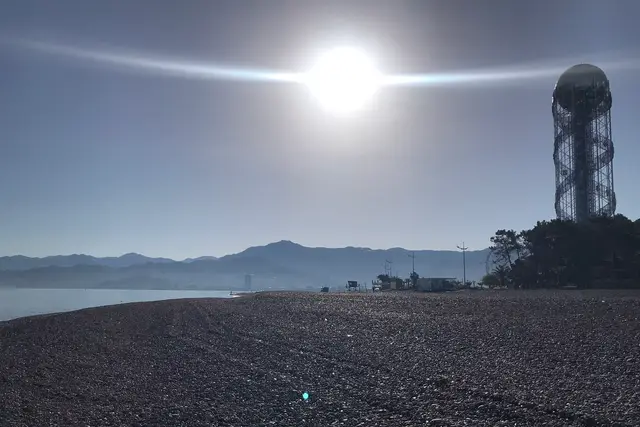
The lower paths lead to the pebble shore at Mtsvane Kontskhi. People often swim here or just sit by the water after the descent. A few cafés line the coast road nearby.
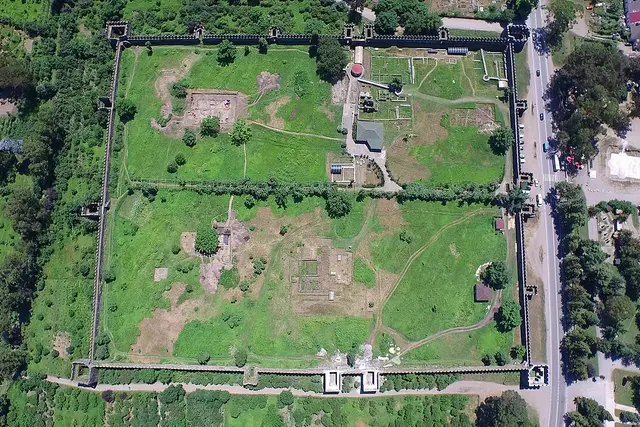
Back toward the city, Batumi Boulevard and its seafront promenade make an easy evening. Further north, the ruins of Petra Fortress at Tsikhisdziri are a short drive away and pair well with the garden on a day trip up the coast. Allow three to four hours for the garden alone, more if you stop to swim.
Frequently asked questions
How far is Batumi Botanical Garden from the city centre?
It is on Green Cape (Mtsvane Kontskhi), about 9 km north of central Batumi. A taxi or Bolt is quickest. Buses and minibuses also run along the coast road, and the Mtsvane Kontskhi railway halt is at the foot of the garden.
How long should I spend there?
Plan for three to four hours to cover the main geographic sections at an easy pace. Add more time if you want to swim at the beach below.
Is the garden hard to walk?
It is built on a steep hillside, so expect real gradients and stone steps. Enter at the top and walk down, or use the electric carts on the main routes.
What is the best time of year to visit?
Spring, from March to May, brings magnolias, camellias and rhododendrons into flower. Autumn has good colour and milder weather. Summer is hot, humid and busy.
What are the opening hours?
Right now it is listed as open 9am to 8pm every day. Hours change through the year, so check the official site for the current month before you go.
Plan your trip to Batumi
Georgia eSIM & staying connected →
Some links above are affiliate links — if you book through them, Wander Atlas earns a small commission at no extra cost to you. It's how we keep every guide free.