Four nights to close the jazz year
Jazzfest Berlin comes at the end of the jazz calendar. The 2026 edition runs from October 29 to November 1, with four days of programming run by the Berliner Festspiele, the federal arts organisation behind several of the city’s major festivals.
The organisers call it the finale of the jazz year, and the timing explains why. Summer festival season is long over and clubs are back to their regular weeks. Then for one long weekend, the city’s jazz audience turns up in one place.
Berlin is dark by late afternoon at this time of year, because the clocks go back the weekend before. So evening concerts start when the streets outside already feel like night. That suits a festival that stays indoors.
From Berliner Jazztage to Jazzfest
This is one of Europe’s oldest jazz festivals. It began in 1964 as the Berliner Jazztage, founded under the critic and producer Joachim-Ernst Berendt. It later took the name Jazzfest Berlin and became part of the Berliner Festspiele.
Through the Cold War decades, West Berlin used the festival to put American jazz next to new European improvised music. Arguments about what counts as jazz have followed it ever since. Recent editions keep that spirit with commissions, cross-genre projects and international bills, so don’t expect a parade of greatest hits.
What it means for you: read the programme notes. Plenty of the most talked-about sets come from names you may not know yet.
The Schaperstraße stage
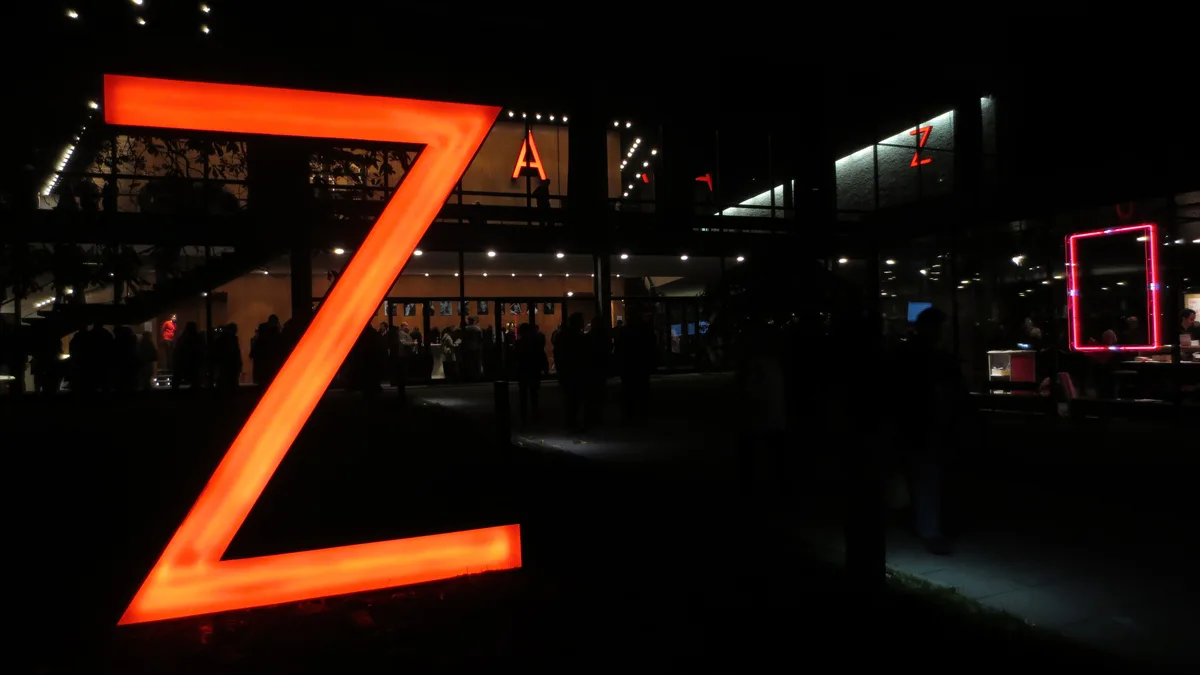
The festival has long been based at the Haus der Berliner Festspiele, Schaperstraße 24, in Wilmersdorf. Architect Fritz Bornemann designed it, and it opened in 1963 as the theatre of the Freie Volksbühne. The building is postwar modernist, low and horizontal, with a glass front onto a small garden.
Inside there’s a large raked auditorium, so sightlines are generally good from most seats, plus foyers where people gather between sets. In past years the festival has also used other rooms and partner venues around the city. Check the venue for each 2026 concert on the official site before you book anything near it.
Getting to Wilmersdorf
The Haus der Berliner Festspiele is easy to reach by public transport:
- U Spichernstraße (U3 and U9) is a short walk away. Take the Bundesallee exits and walk to Schaperstraße.
- U Hohenzollernplatz (U3) is also within walking distance.
- Kurfürstendamm and the Kaiser-Wilhelm-Gedächtniskirche are one or two stops north, which helps if you’re staying in City West.
Berlin’s BVG network covers the U-Bahn, S-Bahn, trams and buses on a single ticket system. On weekends the U-Bahn runs all night, so you can stay for a late set without worrying about the last train home. On weeknights, night buses take over after the trains stop.
Driving into this residential part of Wilmersdorf after dark isn’t worth it. Street parking is tight and the train is quicker.
Tickets, cloakrooms and festival manners
Buy tickets through the Berliner Festspiele, either on its official website or at its box office. Prices aren’t printed here. They’re listed per concert on the official site, and seated and standing formats can differ. Popular evening concerts can sell out, so book the ones you care about first and leave room for a discovery or two.
Some practical habits help on the night:
- Use the Garderobe. German concert halls expect you to check heavy coats at the cloakroom rather than bring them to your seat. In late October you’ll be wearing one.
- Arrive before the doors close. Late entry to seated concerts is often restricted until a break between pieces, so you could be stuck in the foyer.
- Keep quiet during quiet passages. Audiences here listen closely, especially during free improvisation. Applause after solos happens, but take your cue from the room.
- Carry some cash. Cards are now widely accepted in Berlin, but smaller bars and Spätis nearby may still prefer cash.
- Validate your BVG ticket. Single tickets bought as paper tickets need stamping in the machines on the platform. Inspectors do check, and the fine is not a fun festival souvenir.
Making a long weekend of it
Four days of programming means you can mix main-stage concerts with the rest of the neighbourhood. Wilmersdorf is a quiet, residential district with plenty to do on foot.
- Ludwigkirchplatz, a short walk north, is a leafy square lined with cafés and restaurants. It works well for an early dinner before a concert.
- Kurfürstendamm has the department stores and the bombed-out spire of the Kaiser-Wilhelm-Gedächtniskirche, kept as a war memorial.
- KaDeWe, the large department store on Tauentzienstraße, has a food hall on its upper floor if you need somewhere warm to spend a grey afternoon.
If the festival leaves you wanting more, Berlin’s year-round jazz clubs are close. A-Trane in Charlottenburg and Quasimodo under the Delphi cinema near Zoologischer Garten are long-running clubs in the same part of town. Check their own listings, because they run separate programmes.
Planning around late autumn
Expect cold, often damp weather from late October into early November. Light goes early in the day. Pack layers rather than one heavy jacket, since auditoriums get warm once they fill.
Neither October 31 nor November 1 is a public holiday in Berlin, so shops and transport keep their normal hours. Brandenburg, the state that surrounds the city, does observe Reformation Day on October 31. That matters if you plan a day trip to Potsdam.
Hotels around City West and Wilmersdorf put you within a short ride of the festival. Book early, because this is also a busy stretch for trade fairs and autumn city breaks.
Before you commit to dates, a venue or a particular concert, confirm timing and tickets on the official Berliner Festspiele site. It is the only reliable source for the programme.
Frequently asked questions
When is Jazzfest Berlin 2026?
The festival runs from October 29 to November 1, 2026: four days of programming organised by the Berliner Festspiele. Check exact concert times on the official Berliner Festspiele site.
Where does Jazzfest Berlin take place?
Its longtime home is the Haus der Berliner Festspiele at Schaperstraße 24 in Wilmersdorf. The festival has also used other venues around the city in the past, so check the location of each concert on the official site.
How do I get to the Haus der Berliner Festspiele?
Take the U3 or U9 to Spichernstraße and walk a few minutes to Schaperstraße. U Hohenzollernplatz (U3) is also close. On weekends the U-Bahn runs all night.
Where do I buy tickets?
Buy them through the Berliner Festspiele, either on its official website or at its box office. Current prices are listed per concert there. Popular evening shows can sell out, so book your priorities first.
What else is nearby for a festival weekend?
Ludwigkirchplatz is good for cafés and dinner, and Kurfürstendamm and the Kaiser-Wilhelm-Gedächtniskirche are a stop or two north. The jazz clubs A-Trane and Quasimodo are nearby in Charlottenburg and run their own programmes.
Plan your trip to Berlin
Some links above are affiliate links — if you book through them, Wander Atlas earns a small commission at no extra cost to you. It's how we keep every guide free.