A track meet under a roof
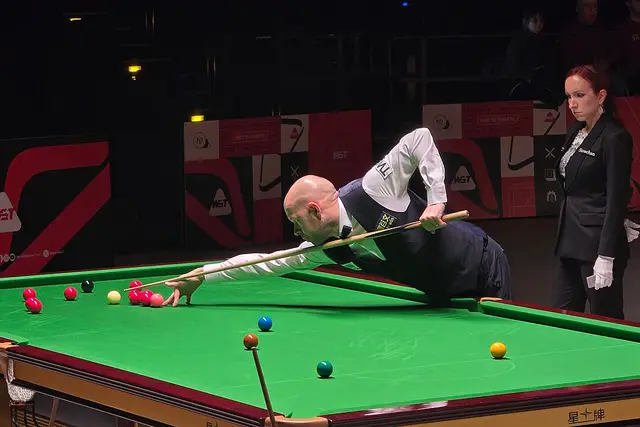
Picture a concert arena with the stage taken out. At ISTAF Indoor Berlin, a temporary athletics track goes down over the floor of the Uber Arena. The seating bowl then rises steeply on every side, so even the upper tiers look straight down on the lanes.
That closeness sets it apart from summer athletics. In a big outdoor stadium the pole vault happens a long way from most seats. Indoors, the bar, the runway and the landing mat sit right in front of the lower rows. The 2027 edition is dated February 5, 2027.
What makes the night different
ISTAF is one of the oldest names in German athletics. The outdoor meeting has run at the Olympiastadion since the 1920s, and the indoor version brings the brand into winter. People who know it mostly talk about how short it is and how loud.
Indoor programmes are built around events that fit inside a building:
- Sprints and hurdles, short dashes that are over in seconds
- Pole vault and high jump, where the crowd claps a rhythm for each attempt
- Shot put, thrown from a circle in the infield
- Middle-distance races on the tight oval, with sharp banked bends
The athletes and the full event programme for a given year come from the organiser. This guide doesn’t list them.
Finding the Uber Arena
The venue sits in Friedrichshain, on the east bank of the Spree. It opened in 2008 as the O2 World, was later called the Mercedes-Benz Arena, and now goes by the Uber Arena. Older maps and some locals may still use one of the earlier names.
Public transport is the usual way in:
- Warschauer Straße: S-Bahn lines and the U1. From here it’s about a ten-minute walk down past the old railway bridges.
- Ostbahnhof: regional and S-Bahn trains, a walk of similar length from the other side.
- Tram M10: terminates at Warschauer Straße.
Out front is a pedestrian plaza lined with restaurants, a cinema and the Uber Eats Music Hall. Across Mühlenstraße, the East Side Gallery runs along the river. It’s the longest surviving stretch of the Berlin Wall, painted end to end.
Inside on meeting night
Fans usually get to the arena well before the first event. That leaves time for the security line, the coat check and a bratwurst or pretzel from the concourse stands. The concourse loops right around the bowl, so you can wander between sections without going back outside.
February in Berlin is cold and often grey, and the walk from the station is exposed beside the river. Most people come in a heavy coat and leave it at the cloakroom. Inside, with a full house and fast racing, the arena warms up quickly.
Bring a pair of binoculars if you’re sitting high and want to follow the field events. They often run at the same time as races, at the far end of the infield.
Watching it the Berlin way
German athletics crowds are knowledgeable and noisy in a disciplined way. They go quiet for a high jumper’s run-up and start a slow clap that speeds up as the athlete approaches. Then the roar comes when the bar stays on. Joining in the clap is normal and expected.
A few habits that help you fit in:
- Seats matter by event. Fans of the jumps and vaults usually want seats near the infield ends. Sprint fans tend to pick seats level with the finish line.
- Payment. Card and contactless are standard at the arena’s concourse stands. A little cash is still handy around Friedrichshain, where some small bars take nothing else.
- Pfand. Drinks in Germany often come in cups carrying a deposit. Hand the cup back at the counter and you get the deposit returned.
- Getting home. After the final event, crowds head for Warschauer Straße all at once. Many people walk to Ostbahnhof instead, or stop for a drink first.
The organiser publishes the dates, venue details and ticket links on its official site. Seat maps for the arena are shown by the venue’s own ticketing.
Making a weekend of it
Friedrichshain is easy to fill around an evening meet. In daylight you can walk the East Side Gallery, then cross the Oberbaumbrücke, the red-brick double-decker bridge, into Kreuzberg.
North of the arena, the Karl-Marx-Allee stretches out with its long Socialist Classicist apartment blocks. Boxhagener Platz has cafés, and its flea market fills the square on Sundays.
Visitors who come for the meeting often stay near Ostbahnhof or Warschauer Straße. From there they can walk home after the last race and still reach Mitte in a few S-Bahn stops the next morning.
Frequently asked questions
When is ISTAF Indoor Berlin 2027?
The 2027 edition is dated February 5, 2027. The organiser publishes dates and programme details on its official site.
Where is the Uber Arena and how do I get there?
It's in Friedrichshain on the east bank of the Spree, formerly called the O2 World and the Mercedes-Benz Arena. The nearest stations are Warschauer Straße (S-Bahn, U1 and tram M10) and Ostbahnhof. Each is roughly a ten-minute walk away.
Where are tickets sold?
The organiser publishes ticket links on its official ISTAF Indoor site. Seat maps are shown through the arena's ticketing.
Which seats are best for watching athletics indoors?
Sprint fans usually sit level with the finish line. People who mostly want the pole vault and high jump pick seats near the infield ends, where those events happen close to the stands.
What is there to do nearby?
The East Side Gallery is directly across Mühlenstraße. The Oberbaumbrücke leads into Kreuzberg, and Karl-Marx-Allee and Boxhagener Platz are a short walk north.
Plan your trip to Berlin
Germany eSIM & staying connected →
Some links above are affiliate links — if you book through them, Wander Atlas earns a small commission at no extra cost to you. It's how we keep every guide free.