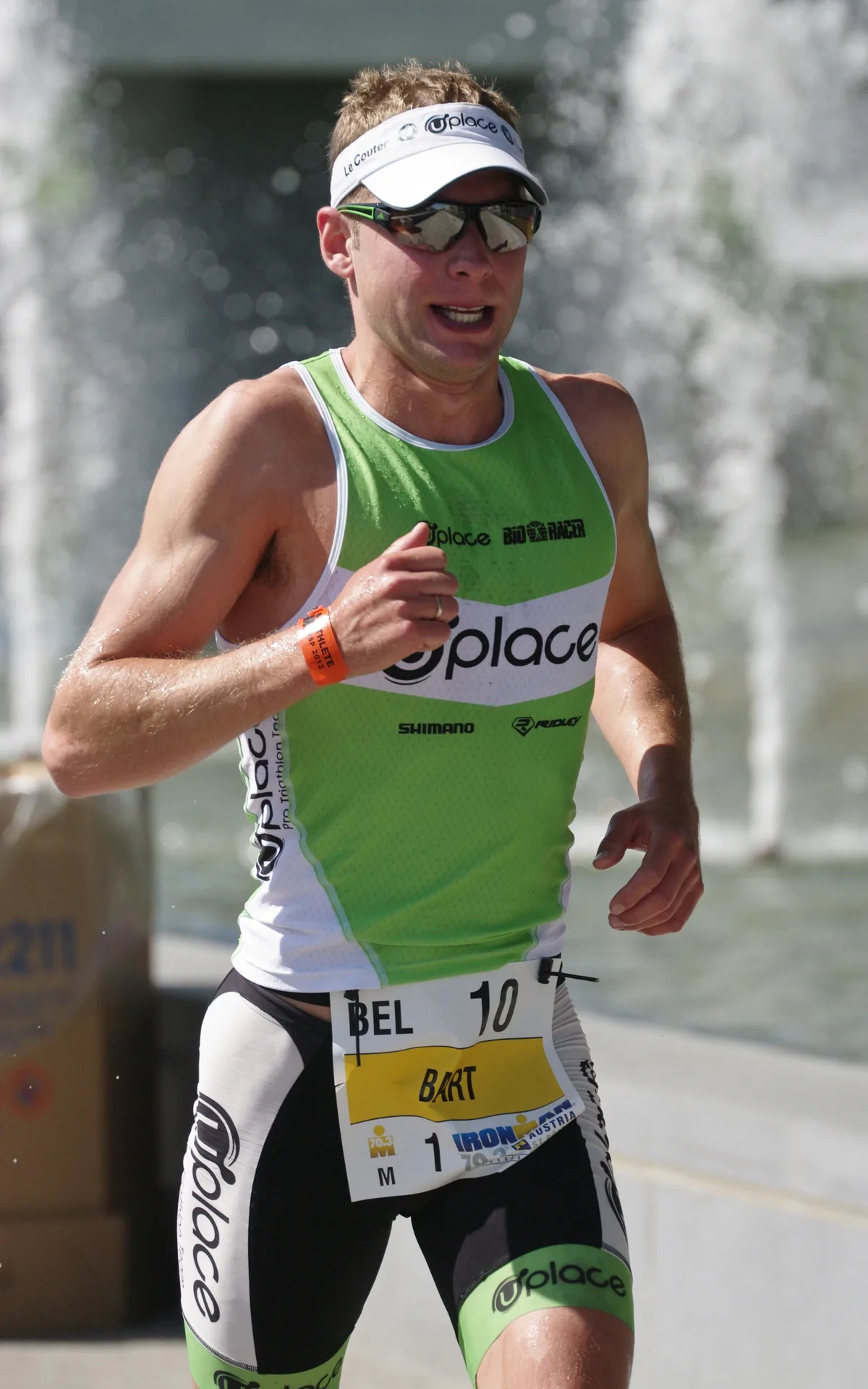
A half-distance race in early summer
December in Buenos Aires means long days and heavy, humid air. Ironman 70.3 Buenos Aires takes place in December 2026, when the southern summer is just getting going and the jacaranda season has barely finished. Athletes from around the world come for a race that covers 113 kilometres, or 70.3 miles, under their own power.
The city around them keeps its usual rhythm. Cafés stay full late into the night, and dinner rarely starts before 9pm. Race morning comes hours after most porteños have gone to bed.
The 70.3 distances, piece by piece
This is the half-Ironman format, and each leg is exactly half the full distance:
- Swim: 1.9km (1.2 miles)
- Bike: 90km (56 miles)
- Run: 21.1km (13.1 miles), a full half marathon
Between the legs sit two transitions. Athletes rack their bikes, change shoes and head straight back out, and each changeover counts toward the total time. Spectators usually gather here, because the transition area is the one place where every competitor passes several times.
The run is often the best leg to watch. Half-distance courses tend to use loops, so you see the same athletes go by more than once. By then the midday heat has built up, and the cheering does real work.
Dates, entries and the tickets question
The race is scheduled for December 2026. The organiser publishes the exact date, the venue and the registration links on its official site. It is part of the IRONMAN 70.3 series, run by The IRONMAN Group, and its pages carry the athlete guide and course maps.
At most triathlons, “tickets” means athlete entries rather than spectator passes. Lining the roads is usually free and open to anyone. Fenced areas such as transition and the finish chute are generally limited to athletes and accredited staff. Entry fees appear on the registration page, and no figure is given here.
Moving around the city in race week
Most international athletes fly into Ministro Pistarini International Airport at Ezeiza (EZE), about 35km southwest of the centre. Some regional flights use Aeroparque Jorge Newbery (AEP) on the riverfront, much closer to Palermo and the downtown hotels.
Travelling with a bike box changes how you get around. Athletes usually book a remise, a pre-arranged car, or a large taxi from Ezeiza instead of the airport buses. In the city you’ll want a SUBE card. It is the rechargeable card used on the Subte metro, city buses and suburban trains, and you can’t pay cash on board.
Road closures on race day typically reroute buses along the course. Spectators tend to walk or take the Subte toward the course rather than drive.
Cheering the porteño way
Argentines don’t cheer quietly. Expect clapping, shouted first names and loud encouragement in Spanish. Two words cover most of it:
- “¡Vamos!” (Let’s go!) works for anyone.
- “¡Dale!” (Go on, push!) suits the late kilometres of the run.
Athletes’ race bibs usually show their first names, so supporters read them out loud. Local spectators often bring a thermos and mate, the bitter herbal tea passed around a group in a single gourd from one shared metal straw. If someone offers you a turn, drink it all and hand it back. Saying “gracias” means you’ve had enough, so only say it when you’re done.
Card payments are common across the city. Smaller kiosks and some taxis still prefer cash, which is why many visitors carry a mix. In sit-down restaurants a tip of about ten percent is the norm. It is often left in cash, because card machines don’t always have a tip option.
Fitting the race into a Buenos Aires trip
Most competitors stay a few days on either side of the race. They need the time to put bikes back together, recover from the flight and let their legs settle afterwards. Palermo, with its wide parks around the Bosque de Palermo and the lakes, is where many runners and cyclists in the city go for easy training sessions.
After the race, recovery meals are easy to find. A parrilla serves grilled beef cuts such as bife de chorizo, and a heladería sells dulce de leche ice cream by the quarter kilo. Recoleta Cemetery, San Telmo’s Sunday market on Defensa street and the colourful houses of La Boca’s Caminito are all easy half-day outings on legs that still ache.
Frequently asked questions
When is Ironman 70.3 Buenos Aires held?
The 2026 edition takes place in December 2026. The organiser publishes the exact race date on the official IRONMAN 70.3 Buenos Aires page.
What are the race distances?
The race is a 1.9km swim, a 90km bike ride and a 21.1km half-marathon run. That adds up to 113km, or 70.3 miles.
Do spectators need tickets?
At triathlons, watching from the roadside is generally free and open to the public. The tickets are athlete entries, and the registration links and fees are on the organiser's official site.
Which airport is best for athletes flying in with a bike?
Most international flights land at Ezeiza (EZE), about 35km from the centre. Athletes with bike boxes usually book a remise or a large taxi into the city.
What is the weather like in December?
December is early summer in Buenos Aires, so expect warm, humid days. The heat usually builds through the middle of the day, which makes the run the toughest leg.
Plan your trip to Buenos Aires
Argentina eSIM & staying connected →
Some links above are affiliate links — if you book through them, Wander Atlas earns a small commission at no extra cost to you. It's how we keep every guide free.
Related guides
 event
Anuel AA: Dates, Tickets & Venue (Buenos Aires)
 event
Argentina Comic Con December 2026: Dates, Tickets & Venue (Buenos Aires)
 Ended
arteBA 2026: Dates, Tickets & Venue (Buenos Aires)
 event