
A horseshoe of red velvet and gold
Walk into the auditorium and you are inside a horseshoe. Seven tiers of boxes and galleries curve up from the stalls toward a painted dome. The whole room is wrapped in red velvet and gilded plaster.
The theatre opened in 1908, and musicians have praised its acoustics ever since. It is regularly ranked among the best opera houses in the world for sound. Seating runs to roughly 2,500, with standing room on top of that. It still feels close: from the upper galleries the singers look small, but their voices arrive whole.
Getting to Cerrito 628
The front faces Avenida 9 de Julio, and the address is Cerrito 628. Cerrito is the side road running alongside the wide avenue. Plaza Lavalle sits behind the building, and the Obelisco is a few blocks south.
- Subte Line D: Tribunales station is the closest, on the Plaza Lavalle side.
- Subte Line B: Carlos Pellegrini, then walk north along 9 de Julio.
- Subte Line C: Diagonal Norte, which links to the same interchange beneath the Obelisco.
Crossing 9 de Julio on foot takes more than one light cycle. Use the marked crossings and give yourself time if you have a curtain to make.
The tour: foyer, Golden Hall, auditorium
The guided tour lasts about 50 minutes and runs in Spanish and English. It is the easiest way in if you can’t make an evening show. Groups go through the main foyer, with its marble staircase and stained-glass ceiling, and then into the Salón Dorado, the gilded hall used for chamber concerts.
Most tours finish in a box or on a balcony overlooking the auditorium. If no rehearsal is on, you get the full view of the stage and the dome. The dome was repainted by Argentine artist Raúl Soldi in the 1960s.
Tours are popular with almost every visitor to the city, so slots fill up. Book online before you go rather than queueing at the building. Allow an hour for the visit, plus time for photos in the foyer.

Widow’s boxes and the paraíso
Two parts of the house tell you how Buenos Aires society once used it.
At stalls level, look for the boxes covered with metal grilles. These are the palcos de viuda, or widow’s boxes. Recently bereaved women could listen to the opera from behind them without breaking mourning by being seen. They have their own entrance, kept out of sight of the main foyer.
At the other end of the building is the paraíso, the highest gallery right under the dome. It has the cheapest seats and standing places, and for decades music students and serious fans have sat up here. Many regulars say the sound is at its best in the upper tiers. The view of the stage is steep and partial, but you hear everything.
Seeing a performance, not just the building
The tour shows you the room. A performance lets you hear it, and that is what the Colón is famous for. The programme covers opera, ballet and symphonic concerts, with the main season running roughly from autumn into early summer, March to December. The theatre has its own resident orchestra, ballet company and chorus.
Seat names you’ll see when booking:
- Platea: the stalls, at ground level.
- Palcos: boxes, from the baignoire level upward. Front seats in a box see best. Back seats can mean leaning.
- Cazuela, tertulia, galería: the middle and upper tiers.
- Paraíso: the top gallery, including standing room.
Prices change a lot depending on the production and the seat. Check them on teatrocolon.org.ar or at the box office, where the seating plan is shown.
Curtain-up etiquette at the Colón
A few habits will help you fit in with the audience.
- Book on the official site. Big productions sell out, and resale listings elsewhere aren’t always genuine.
- Arrive early. Ushers stop latecomers at the door until a break, so be in your seat before the lights go down.
- Dress smart-casual or better. There is no strict dress code. Most locals dress up a little for evening opera, less for matinees.
- Hold your applause in concerts until the whole symphonic piece ends. Opera audiences do clap after big arias, and you’ll hear “¡Bravo!” from the upper tiers.
- Use the interval. Walk the foyer and the Salón Dorado if they’re open. Some parts of the building are easier to see with a ticket than on a tour.
- Say it right. In Spanish it’s “el Colón.” Locals rarely bother with “Teatro.”
Opening times for tours and the box office change with the season and with the performance schedule, so check the official site the week you visit.
Around Plaza Lavalle
The streets behind the theatre are worth a walk before or after. Plaza Lavalle stretches toward the Palacio de Justicia, the Supreme Court building, whose bulk faces the Colón across the square. On the plaza’s edge stands the Templo Libertad, the city’s best-known historic synagogue. The Teatro Nacional Cervantes, with its ornate Spanish-style front, is a few blocks away on Avenida Córdoba.
Head south down 9 de Julio and you reach the Obelisco and the theatre stretch of Avenida Corrientes. That street is lined with pizzerias and bookshops that stay busy late, so it’s an easy place to eat after a show.
Frequently asked questions
How do I get to Teatro Colón by Subte?
Tribunales station on Line D is closest, on the Plaza Lavalle side of the theatre. Carlos Pellegrini (Line B) and Diagonal Norte (Line C), both under the Obelisco, are a few blocks' walk north along Avenida 9 de Julio.
How long does the Teatro Colón tour take?
About 50 minutes. Tours run in Spanish and English and cover the main foyer, the Salón Dorado and a view of the auditorium. Book a slot ahead on teatrocolon.org.ar because they fill up.
Is it better to take the tour or see a performance?
If you have time, see a performance. The building is famous for its acoustics, and you only hear them during a show. The tour suits daytime visitors or anyone who can't make the dates in the programme.
When is the performance season?
The main season for opera, ballet and concerts runs roughly from March to December. The official site lists exact dates, times and seat prices for each production.
Is there a dress code?
There's no strict dress code. Smart-casual is fine, and many local audience members dress up a little for evening opera and ballet. Arrive on time, because latecomers wait outside until a break.
Plan your trip to Buenos Aires
Argentina eSIM & staying connected →
Some links above are affiliate links — if you book through them, Wander Atlas earns a small commission at no extra cost to you. It's how we keep every guide free.
Related guides
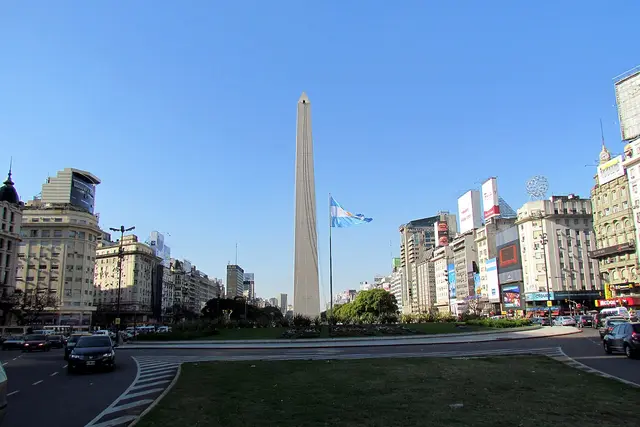 attraction
Obelisk: Buenos Aires Travel Guide (4.6★)
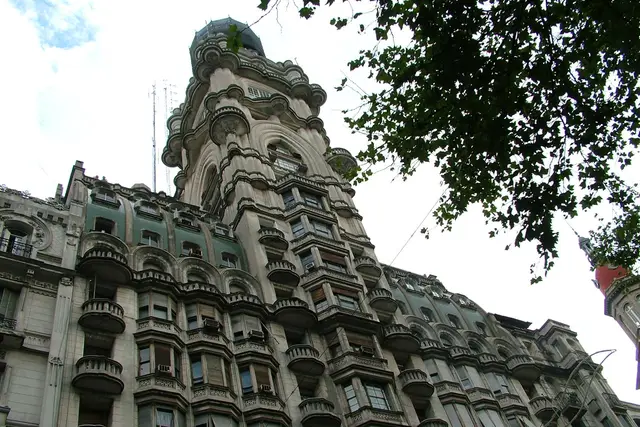 attraction
Palacio Barolo: Buenos Aires Travel Guide (4.6★)
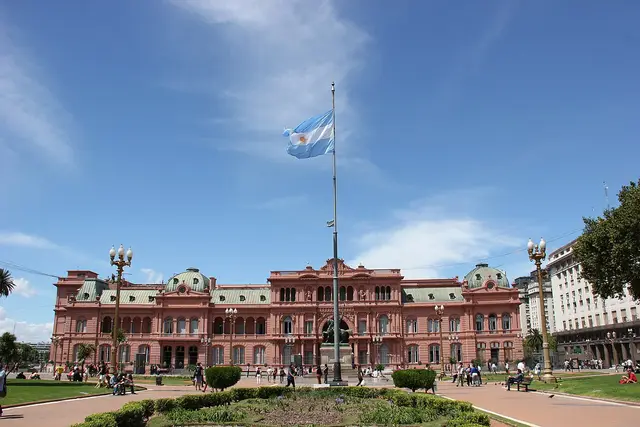 attraction
Casa Rosada: Buenos Aires Travel Guide (4.6★)
 attraction