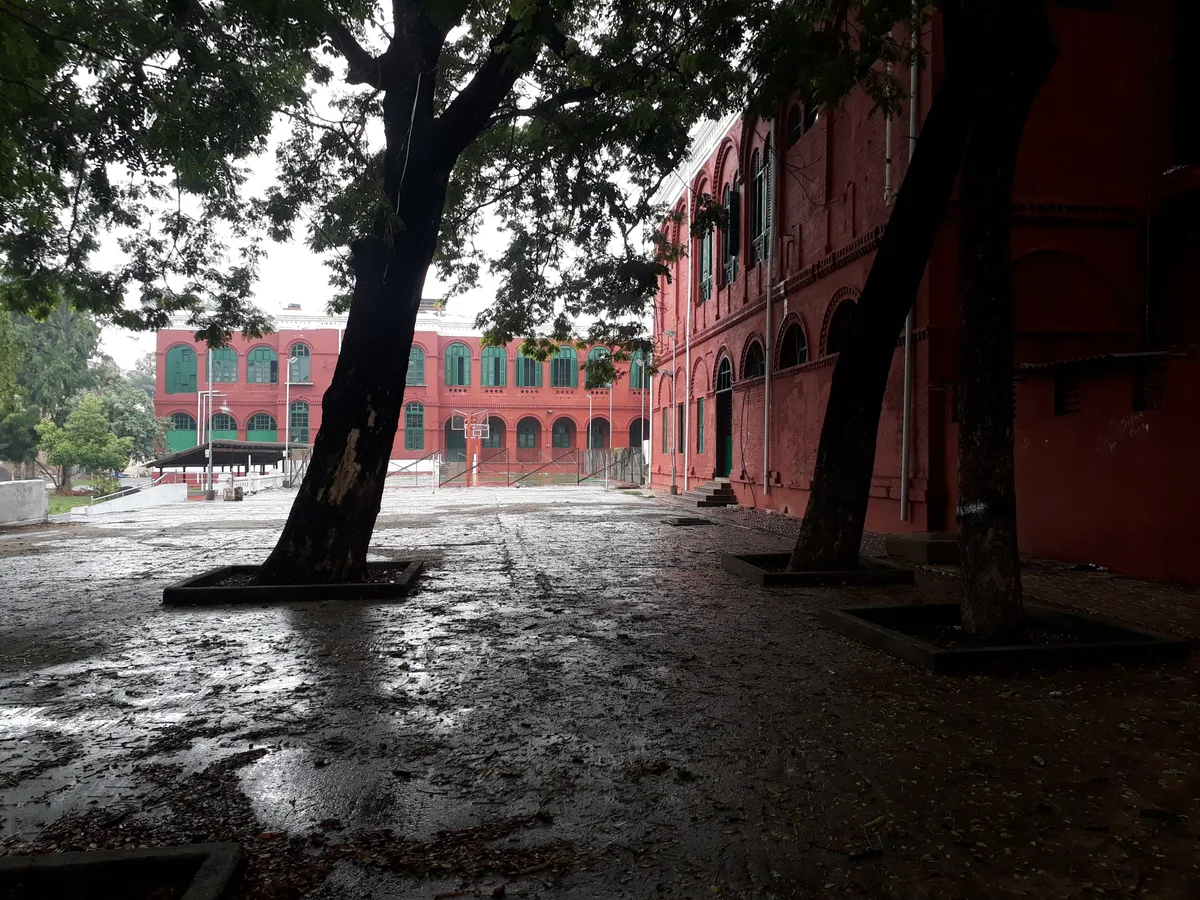
Eight days, one trophy
The only sound in the room is clocks being pressed. The 17th Chennai Open International Grandmaster Chess Tournament runs from January 2 to 9, 2027. Players compete for the Sakthi Group Dr. N. Mahalingam Trophy.
The name tells you the format. “Open” means the entry list isn’t limited to invited stars. Titled professionals play alongside rated club players and ambitious juniors. “International Grandmaster” means the tournament is built so players can earn title norms. That’s why so many of the boards carry real weight, not only the top ones.
Over eight days the field plays one round after another. Players who start well climb toward the top boards. Those who stumble drop into the long rows further back.
Why Chennai, of all cities
Chennai has a fair claim to being India’s chess capital. Viswanathan Anand, India’s first grandmaster and a five-time world champion, grew up here. In 2013 the city hosted his world title match against Magnus Carlsen.
The generation since has been even stronger. D. Gukesh and R. Praggnanandhaa both come from Chennai. In 2022, Mamallapuram, down the coast, hosted the 44th Chess Olympiad.
An open like this is where that pipeline actually works. Local juniors sit across from foreign grandmasters on ordinary weekday afternoons.
What the playing hall is like
Chess tournament halls in India look much the same from event to event. You’ll find long tables in rows, each board numbered, with a scoresheet and a digital clock beside it. Pairings and results are printed and pinned up on notice boards. Players crowd around those boards before every round.
The top boards are usually set apart near the front. They’re often roped off, and some events show the live games on screens. Further back the rows fill with juniors and club players. In those games the tension is the same and the mistakes are bigger.
Between rounds the atmosphere flips. In the corridors outside, coaches go over games with players, parents compare standings and analysis boards come out.
Watching without breaking the silence
At a rated tournament, spectators follow the same quiet rules as the players. This is how visitors usually behave in the hall:
- Phones off, not just silent. Under FIDE rules a player’s ringing phone can lose the game, and arbiters at Indian events tend to be strict about devices near the boards.
- No talking near the boards. Visitors save discussion of a position for outside the hall.
- Keep your distance. Spectators stand behind the ropes or a respectful step back, and never lean over a board.
- Photos at the start only. Many events allow photos in the first minutes of a round, then ask cameras away.
- Leave quietly. People who step out usually wait until no nearby game is in a time scramble.
Most Chennai shops, cafés and autos take UPI payments by phone, so visitors rarely need much cash for the day.
Getting there and staying nearby
Chennai International Airport is at Meenambakkam, south of the centre. Chennai Metro’s Blue Line connects it with Guindy, Saidapet and the central stations, and Ola, Uber and Rapido operate across the city. Auto-rickshaws are everywhere, and riders generally settle the fare or use the meter before setting off.
The organisers publish the venue alongside the dates in the official tournament information. Players and visiting families tend to stay near the venue. Nobody wants to cross the city before a round, because Chennai traffic is slow at peak hours.
January is a good month for the city. The monsoon is over, the days are warm rather than punishing and the evenings cool off.
Evenings between rounds
The tournament overlaps with the tail end of the Margazhi music season. That’s Chennai’s winter run of Carnatic concerts and dance recitals, held in the sabhas of Mylapore and T. Nagar. An evening concert is a very Chennai way to come down after a long game.
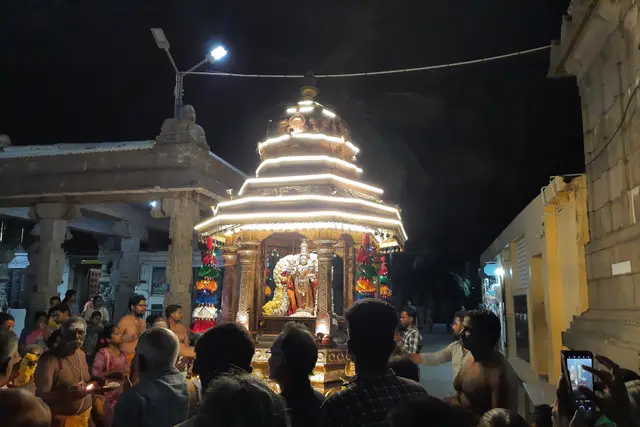
Mylapore also has the Kapaleeshwarar Temple, with its painted gopuram and tank. Marina Beach stretches north along the Bay of Bengal. Locals walk there at dusk, and it’s lined with snack stalls selling sundal and bajji.
For food, the “meals” restaurants serve South Indian thalis on a banana leaf. Filter coffee comes in a steel tumbler and dabarah, poured between the two to cool it.
Frequently asked questions
When is the 2027 Chennai Open Grandmaster tournament?
The 17th edition runs from January 2 to 9, 2027 in Chennai, Tamil Nadu. The Sakthi Group Dr. N. Mahalingam Trophy is at stake.
Who can play in the Chennai Open?
It is an open, FIDE-rated tournament. Grandmasters, titled players and rated amateurs all compete in the same event. Entry runs through registration with the tournament organisers.
Can spectators watch the games?
The organisers set the spectator arrangements. At Indian rated opens, visitors usually watch from behind ropes, with phones switched off and no talking near the boards.
What is the weather like in Chennai in early January?
Early January falls in Chennai's dry, milder season after the monsoon. Days are warm and evenings are noticeably cooler, which makes it one of the more comfortable months to visit.
What else is there to do in Chennai during the tournament?
The dates overlap with the end of the Margazhi music season, with Carnatic concerts in the sabhas of Mylapore and T. Nagar. The Kapaleeshwarar Temple and Marina Beach are also good for evenings between rounds.
Plan your trip to Chennai
India eSIM & staying connected →
Some links above are affiliate links — if you book through them, Wander Atlas earns a small commission at no extra cost to you. It's how we keep every guide free.
Related guides
 event
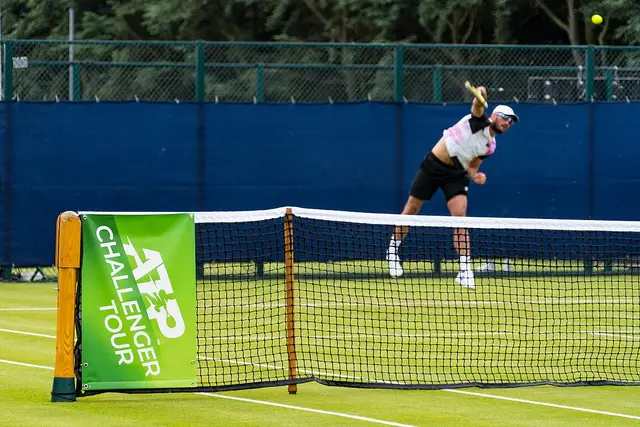
Chennai Open (ATP Challenger): Dates, Tickets & Venue (Chennai)
 Ended
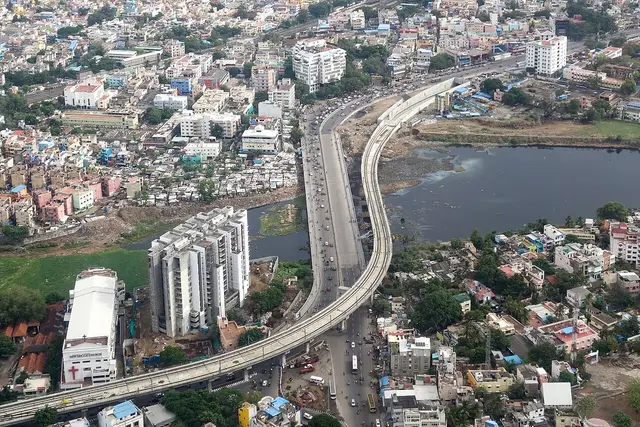
WTA Chennai Open: Dates, Tickets & Venue (Chennai)
 Ended
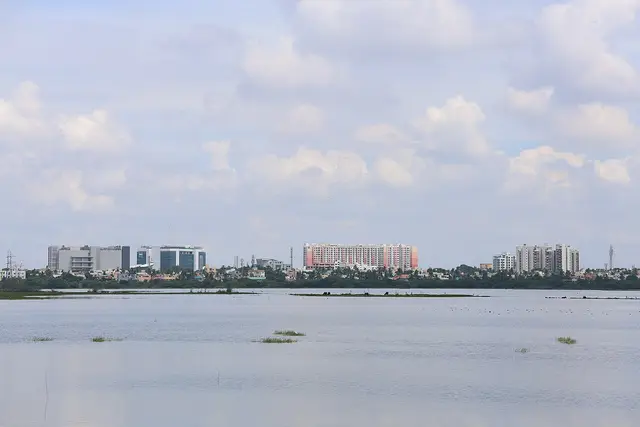
WTT Feeder Chennai 2026: Dates, Tickets & Venue (Chennai)
 attraction