Seokguram: Gyeongju Travel Guide (4.4★)
When to visit South Korea: month-by-month weather, crowds and holidays →
✓ Facts verified via Google Places · Sep 3, 2026
At a glance
Opening hours
- Monday: 9:00 AM – 6:00 PM
- Tuesday: 9:00 AM – 6:00 PM
- Wednesday: 9:00 AM – 6:00 PM
- Thursday: 9:00 AM – 6:00 PM
- Friday: 9:00 AM – 6:00 PM
- Saturday: 9:00 AM – 6:00 PM
- Sunday: 9:00 AM – 6:00 PM
Live foot-traffic data via BestTime.app
How this guide is made
Produced with AI assistance and reviewed against live data sources. Facts such as hours, ratings, and location come from Google Places; images are licensed or public domain. Details can change — please verify before visiting. Editorial policy
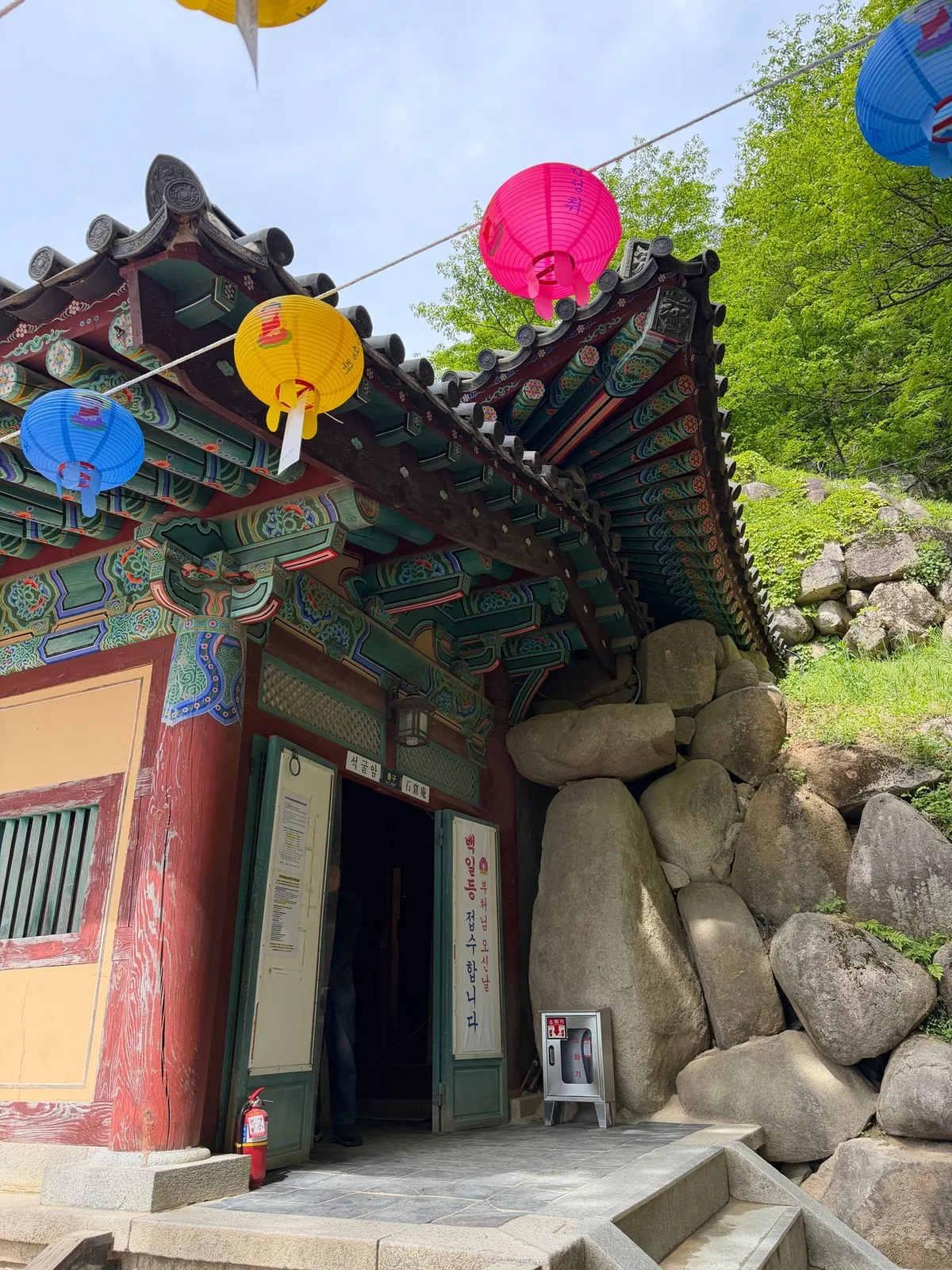
You climb through pine forest before you see it. The road up Mt. Tohamsan switchbacks through cool shade, cicadas buzzing in summer, and then the shrine appears almost without ceremony, a low stone structure set into the hillside, facing east toward a hidden slice of ocean.
Why Seokguram matters
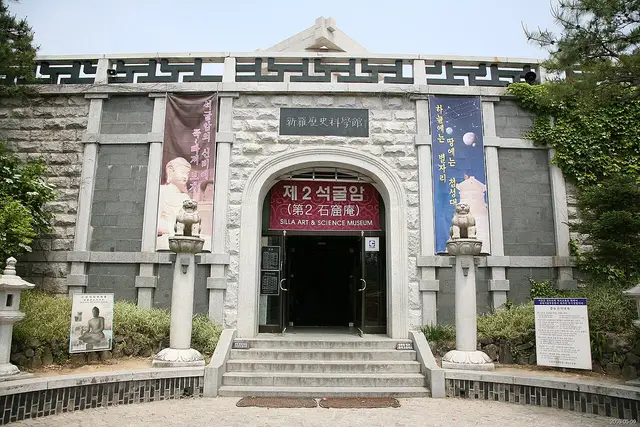
This is Korea’s most celebrated Buddhist grotto, built in the 8th century under the Silla kingdom. Inside sits a seated granite Buddha, over three meters tall, surrounded by carved bodhisattvas and guardians in a domed stone chamber engineered without mortar.
UNESCO listed it alongside Bulguksa Temple in 1995. Art historians still marvel at how precisely the original builders aligned the Buddha’s gaze toward the sunrise over the sea.
Getting there
Seokguram sits at 238 Seokgul-ro, about a 20-minute drive from central Gyeongju. Most visitors arrive by taxi, rental car, or a local bus that also stops at Bulguksa Temple lower on the mountain.
If you’re relying on public transit, check current bus schedules in Gyeongju before you go, routes and timetables shift seasonally. Many travelers hire a taxi for the full loop, since the grotto sits well above Bulguksa and a return taxi saves real time.
What you’ll actually see
You don’t walk right up to the Buddha. A glass barrier protects the sculpture, installed decades ago after humidity and tourist breath began damaging the stone.
Standing there, you look through the glass into a dim, domed chamber. The Buddha’s face is calm, almost heavy-lidded, lit by soft ambient light rather than direct sun.
Around him, smaller relief carvings line the walls, guardians, disciples, a thousand-armed Avalokiteshvara. Take a few minutes outside on the terrace too, where on a clear day you can see toward the East Sea through the trees.
Plan for 30–45 minutes at the grotto itself, more if you linger on the terrace or walk the connecting trail down to Bulguksa.
When to go
Seokguram opens daily from 9am to 6pm, no variation by day of the week. On weekdays it stays relatively even-paced across those hours.
Weekends are a different story. Crowds build steadily from 10am and stay heavy until around 5pm. That’s the window to avoid if you want breathing room in front of the Buddha.
The last hour before closing, 5pm to 6pm, is consistently the quietest weekend stretch. Early morning right at 9am works well any day of the week.
Spring and autumn bring the mildest hiking weather and clearer coastal views; summer adds humidity and haze that can dull the sea view from the terrace.
How to visit like a local
Seokguram draws heavy tour-bus traffic, so timing your visit matters more than almost anywhere else in Gyeongju.
- Arrive at opening (9am) or in the final hour (5–6pm) to skip the worst of the crowds, especially on weekends.
- Combine it with Bulguksa Temple, most people visit both in one trip, either driving to each separately or hiking the trail between them.
- Dress modestly and keep voices low near the grotto entrance; it remains an active place of worship, not just a museum piece.
- Don’t expect to touch or closely photograph the Buddha. The protective glass means phone photos through it often turn out glare-heavy, so temper your expectations.
- Pay in cash or card at the ticket booth; there’s no elaborate reservation system, but expect a short walk from the parking or bus drop-off to the grotto itself.
The most common mistake: treating Seokguram as a quick five-minute stop. The setting (the climb, the forest, the terrace view) is as much the experience as the sculpture itself, so budget real time rather than rushing through.
Nearby, after you leave
Bulguksa Temple, a short drive or a marked hiking trail below Seokguram, is the natural next stop and arguably the more photogenic of the two sites, with its stone bridges and twin pagodas.
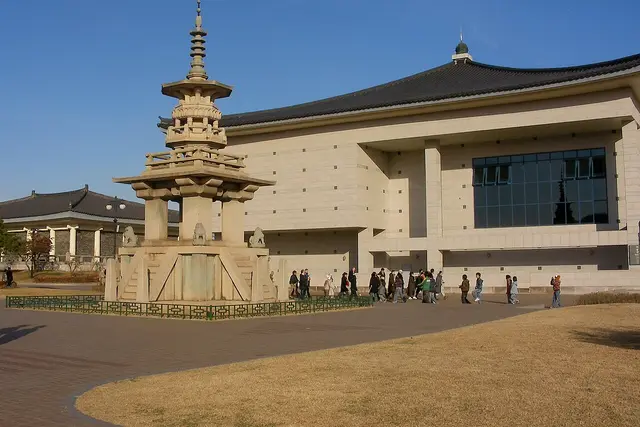
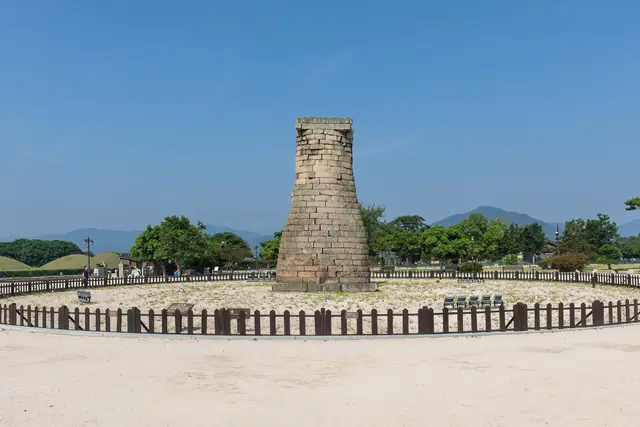
Back in central Gyeongju, Tumuli Park and the Gyeongju National Museum round out a full day tracing the same Silla-era history that produced Seokguram’s carvings.
Frequently asked questions
What are Seokguram's opening hours?
It's open every day from 9:00 AM to 6:00 PM, with no weekday/weekend variation in hours.
When is the quietest time to visit?
Weekdays are calm throughout the day. On weekends, the quietest window is 5–6pm, right before closing; try to avoid 10am–5pm on Saturday and Sunday when crowds peak.
How do I get to Seokguram from central Gyeongju?
It's about a 20-minute drive; most visitors go by taxi, rental car, or local bus. Check current bus timetables locally, as routes can shift seasonally.
How much time should I budget?
Plan on 30–45 minutes at the grotto itself. Most travelers pair it with Bulguksa Temple, making a half-day out of both sites.
Can I go inside and touch the Buddha statue?
No — a protective glass barrier separates visitors from the sculpture, installed to prevent humidity and touch damage, so you view it from just outside the chamber.
Plan your trip to Gyeongju
Some links above are affiliate links — if you book through them, Wander Atlas earns a small commission at no extra cost to you. It's how we keep every guide free.