South Korea · Region
Gyeongju
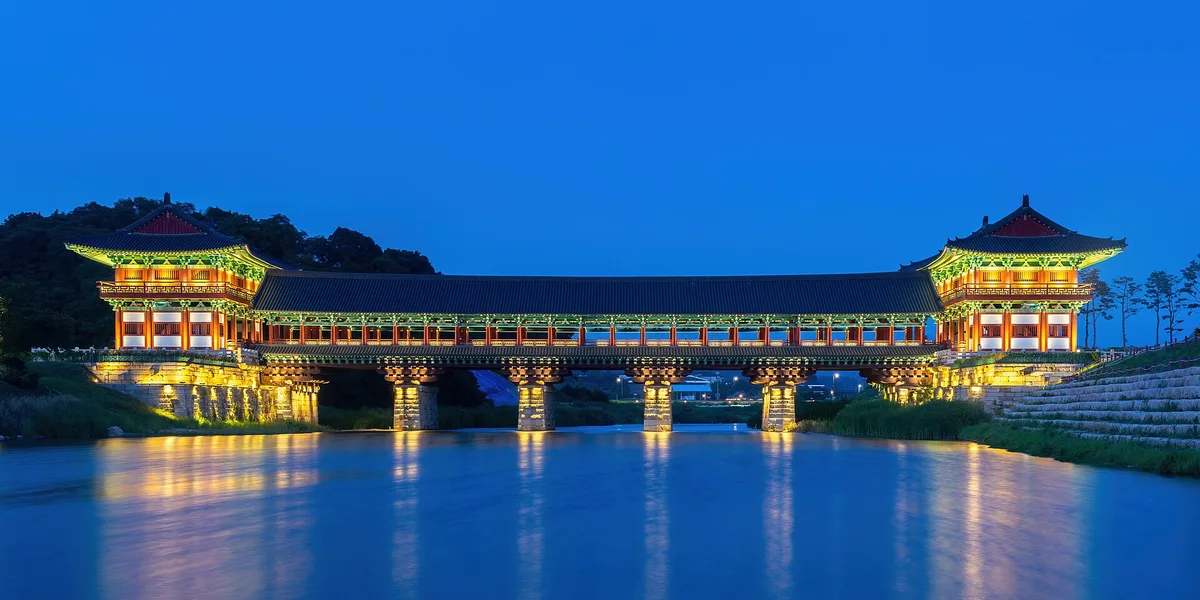
The capital of the Silla kingdom for nearly a thousand years, Gyeongju is often called a "museum without walls" — grassy royal tombs, the UNESCO-listed Bulguksa temple and Seokguram grotto, and the night-lit Donggung Palace and Wolji Pond, all in a walkable, low-rise old town.
Day Trips from Gyeongju (Daegu · Busan · Andong)
Top attractions
 attraction
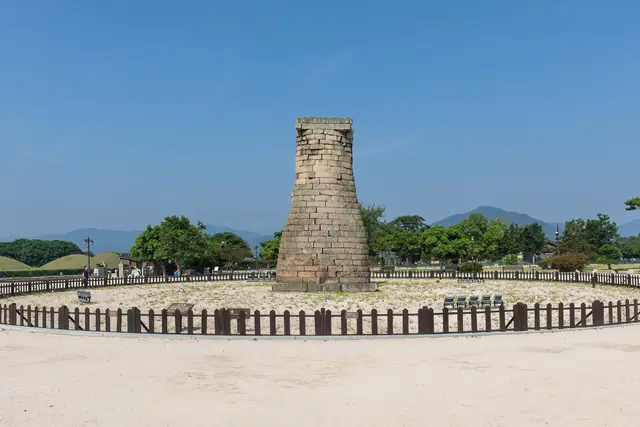
 Cheomseongdae Observatory: Gyeongju Travel Guide (4.5★)
Cheomseongdae Observatory sits in Gyeongju's Wolseong district, inside the flat parkland that connects Tumuli Park to the Donggung Palace and Wolji Pond grounds. 4.5★ (20,585 reviews) — what visitors say, hours, and tips.
 attraction
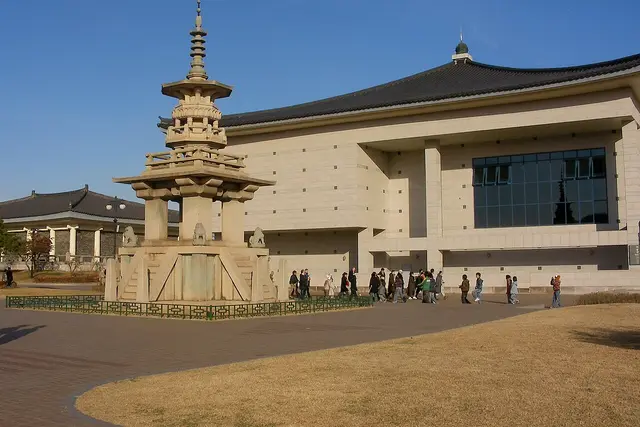
 Gyeongju National Museum: Travel Guide (4.6★)
Gyeongju National Museum, on Iljeong-ro just southeast of the Wolseong Palace site, is the single best place to understand the Silla Kingdom's thousand-year run as a royal capital — plan on two to three hours for the main halls and outdoor grounds. 4.6★ (13,323 reviews) — what visitors say, hours, and tips.
 attraction
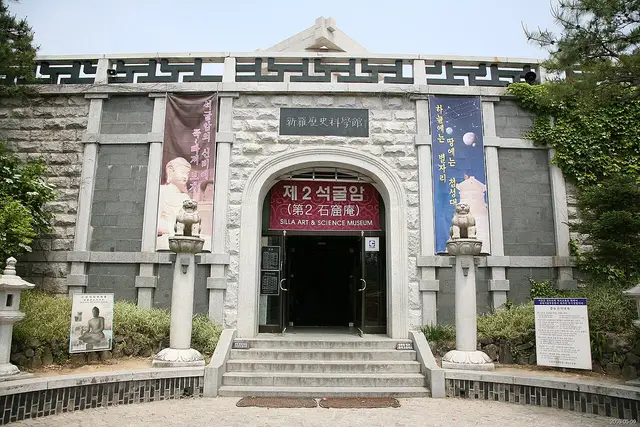
 History in Gyeongju
Spend two full days in Gyeongju: one for the Tumuli Park/Cheomseongdae/Wolji Pond loop in the city center, and one for Bulguksa Temple and Seokguram Grotto in the hills to the east.
 attraction
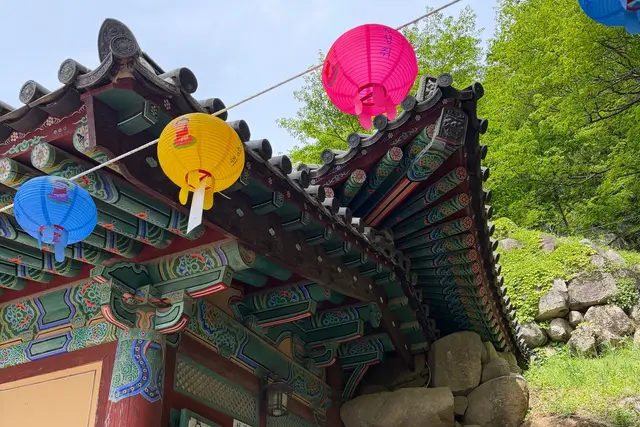
 Seokguram: Gyeongju Travel Guide (4.4★)
Seokguram is the Silla-dynasty grotto shrine on Mt. Tohamsan, famous for its serene granite Buddha overlooking the East Sea, and it's open daily 9am–6pm. 4.4★ (7,941 reviews) — what visitors say, hours, and tips.
 attraction
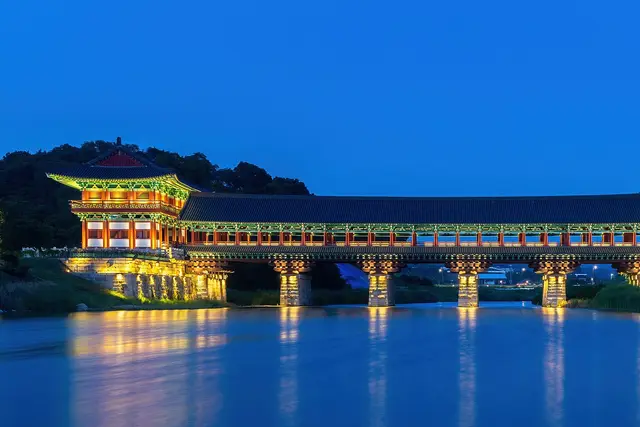
 Woljeonggyo Bridge: Gyeongju Travel Guide
Woljeonggyo Bridge is a reconstructed Silla-era wooden bridge spanning the Namcheon (Nam Stream) in Gyeongju's Gyo-dong village, best visited around sunset so you can see it lit up against the dark water.
Trendy & cafés
Cafe Arae Heon: Gyeongju Travel Guide
Cafe Arae Heon is a hanok-style café on Bobul-ro near Bulguksa Temple in Gyeongju, known for large hanok windows framing garden and mountain views, traditional-style pastries, and a serene, photogenic atmosphere reflected in a 4.9 rating from over 1,400 reviews.
 trendy
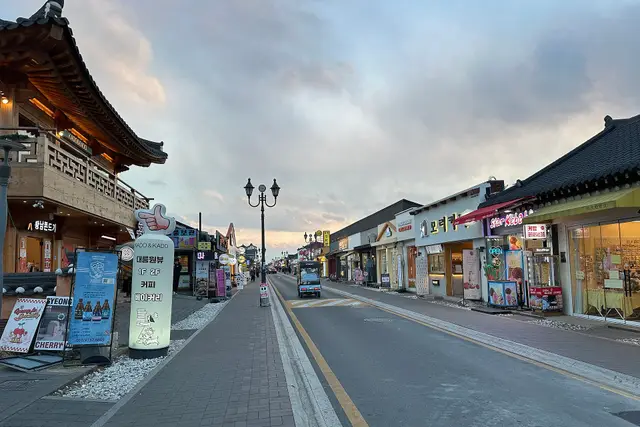
 Hwangnidan-Gil in Gyeongju
Hwangnidan-gil is Gyeongju's trendiest strip of cafes, hanbok rental shops, and boutiques, tucked into a low-rise residential neighborhood a short walk south of the Daereungwon tomb cluster and Cheomseongdae observatory.
Hidden gems
 hidden gem
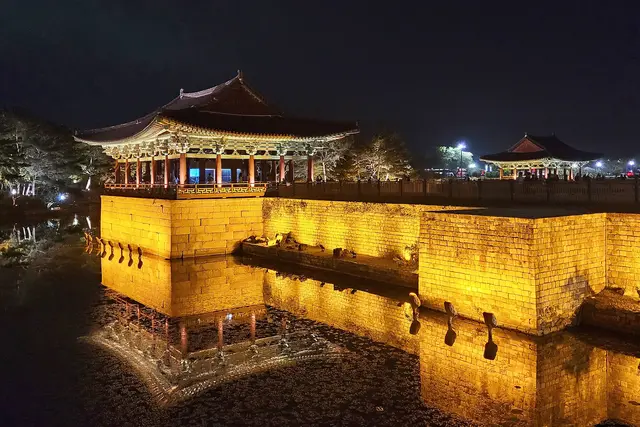
 Donggung Palace & Wolji Pond: Gyeongju Travel Guide
Donggung Palace & Wolji Pond is Gyeongju's best evening spot: a Silla-era palace complex (circa 674 CE) built around a manmade pond with three islets, best seen at dusk when the reconstructed pavilions and their reflections light up over the water.
 hidden gem
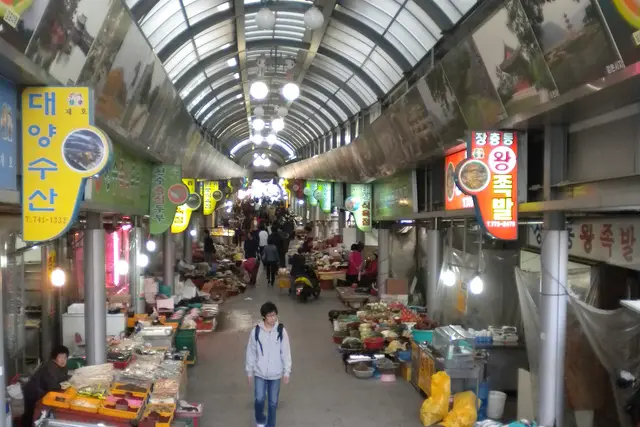
 Seongdong Market: Gyeongju Travel Guide (4.1★)
Seongdong Market is Gyeongju's old-town covered market near the train area — a working, unglamorous food-and-produce market rather than a tourist attraction, open daily 5am–7pm. 4.1★ (2,405 reviews) — what visitors say, hours, and tips.
 hidden gem
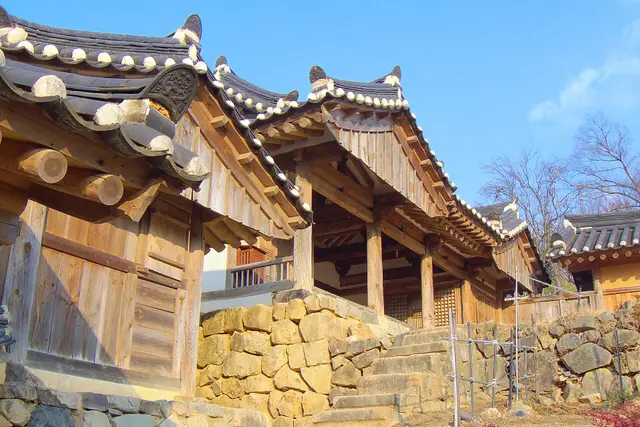
 Yangdongmaeul-gil: Gyeongju Travel Guide
Yangdongmaeul-gil is the access road into Yangdong Village, a centuries-old Yangban (noble-class) clan village in Gangdong-myeon, about 40 minutes northeast of central Gyeongju.
 hidden gem
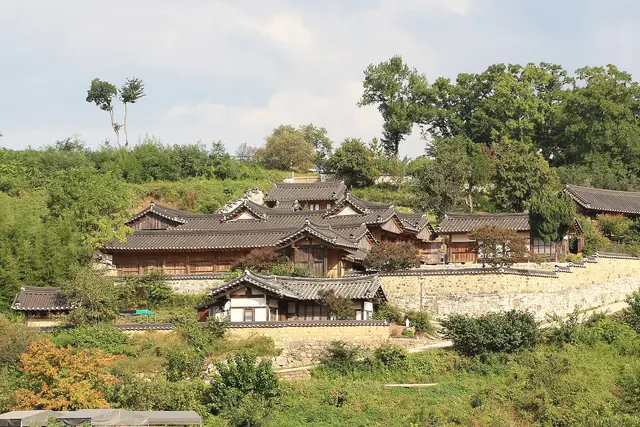
 Yangdong Folk Village: Gyeongju Travel Guide (4.1★)
Yangdong Folk Village is a still-inhabited 500-year-old clan village about 16km northeast of Gyeongju, open daily 9am–5pm. 4.1★ (3,301 reviews) — what visitors say, hours, and tips.
Top-rated things to do in Gyeongju
Booking links are affiliate links — booking through them supports our free guides at no extra cost to you.
Where to stay in Gyeongju
Compare Gyeongju hotels and stays at the lowest price — deals, ratings, and real traveler reviews.
Search hotels in Gyeongju →Booking links are affiliate links — booking through them supports our free guides at no extra cost to you.
Plan your trip to Gyeongju
South Korea eSIM & staying connected →
Some links above are affiliate links — if you book through them, Wander Atlas earns a small commission at no extra cost to you. It's how we keep every guide free.
When to visit South Korea: month-by-month weather, crowds and holidays →
Frequently asked questions about Gyeongju
How do I get to Gyeongju?
KTX to Singyeongju Station (~2 hours from Seoul), then a bus or taxi into town; easy as a stop between Seoul and Busan.
How many days should I spend in Gyeongju?
1–2 days covers the tombs, Bulguksa, and Wolji Pond after dark.
What is Gyeongju known for?
The capital of the Silla kingdom for nearly a thousand years, Gyeongju is often called a "museum without walls" — grassy royal tombs, the UNESCO-listed Bulguksa temple and Seokguram grotto, and the night-lit Donggung Palace and Wolji Pond, all in a walkable, low-rise old town.