Twenty courses, one sitting
Saigon is mostly a street-food city. People eat fast here, on low plastic stools, and the next bowl is always close by.
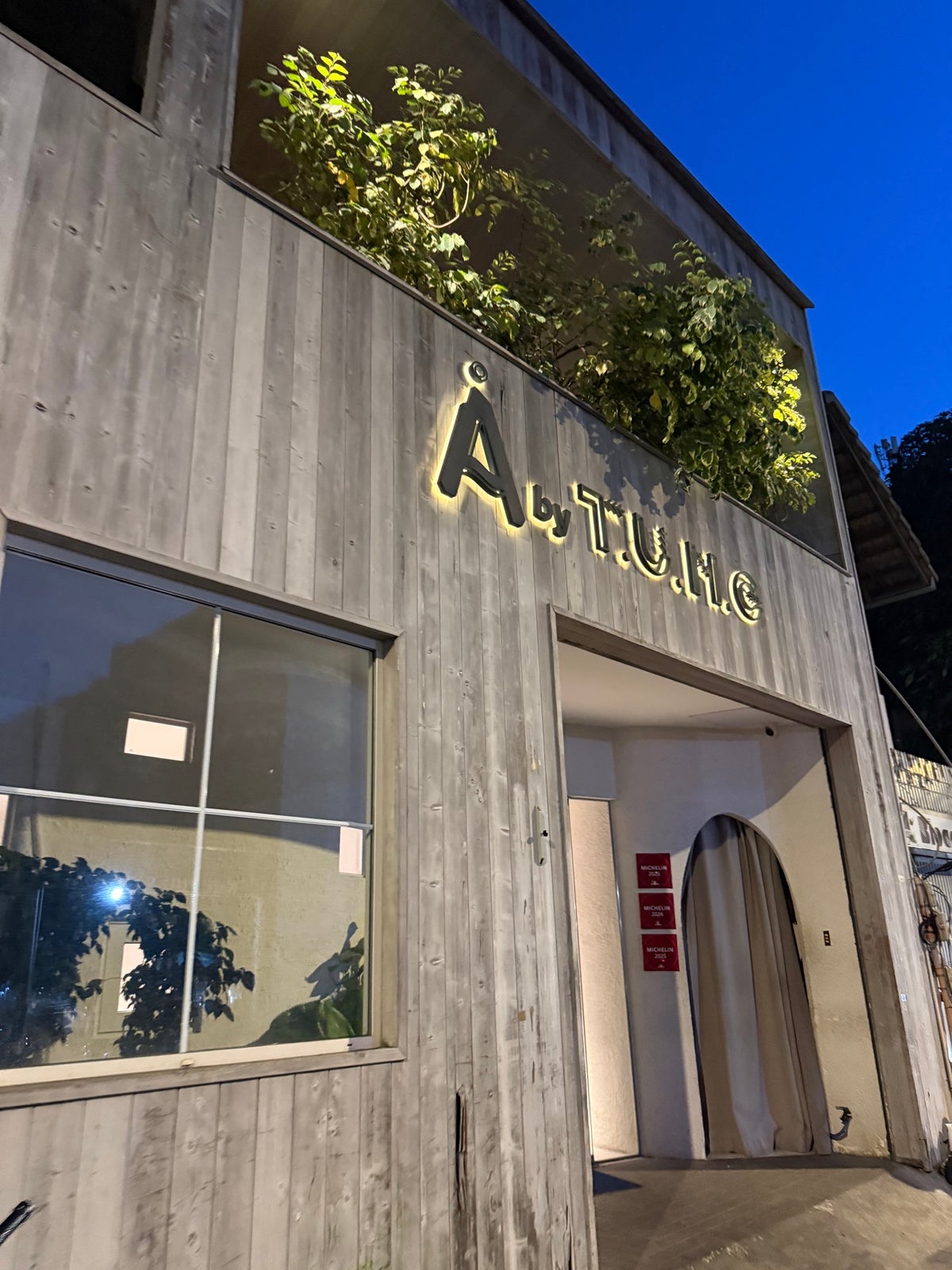
A by TUNG goes the other way. Chef Hoang Tung’s restaurant is built around one long tasting menu of 20 courses, and it takes its cues from Northern Europe rather than the Mekong Delta. It is one of the newer names people mention in the city’s fine-dining scene, and that newness is part of the draw.
You come here for a single sitting that runs the whole evening. Every guest gets the same menu, so you don’t order. You watch a chef’s sequence arrive one course at a time.
A pale room facing the pass
The space is minimal and Nordic in feel. Expect clean lines and very little on the walls, nothing that competes with the plates. After the crowded shopfronts and motorbike traffic outside, that restraint registers straight away.
The best seats look straight into the kitchen. Front-row kitchen views are part of the design, so you can follow how each course is built and plated before it reaches you.
For a solo diner, that view is company. For a couple, it gives you something to talk about between courses. If you have a choice when booking, ask for a seat facing the kitchen.
How twenty plates actually pace out
Twenty courses sounds like a lot of food. In practice, menus this long are built from small plates, and the count tells you more about rhythm than about portion size.
“Northern European-inspired” sets the reference points. Nordic cooking is generally known for preserving, curing, smoking and fermenting, for sharp acidity, and for letting a few ingredients carry each plate. What A by TUNG actually serves changes with the chef’s menu, so treat that as background rather than a preview.
What does matter on the night:
- Arrive hungry, not starving. A long menu rewards a steady appetite, not one big rush at the start.
- Budget the whole evening. A 20-course meal usually takes a few hours, so don’t book a late show or a flight straight after.
- Mention allergies and restrictions when you reserve. Fixed menus are planned in advance, and the kitchen can only adapt what it knows about.
- Pace your drinks. If a pairing is offered, it stretches across the whole menu.
Getting a seat and settling the bill
Treat this as a booking-only evening. Tasting-menu kitchens prepare for a known number of guests, and a buzzy new opening fills its seats quickly. Walking in on spec is a poor bet.
Reserve through the restaurant’s official channels. That is also where you should confirm the address, which nights it serves and the current menu price, because none of those are fixed facts we can print here. A new restaurant’s details can still change.
A few habits help in Saigon fine dining:
- Be on time. With a set menu, a late arrival can throw off the timing for the whole room.
- Look at the bill before tipping. Tipping is not obligatory in Vietnam. Higher-end restaurants often add a service charge, so check whether one is already included.
- Have a card ready. Upscale places in the city generally take cards, though it is worth confirming when you book.
- Dress for a nice dinner. A minimal Nordic room pushes the evening toward smart-casual, even in the heat.
Crossing Saigon to the table
Ho Chi Minh City is spread out and the traffic is heavy. Distances that look short on a map can take a while in the evening rush. Leave more time than you think you need.
Most visitors get around by ride-hailing. Grab is the default app in the city, and you can choose a car or a motorbike. In the evening, a car keeps you cooler and keeps your clothes neater for dinner.
Before you set off, copy the exact address from your booking confirmation into the app. Don’t rely on a search for the name. Newly opened places are sometimes pinned in the wrong spot on maps.
Who this dinner is for
This is a planned evening, not a quick meal on the way to somewhere else. It suits travellers who want one memorable dinner on their trip, couples marking an occasion, and anyone curious to see how a Vietnamese chef handles Northern European cooking.
It is less suited to anyone who wants to try Vietnamese classics in one sitting, or to a group with very different tastes. On a set menu, nobody gets to order around the dishes they don’t like.
The contrast works best if you pair it with the rest of the city. Spend the day on broken rice, bánh mì and coffee from street stalls. Then let A by TUNG show you a quieter, slower way of eating in Saigon.
Frequently asked questions
What kind of food does A by TUNG serve?
Chef Hoang Tung serves a 20-course tasting menu inspired by Northern European cooking. Everyone eats the set menu, so you don't order à la carte. Check the restaurant's official channels for what is on the current menu.
Do I need a reservation at A by TUNG?
Yes, book ahead. It is a new and much-talked-about tasting-menu restaurant, and these kitchens cook for a set number of guests. Reserve through the official channels, and tell them about any allergies or dietary restrictions when you book.
How long does dinner take?
Twenty courses usually means a few hours at the table. Keep the whole evening free and don't plan anything tight straight after.
How do I get to A by TUNG?
Most visitors take a Grab car or motorbike. Copy the exact address from your booking confirmation into the app, because new restaurants are sometimes pinned in the wrong place on maps. Allow extra time for Saigon's evening traffic.
What is the setting like?
It is a minimal, Nordic-style dining room with seats that look straight into the kitchen. When you book, ask for a seat facing the kitchen so you can watch the courses being prepared.
Plan your trip to Ho Chi Minh City
Vietnam eSIM & staying connected →
Some links above are affiliate links — if you book through them, Wander Atlas earns a small commission at no extra cost to you. It's how we keep every guide free.