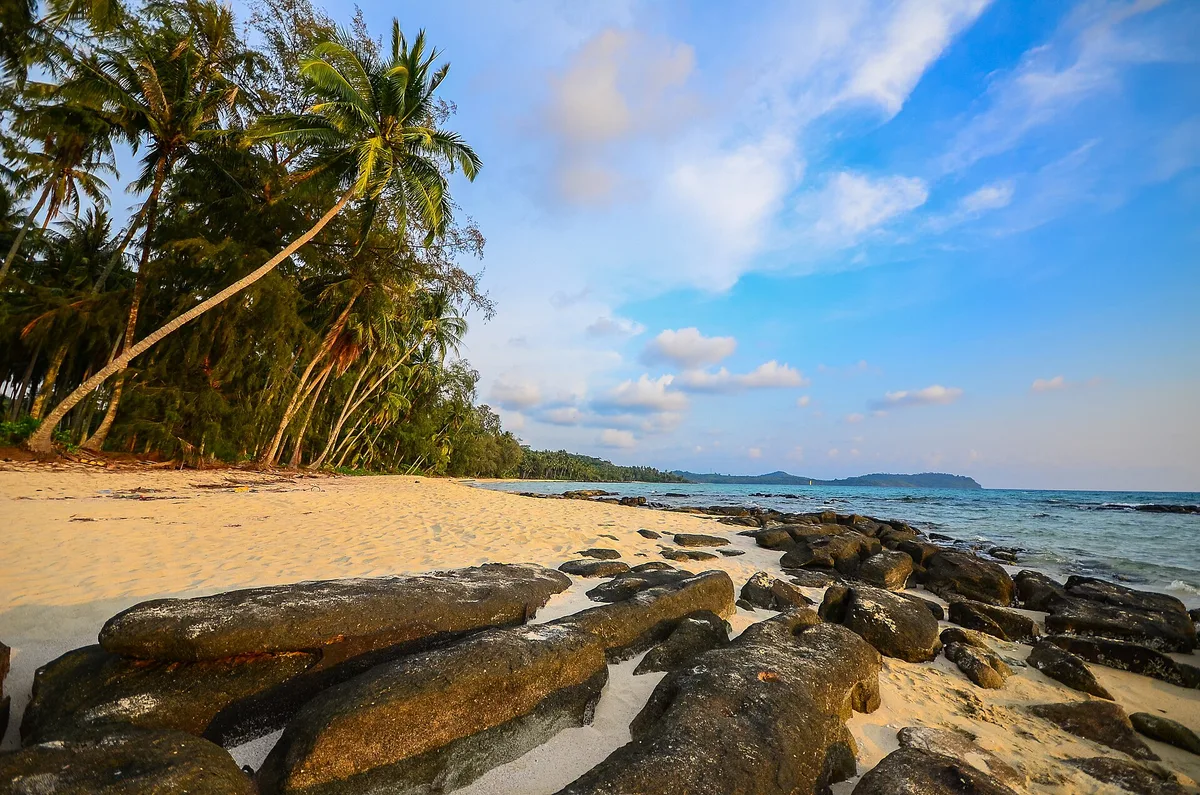
Why Mu Ko Chang Is Worth the Trip
Most of Koh Chang, Thailand’s second-largest island, actually sits inside this national park boundary. That means the jungle ridge running down its spine, the waterfalls tumbling off it, and the reefs scattered around 40-plus smaller islands nearby are all protected under one designation.
You feel the scale of it the moment the ferry from the mainland pulls in at Ao Sapparot or Dan Kao pier. Forested hills rise almost straight out of the Gulf of Thailand, with strips of white sand tucked into the coves below.
Getting There and Getting Around
Koh Chang sits off Trat province in eastern Thailand, close to the Cambodian border. Most visitors fly into Trat Airport, then take a short taxi to the ferry piers at Laem Ngop, followed by a 30-45 minute crossing.
Buses run directly from Bangkok’s Ekkamai station to the pier, timed to connect with ferries. Once on the island, songthaews (shared pickup trucks) cover the main ring road, though many travelers rent scooters to reach trailheads and beaches on their own schedule.
Waterfalls, Trails, and Reefs
The park’s showpiece hikes lead to Klong Plu Waterfall near Klong Prao, a short, family-friendly walk to a swimmable pool, and the tougher trek to Klong Nonsi or Than Mayom falls on the island’s quieter east side. Rangers collect a park entry fee at these access points, separate from any tour cost, so keep small bills handy.
For the marine side, boats depart daily from Bang Bao pier toward Koh Wai, Koh Rang, and other outlying islands, where the snorkeling is noticeably clearer than the mainland-facing beaches. A typical day trip stops at three or four spots and includes lunch on board.
Inland, the jungle interior hides:
- Elephant camps and canopy walkways near Klong Son
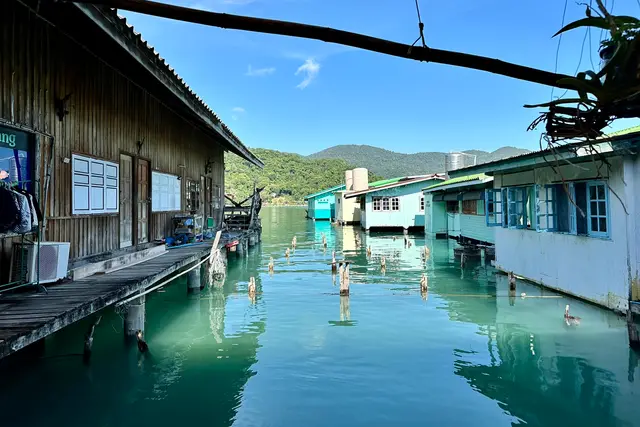
- Bang Bao fishing village, built on stilts over the water
- Salak Kok mangrove kayaking trail on the east coast

When to Go
Dry season, roughly November through April, gives you the calmest seas for island-hopping and firmer trails for hiking. December and January bring the coolest, most comfortable air.
Rain picks up from June through October, when waterfalls run fuller but boat trips to outer islands are sometimes cancelled for choppy water. Shoulder months like November and April often mean fewer crowds at the falls without sacrificing much weather.
How to Visit Like a Local
Mu Ko Chang draws heavy tour traffic, especially at Klong Plu Waterfall and the Bang Bao boat piers, so timing matters more than secrecy here.
- Arrive at trailheads right after the 8:30am opening to beat the tour buses.
- Bring cash in small denominations for park entry fees and songthaew rides; card machines are unreliable this far from Bangkok.
- Book snorkeling boats a day ahead in high season, especially around Christmas and New Year.
- Wear reef-safe sunscreen and closed shoes for muddy waterfall trails, not flip-flops.
- Respect the “leave no trace” signage at falls and beaches; rangers do enforce no-littering rules with fines.
The single biggest mistake visitors make is treating this as a beach-only stop and skipping the interior entirely. The jungle trails and mangrove kayaking routes see a fraction of the beach crowds and reward the extra effort with a genuinely different side of the island.
Late afternoon, after most tour groups have cleared out around 3-4pm, is a good window for a last dip at Klong Plu before the park’s 4:30pm close. Just don’t linger past closing, since rangers do sweep the trails at day’s end.
Nearby to Combine With Your Visit
If you have extra time, pair a park visit with White Sand Beach (Hat Sai Khao) for dinner and nightlife, or the Saturday-heavy Klong Prao night market for local street food. Divers based in Bang Bao often extend trips to Koh Rang Marine Sanctuary, technically part of the same park system, for some of the region’s better visibility.
Frequently asked questions
How much does it cost to enter Mu Ko Chang National Park?
Rangers collect a small entry fee (often a few hundred baht for foreign visitors) at trailheads like Klong Plu Waterfall; this is separate from any boat tour price, so bring cash.
What are the opening hours?
The park operates daily from 8:30am to 4:30pm. Aim to finish waterfall hikes or beach time before closing, as rangers do clear the trails.
When is the best time to visit for good weather?
November through April is dry season, with calm seas for island-hopping; December and January are the coolest months. June to October brings rain and rougher boat conditions.
How long should I spend in the park?
A half-day covers a waterfall hike like Klong Plu; a full day is better if you're combining a hike with a snorkeling boat trip from Bang Bao pier.
When is it quietest to avoid crowds?
Arriving right at the 8:30am opening, before tour buses reach the falls, and visiting on weekdays rather than weekends both help you avoid the busiest windows.
Plan your trip to Koh Chang
Thailand eSIM & staying connected →
Some links above are affiliate links — if you book through them, Wander Atlas earns a small commission at no extra cost to you. It's how we keep every guide free.
Related guides
 hidden gem
 Salak Khok Fishing Village: Koh Chang Travel Guide (4.3★)
 hidden gem
 Bang Bao Pier: Koh Chang Travel Guide (4.3★)
 attraction
 Kai Bae Beach: Koh Chang Travel Guide (4.5★)
 hidden gem