A city split into colours
On final day, Lima picks a side. Cream shirts with the maroon “U”, blue-and-white Alianza stripes and the sky blue of Sporting Cristal fill the combis, the corner bodegas and the queues outside chifas. All three clubs are based in the capital, so the rivalry runs through every neighbourhood.
Liga 1 Te Apuesto, Peru’s top division, ends its 2026 season on December 13, 2026. The championship-deciding matches come at the start of the Lima summer, when the grey garúa of winter has gone and evening kickoffs feel warm.
How the title gets decided
The Peruvian season is long, and its last weekend is the payoff. Universitario, Alianza Lima and Sporting Cristal are the clubs most often in the decider, and between them they hold most of the country’s league titles.
Universitario against Alianza is the Clásico, the biggest fixture in Peruvian football. If two of the Lima giants meet, the city treats it as more than a match. If a provincial club reaches the final, the occasion becomes Lima against the rest of the country, which is a rivalry of its own.
The stadiums in play
There is no fixed final venue, because each Lima club has its own ground. These are the grounds involved:
- Estadio Monumental “U” in Ate, eastern Lima: Universitario’s ground and the largest stadium in South America’s Pacific region, a huge bowl set against bare hills.
- Estadio Alejandro Villanueva, known as Matute, in La Victoria: Alianza’s tight, steep ground, with the stands right over the pitch.
- Estadio Alberto Gallardo in San Martín de Porres: Sporting Cristal’s smaller home in the north of the city.
- Estadio Nacional in central Lima, beside Parque de la Reserva: the national team’s stadium and a frequent neutral choice for big matches.
The league publishes the fixture, venue and kickoff time for the final through its official channels.
Tickets, ID and the stand you sit in
Buying a ticket in Lima works differently from buying one in Europe. Tickets for top matches are usually nominative. Locals register their DNI national ID number, and foreign visitors use their passport number, which is checked at the turnstile. Fans normally buy online through the official club or league ticket partner. Resale outside the ground is a risk, because the name on the ticket has to match your ID.
Stands are named by compass point, and they feel very different:
- Occidente: the main stand, usually covered, calmer and the most expensive. Most neutral visitors sit here.
- Oriente: the long stand opposite, busy but manageable.
- Norte and Sur: behind the goals, where the barras (organised supporter groups) stand, chant and wave flags for 90 minutes without stopping.
Some practical habits that matter on final day:
- In the neutral stands, locals wear muted colours. Wearing a rival shirt in the wrong section draws trouble.
- Security sometimes restricts or bans away supporters at the big clásicos, so a ground can be entirely one colour.
- Bags are searched at several rings of police cordon. Fans travel light: phone, ID and ticket.
- Lima fans mostly pay for stadium snacks and street food in cash. Sellers outside offer anticuchos, salchipapas and cold Inca Kola.
Crossing Lima on match day
Traffic is the real opponent. On match days, Avenida Javier Prado, the main route east to the Monumental, gets heavily jammed. Fans from Miraflores and San Isidro usually leave hours before kickoff. Ride-hail apps such as Uber, Cabify and InDrive are how most visitors get there. Drivers often drop passengers at the edge of the police cordon rather than at the gate.
The Estadio Nacional is the easiest to reach. The Metropolitano bus line has an Estadio Nacional station on the Vía Expresa, a short walk from the gates. Matute sits in La Victoria, beside the Gamarra textile district. Locals don’t walk there alone at night, and most visitors take a car straight there and straight back.
After the final whistle, everyone tries to leave at once. Supporters usually wait 30–45 minutes inside or near the ground for the crush and the price surge on ride-hail apps to ease.
Before and after the whistle
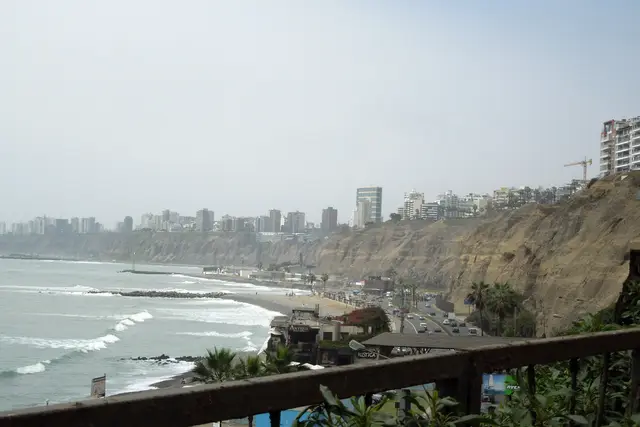
Most visitors stay in Miraflores or Barranco, on the clifftops above the Pacific. Both are a long way from the stadiums but have Lima’s best restaurants and an easy late-night scene. If the home side wins, fans head to Plaza San Martín in the historic centre to celebrate. Riot police usually line those streets too.
On the morning of the match, a cebichería lunch is the classic Lima warm-up. Ceviche is a daytime dish here, eaten before 4pm. With a pisco sour and a long walk along the Malecón, that fills the hours before you join the traffic heading east.
Frequently asked questions
When is the Liga 1 Peru final in 2026?
The 2026 Liga 1 Te Apuesto season ends with its championship-deciding matches on December 13, 2026, in Lima.
Which stadium hosts the final?
The venue depends on the finalists. The likely grounds are Universitario's Estadio Monumental in Ate, Alianza Lima's Estadio Alejandro Villanueva (Matute) in La Victoria, Sporting Cristal's Estadio Alberto Gallardo, and the Estadio Nacional in central Lima. The league publishes the venue and kickoff through its official channels.
Can foreigners buy tickets?
Yes. Tickets for big matches in Peru are usually nominative, so foreign visitors register a passport number instead of a Peruvian DNI and carry that passport to the turnstile. Tickets are normally sold online through official club or league partners.
Which section suits a first-time visitor?
Most neutral visitors pick Occidente, the main stand, which is usually covered and calmer. Norte and Sur, behind the goals, are where the organised barras stand and chant throughout.
How do fans get to the stadium?
Most use Uber, Cabify or InDrive and leave hours early because of match-day traffic, especially on Javier Prado toward the Monumental. The Estadio Nacional is the exception: it's a short walk from the Estadio Nacional station on the Metropolitano bus line.
Plan your trip to Lima
Peru eSIM & staying connected →
Some links above are affiliate links — if you book through them, Wander Atlas earns a small commission at no extra cost to you. It's how we keep every guide free.