Two days on a racing oval
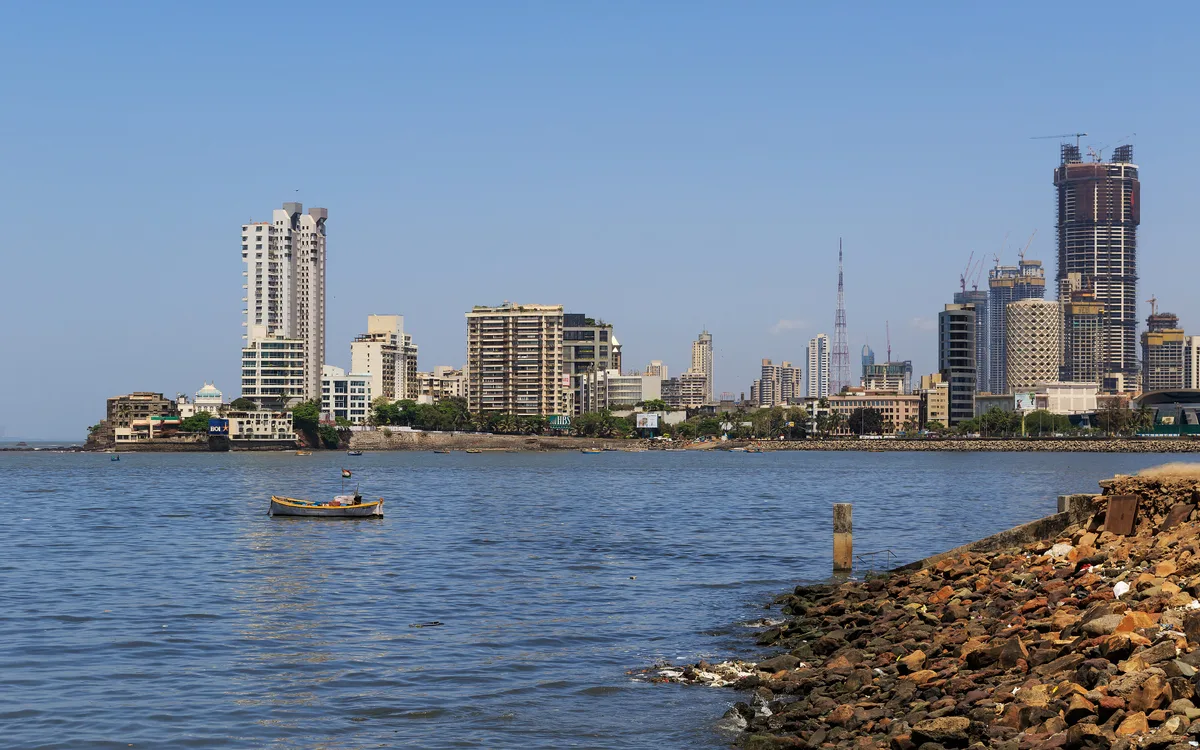
Mumbai’s version of Lollapalooza takes over a racecourse. For two days, the Mahalaxmi Race Course trades thoroughbreds for stages, and the turf inside the track becomes the field where the crowd stands.
The festival itself began in the United States in 1991, founded by Perry Farrell as a touring alternative-rock show. It grew into a franchise with editions across several continents. The Indian edition has made the race course its home, and previous editions were held on the same ground.
For 2027, Lollapalooza India runs on January 23 and 24. That’s a Saturday and Sunday, so the whole thing fits inside one weekend.
Dates and tickets for 2027
The facts that matter fit on one screen:
- Dates: Saturday, January 23 and Sunday, January 24, 2027
- Venue: Mahalaxmi Race Course, Mahalaxmi, Mumbai
- Tickets: sold exclusively through BookMyShow
BookMyShow is the only ticketing channel for this edition. Its festival page carries the ticket tiers, the prices and the lineup information. A pass bought anywhere else is outside the official channel, which is the main risk with resale offers on social media and messaging groups.
Mahalaxmi Race Course and how to reach it
The race course is one of the largest open spaces in south Mumbai. It sits between the Mahalaxmi neighbourhood and the sea-facing stretch towards Worli. The Royal Western India Turf Club runs it, and the course dates to the 1880s. Its old grandstands look across a broad green oval, a rare amount of flat, open ground in a city this dense.
Mahalaxmi station on the Western Railway suburban line is the closest rail stop, a short walk from the course. Mumbai Central, one stop south, is the larger hub if you’re coming in on a long-distance train. From the western suburbs (Bandra, Andheri, Borivali), the local train runs straight down the coast to Mahalaxmi without a change.
Road access is via the streets around Keshavrao Khadye Marg and Lala Lajpatrai Marg. Festival weekends add heavy traffic to roads that are already busy. That’s why many attendees from the suburbs pick the train over a cab.
January on the turf
The timing helps the festival. By late January, Mumbai is well into its dry season. The monsoon is months away, days are sunny and warm, and evenings cool off enough to make standing outdoors comfortable.
What that means once you’re on the grass:
- Afternoon sun: the infield has very little shade, so festival-goers usually wear hats and sunscreen
- Dust: dry ground under thousands of pairs of feet raises dust, and plenty of people carry a scarf or mask for it
- Evening: temperatures drop after sunset, though rarely enough for more than a light layer
- Footwear: two full days on turf and walkways is easier in closed shoes than sandals
The race course sits close to the Arabian Sea. On some evenings you get a breeze across the open ground that the streets outside never feel.
Getting home after the last set
The exit is the hardest part of a big Mumbai event. Everyone leaves at once, and the city’s transport rules shape your options.
- No autorickshaws here. Autos don’t run in south Mumbai’s island city, so the familiar three-wheeler isn’t an option outside the gate.
- Kaali-peeli taxis. The black-and-yellow metered taxis do work in this part of town. Drivers sometimes refuse short or awkward trips, so locals usually just walk on and flag the next one.
- App cabs. Uber and Ola surge sharply right after the music stops. Many attendees walk a few streets away from the main gate before requesting, which avoids the pickup jam on the main road.
- Local trains. Mahalaxmi station is walkable. Suburban trains have women-only compartments, and Mumbai riders usually move fast at the doors; you board decisively, not politely.
Mobile payments via UPI are the everyday default in Mumbai, and app cabs take cards. A small amount of cash is still useful for taxis.
Around Mahalaxmi: before and after
The neighbourhood has some of the city’s best-known sights. They fill a morning before the gates open, or the Monday after.
- Haji Ali Dargah: the white mosque and shrine on an islet off the Worli shore, reached by a causeway that floods at high tide. It’s a short trip from the race course.
- Mahalaxmi Temple: the Hindu temple to the goddess Mahalaxmi that gives the area its name, close to the sea on Bhulabhai Desai Road.
- Mahalaxmi Dhobi Ghat: the vast open-air laundry beside the railway line. Rows of concrete wash pens fill with clothes being beaten clean, and the bridge at Mahalaxmi station gives the classic view.
- Worli Sea Face: the seafront promenade to the north, with views of the Bandra–Worli Sea Link.
Food is easy to find. The streets around Tardeo and Haji Ali have juice bars, Irani-style cafés and the street-food stalls typical of any Mumbai junction.
Where visitors usually stay
The race course is central enough that most of south and central Mumbai works as a base.
- Worli and Lower Parel: the closest neighbourhoods with large hotels, and a short cab ride away
- Colaba and Fort: the older, more walkable heart of the city, with more for the days before and after the festival
- Bandra: the choice for people who want restaurants and nightlife, connected to Mahalaxmi by the Western line
Visitors flying in usually land at Chhatrapati Shivaji Maharaj International Airport in the northern suburbs. In weekend traffic, the drive to south Mumbai can take a long time, so a hotel near the race course saves hours of road over the two days.
Frequently asked questions
When is Lollapalooza India 2027?
Lollapalooza India 2027 takes place on Saturday, January 23 and Sunday, January 24, 2027, at Mahalaxmi Race Course in Mumbai.
Where are Lollapalooza India tickets sold?
Tickets for the 2027 edition are sold exclusively through BookMyShow. Its festival page carries the ticket tiers and current prices. Passes from any other source are outside the official channel.
How do I get to Mahalaxmi Race Course?
The closest rail stop is Mahalaxmi station on the Western Railway suburban line, a short walk away. Mumbai Central is one stop south. Autorickshaws don't operate in south Mumbai, so the options are local trains, black-and-yellow taxis or app cabs like Uber and Ola.
What is the weather like in Mumbai in late January?
Late January falls in Mumbai's dry season. Days are sunny and warm, and evenings are cooler. The infield has little shade and can get dusty, so festival-goers usually bring sun protection and closed shoes.
What can I see near the festival venue?
Haji Ali Dargah, Mahalaxmi Temple and the Mahalaxmi Dhobi Ghat open-air laundry are all close to the race course. Worli Sea Face, with its views of the Bandra–Worli Sea Link, is just to the north.
Plan your trip to Mumbai
India eSIM & staying connected →
Some links above are affiliate links — if you book through them, Wander Atlas earns a small commission at no extra cost to you. It's how we keep every guide free.
Related guides
 Ended
Anyma AEDEN (Sunburn): Dates, Tickets & Venue (Mumbai)
 event
Diljit Dosanjh Aura India Tour: Dates, Tickets & Venue (Mumbai)
 event
Francis Mercier India Tour: Dates, Tickets & Venue (Mumbai)
 event