Mercato Pignasecca: Naples Travel Guide (4.4★)
When to visit Italy: month-by-month weather, crowds and holidays →
✓ Facts verified via Google Places · Sep 22, 2026
At a glance
How this guide is made
Produced with AI assistance and reviewed against live data sources. Facts such as hours, ratings, and location come from Google Places; images are licensed or public domain. Details can change — please verify before visiting. Editorial policy
Naples has three big historic markets and Pignasecca is the one closest to the centre, wedged into the streets between Via Toledo and the Quartieri Spagnoli. Unlike the souvenir stretch of Via Toledo two minutes away, this is where people from Montesanto actually buy dinner.
The name means “dry stick” or “dried up,” and one popular explanation ties it to a tree that once stood on the site and withered, though nobody can prove it definitively. Whatever its origin, the market has been trading on this same ground since at least the 1600s, making it the oldest of Naples’ open-air markets.
The layout: piazza first, then the alleys
Piazza Pignasecca itself is the widest point, with fish stalls close to the entrance nearest Via Toledo. From there, the market spills down Via Portamedina and Via Pignasecca into narrower side streets lined with fruit and vegetable stands, butchers, and cheese counters.
Walk slowly here. The interesting stops aren’t always on the main drag; some of the best butchers and dried-goods sellers sit one lane over, in the streets that dead-end toward the Quartieri Spagnoli.
What’s actually on the stalls
This is a food market first, with a scattering of household goods and cheap clothing stalls mixed in. What you’ll find:
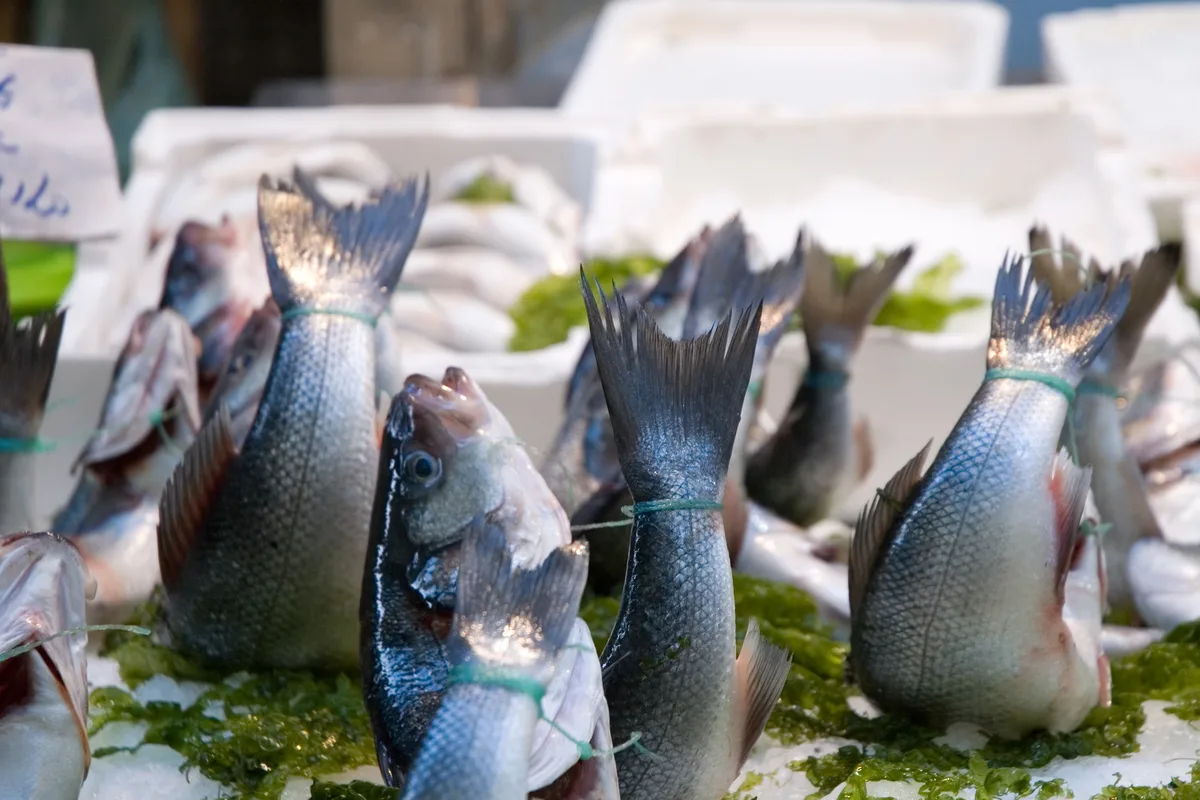
- Whole fish and shellfish laid out on ice, often with the vendor calling out prices
- Seasonal vegetables, much of it from the Campania countryside
- Provola and other southern Italian cheeses, some hanging in nets
- Fresh pasta and pizza-fritta style street food from a handful of fry stalls
- Butchers selling cuts you won’t see packaged in a supermarket
Prices aren’t posted in English and haggling isn’t really the custom here the way it might be in a tourist bazaar; you point, you ask “quanto costa,” and you pay what’s quoted.

The fry stalls: Pignasecca’s signature ritual
If Pignasecca has one thing it’s known for beyond the produce, it’s the fried street food sold standing up. Along Via Pignasecca and the piazza, small stalls fry pizza fritta, arancini, and frittatine di pasta to order, wrapped in paper and eaten on the spot or on the walk out.
This isn’t a sit-down meal. You queue at the counter, order by pointing or naming the item, and eat leaning against a wall or a parked scooter, the way most people passing through actually do it. It’s the most Neapolitan way to experience the market without needing a kitchen or a plan.
Getting there
The market sits at Piazza Pignasecca, 3, in the Montesanto district. The Montesanto stop, served by the Cumana and Circumflegrea suburban railways and the Montesanto funicular, is a two-minute walk away.
If you’re coming from the centro storico or Via Toledo, it’s an easy 10-minute walk downhill through the Quartieri Spagnoli, though those streets are steep and stepped in places. The Montesanto metro station on Naples’ Line 2 is also close by, so this works well as a stop between Piazza Plebiscito and the Cumana line out toward Pozzuoli.
When to go
Morning is genuinely the best time here, roughly through early afternoon, since this is a working produce and fish market and stalls thin out or start closing once the day’s stock sells through. Sundays, many vendors are closed entirely, which is worth checking before you plan a visit around it.
With a rating of 4.4 from a modest number of reviews, Pignasecca hasn’t built the reputation of Naples’ bigger, more photographed markets, and locals treat it as under-the-radar rather than a stop on the guidebook circuit. That’s part of the appeal: you’re watching a neighbourhood buy its groceries, not walking through a staged version of one.
Moving through without getting in the way
A few practical notes for behaving well in a working market:
- Keep bags close and zipped; it’s crowded in the narrow lanes and pickpocketing is a general risk in busy Naples street markets, not specific to Pignasecca.
- Don’t photograph vendors or their stalls up close without asking; a quick gesture or “posso?” goes a long way.
- Cash is the safer bet at the small stalls, though larger shops nearby may take cards.
- If you’re just browsing, step to the side rather than blocking the narrow walkway; locals move through fast on their way to work or home.
Combine it with a walk up into the Quartieri Spagnoli afterward, or down toward Via Toledo, so the market becomes one stop in a longer wander rather than a destination you have to justify on its own.
Frequently asked questions
Where exactly is Mercato Pignasecca?
It's centred on Piazza Pignasecca, 3, in the Montesanto district of Naples, between Via Toledo and the Quartieri Spagnoli.
How do I get to Mercato Pignasecca?
The easiest route is to the Montesanto station, served by the Cumana and Circumflegrea railways, the Montesanto funicular, and Naples' Line 2 metro, all about a two-minute walk from the market.
What's the best time to visit?
Go in the morning through early afternoon when the fish and produce stalls are fully stocked. Many vendors close by mid-afternoon and on Sundays, so avoid planning a visit for those hours.
What should I eat there?
Look for the fry stalls along Via Pignasecca and the piazza selling pizza fritta, arancini, and frittatine di pasta, eaten standing up straight from the paper wrapping.
Is Mercato Pignasecca touristy?
Not really. It's a working neighbourhood market with a solid but modest reputation locally, so you'll see far more Neapolitans doing their shopping than tour groups.
Plan your trip to Naples
Some links above are affiliate links — if you book through them, Wander Atlas earns a small commission at no extra cost to you. It's how we keep every guide free.