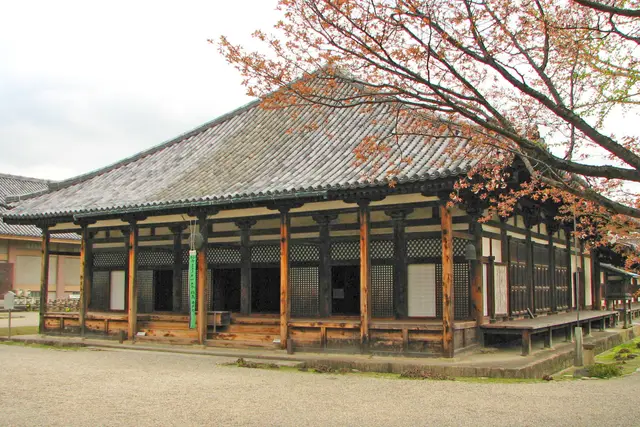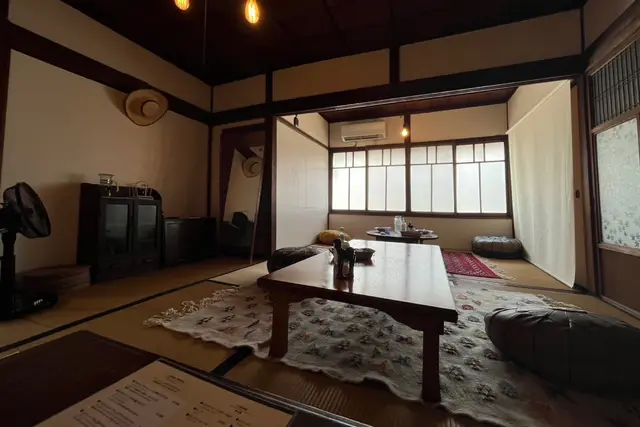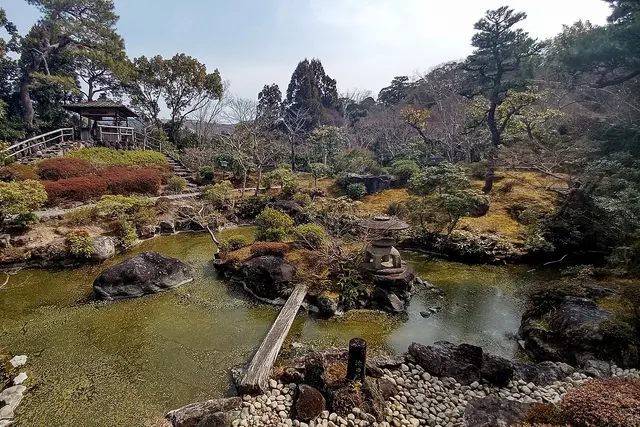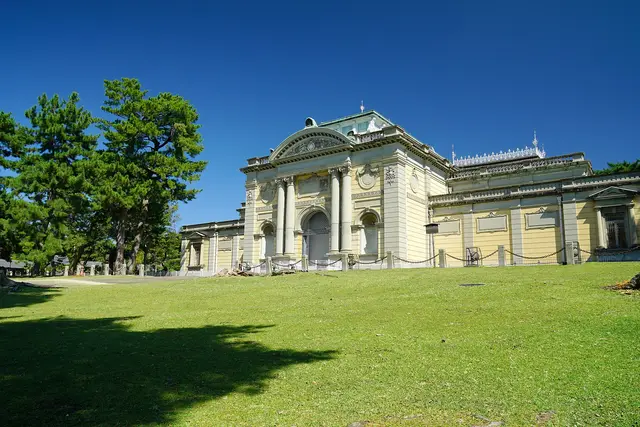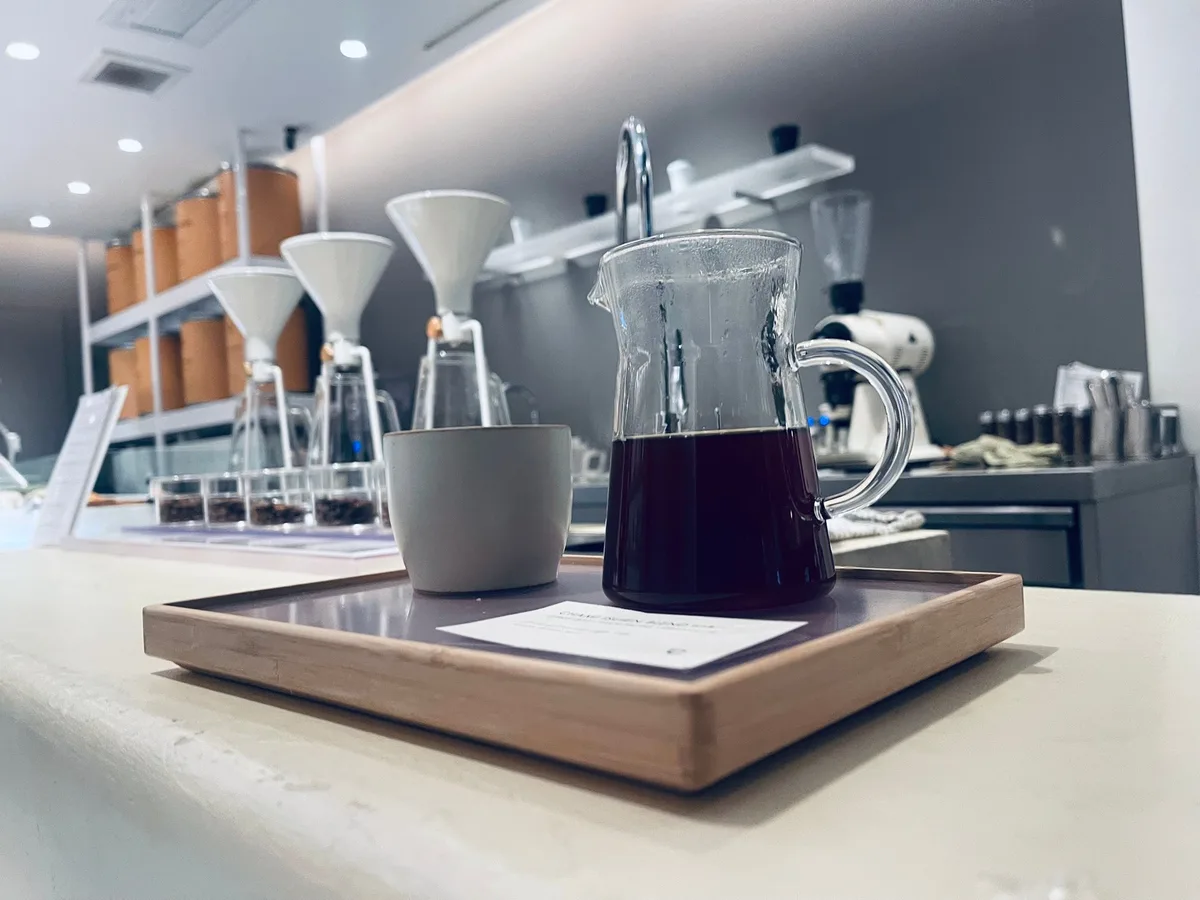
Why CHAMI stands out
Nara is famous for wandering deer and centuries-old temples, but its old merchant quarter, Naramachi, has quietly become a pocket of design-conscious cafes and craft shops tucked into former townhouses. CHAMI - Specialty Coffee Roaster is one of the best examples of this shift. It’s a working roastery and cafe with a 4.7 rating across more than 1,700 reviews, which is a rare combination of scale and consistency for a niche coffee spot.
The appeal isn’t just the coffee itself but the setting: an airy, architecturally considered space that treats coffee with the same seriousness Kyoto and Tokyo roasters bring to their craft, but without the crowds those cities generate.
Getting there
CHAMI sits at 6-2 Tsunofurishinyachō in Nara, in the historic Naramachi area south of Nara Park. The closest station is Kintetsu Nara Station, from which it’s a walk of roughly 15-20 minutes through the old town streets, a pleasant route past traditional wooden houses, small shrines, and craft shops. Alternatively, Yanagi-Chaya Station on the Kintetsu line is closer for some visitors coming from Osaka direction, also within a comfortable walking distance.
If you’re combining this with a temple day, it’s an easy add-on: Nara Park, Todai-ji, and Kasuga Taisha are all within a 20-30 minute walk or a short taxi ride, making CHAMI a natural coffee stop before or after the main sightseeing loop. Renting a bicycle from one of the shops near Kintetsu Nara Station is also a popular way to cover both the temples and Naramachi in one day.
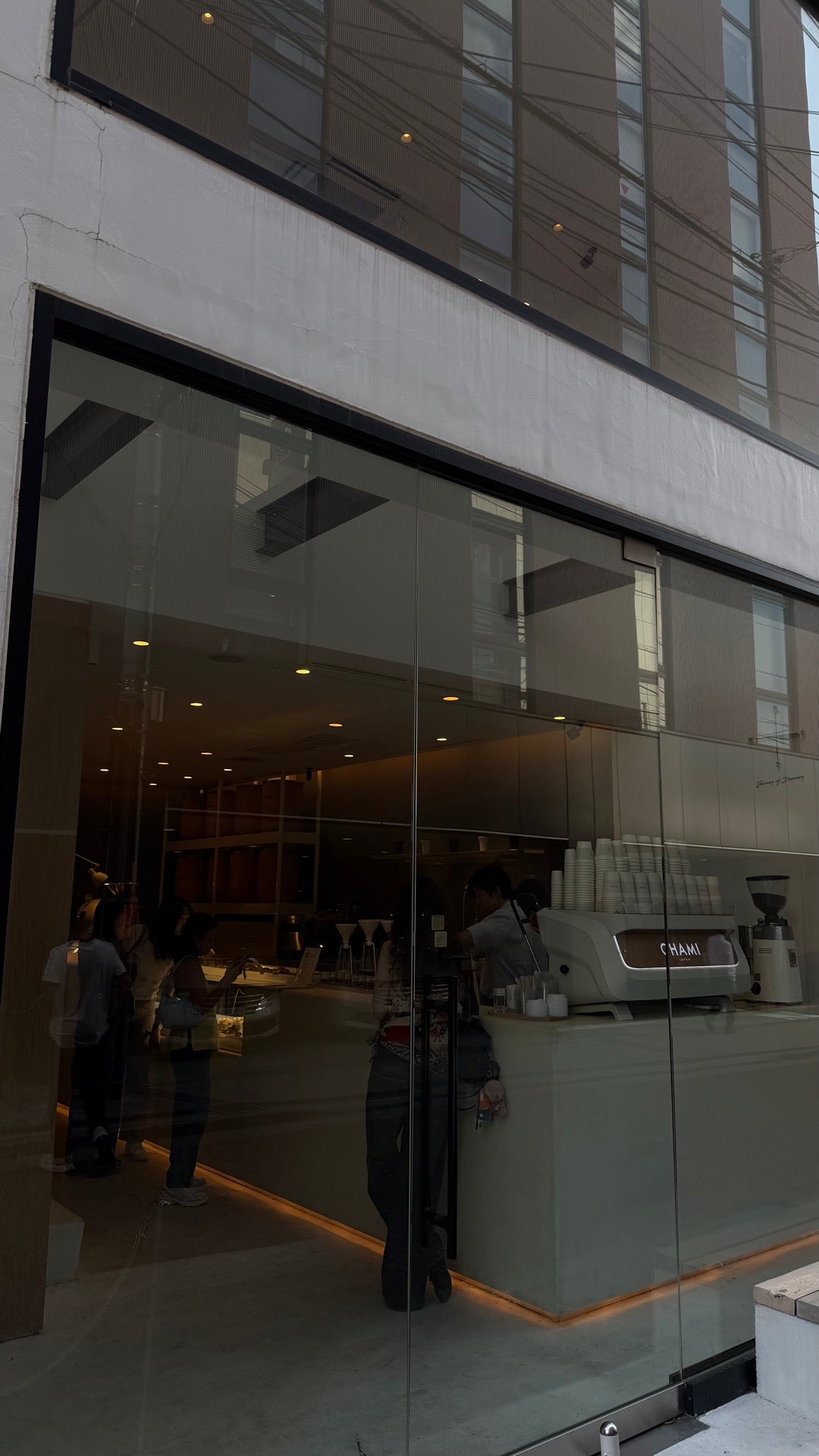
What to order and expect
As a roaster-cafe, CHAMI’s focus is single-origin beans, usually offered as pour-over or espresso-based drinks, with the bean selection rotating based on what’s freshly roasted that week. Expect the staff to talk you through origin and flavor notes if you ask. This is a place built around educating casual drinkers, not just serving quick caffeine. The space itself tends to draw as much attention as the drinks: exposed roasting equipment, clean minimalist interiors, and large windows that let in natural light are common features of this style of Japanese specialty roaster, and CHAMI leans into that aesthetic.
Bags of roasted beans are typically available for purchase, making it a solid stop for bringing home a souvenir that isn’t a keychain or a deer-themed snack. Seating is limited in most Naramachi cafes of this size, so solo visitors or pairs will have an easier time finding a spot than larger groups.
When to go
Mornings on weekdays are the safest bet for a relaxed visit, Naramachi cafes in general see a jump in foot traffic on weekends and during peak cherry blossom (late March–early April) and autumn foliage (November) seasons, when Nara Park draws heavy crowds that spill into the old town. If you’re visiting mainly for photos of the interior or want to chat with staff about the beans, arriving right after opening minimizes both the line and the noise. Plan for 30-45 minutes if you’re sitting down with a pour-over, less if it’s a quick to-go espresso.
Nearby & practical tips
Naramachi rewards slow walking, after coffee, look for the koshin-san monkey charms (red cloth dolls called migawari-zaru) hanging outside houses, a local folk tradition unique to this neighborhood. The Naramachi Koshi-no-Ie, a restored merchant house open to the public, is a few minutes’ walk away and gives useful context on the district’s Edo-period architecture. Since specialty roasters sometimes close for private roasting sessions or adjust hours seasonally, it’s worth checking current opening times online the same day.
Bring a tote or extra bag if you plan to buy beans, bringing home 100-200g of freshly roasted single-origin coffee is a lighter, more distinctive souvenir than most tourist shop offerings in the area.
Frequently asked questions
How do I get to CHAMI from central Nara?
Walk about 15-20 minutes from Kintetsu Nara Station through the Naramachi old town, or use Yanagi-Chaya Station on the Kintetsu line, which sits a bit closer to the address at 6-2 Tsunofurishinyachō.
How much time should I budget for a visit?
Around 30-45 minutes if you're sitting down for a pour-over and chatting about bean origins; 10-15 minutes if you're grabbing an espresso to go or just buying roasted beans.
Is CHAMI easy to combine with temple sightseeing?
Yes — it's within a 20-30 minute walk of Nara Park, Todai-ji, and Kasuga Taisha, so it works well as a coffee break before or after a temple loop.
What's the best time to visit to avoid crowds?
Weekday mornings, ideally right after opening. Weekends and the cherry blossom (late March-early April) and autumn foliage (November) seasons bring the heaviest crowds to nearby Nara Park, which spills into Naramachi cafes.
Can I buy the coffee beans to take home?
As a roaster, CHAMI typically sells bagged beans of its rotating single-origin selection, making it a good spot to pick up a distinctive souvenir — bring a bag or tote if you plan to buy some.
Plan your trip to Nara
Japan eSIM & staying connected →
Some links above are affiliate links — if you book through them, Wander Atlas earns a small commission at no extra cost to you. It's how we keep every guide free.