Why go
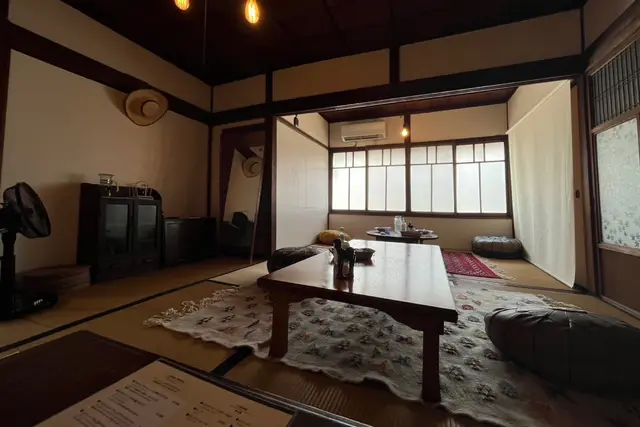
Mizuya Chaya sits deep inside Nara Park’s cedar forest, on the stone-paved path leading up to Kasuga Taisha, one of Japan’s most important Shinto shrines and a UNESCO World Heritage Site. The restaurant occupies a weathered, thatched-roof building that feels closer to a mountain teahouse than a city restaurant, low wooden benches, sliding screens, and views onto moss and stone lanterns.
With a 4.7 rating from over 1,200 reviews, it’s become something of an institution for visitors who want a break from sightseeing without leaving the forest atmosphere. It’s not a destination restaurant in the culinary sense; it’s a destination because of where it is and how it feels to eat there.
Getting there
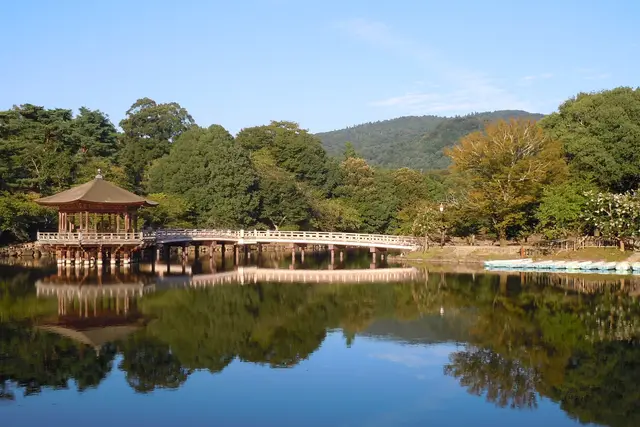
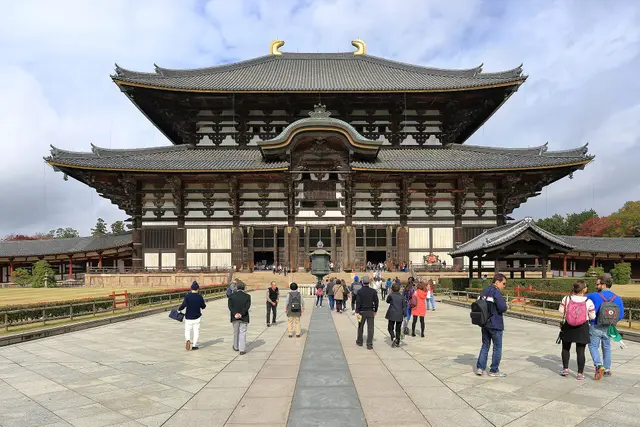
Mizuya Chaya’s address is 30 Kasuganochō, Nara, placing it along the approach to Kasuga Taisha inside Nara Park. The most common way to reach it is on foot: from JR Nara Station or Kintetsu Nara Station, walk into Nara Park (roughly 15–20 minutes from Kintetsu Nara, a bit longer from JR Nara), passing Todai-ji’s Nandaimon Gate and the open lawns where the park’s famous free-roaming deer graze.
Follow the signed path toward Kasuga Taisha, Mizuya Chaya appears on the left along a stretch lined with stone lanterns (toro), one of the largest collections of stone lanterns in Japan. If walking from Kintetsu Nara Station, plan on 25–30 minutes total; taxis from either station take about 10 minutes but drop you a short walk from the actual building since the path is pedestrian-only in its final stretch.

What to eat
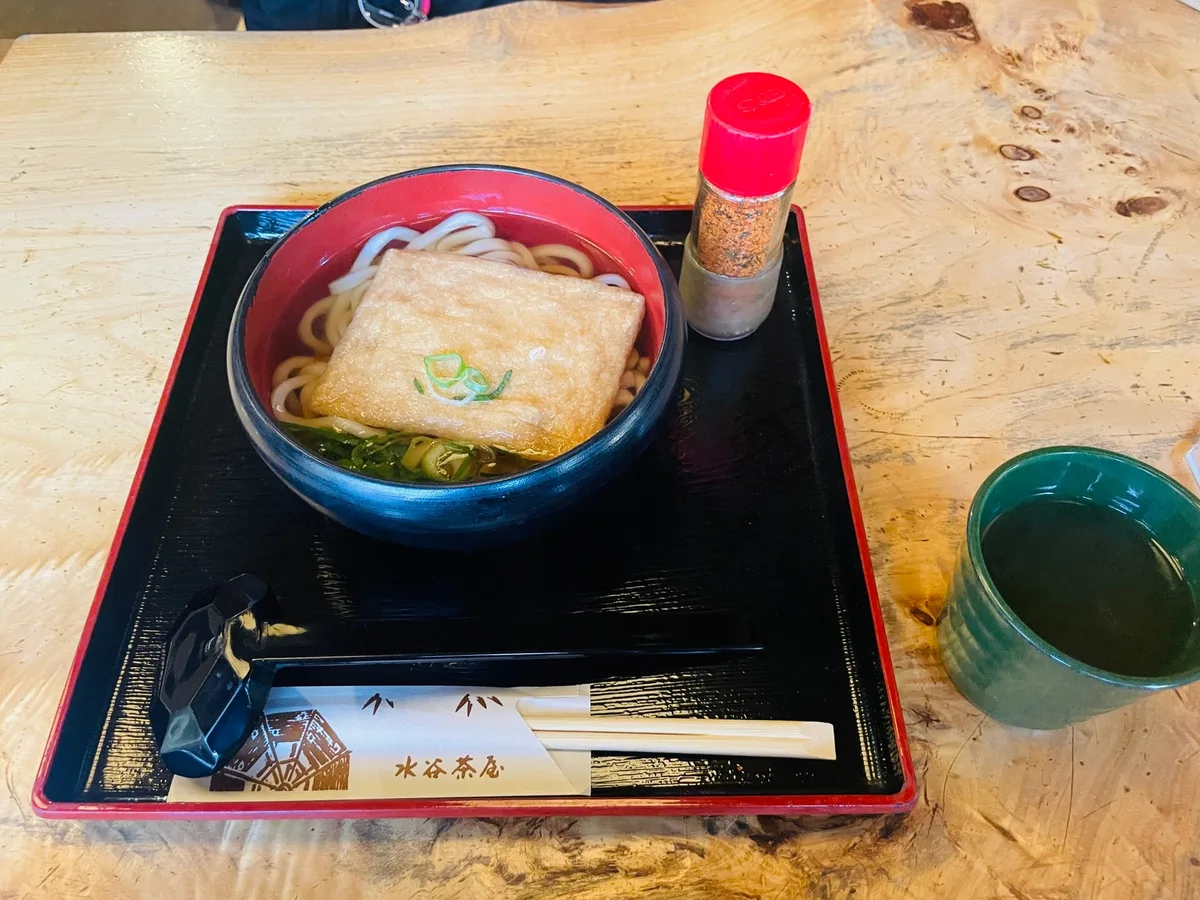
The signature order here is warabimochi (bracken-starch mochi dusted in roasted soybean powder (kinako), and often served with kuromitsu (black sugar syrup). It’s a classic Nara-Kyoto regional sweet, and Mizuya Chaya’s version, eaten on a wooden bench overlooking the forest, is the reason many visitors detour here. Beyond sweets, the menu runs to simple noodle dishes) chilled somen in summer, warm udon in cooler months, and set meals that pair noodles with small side dishes, the kind of unfussy food meant to refuel walkers rather than headline a food itinerary.
Price level is moderate, consistent with a casual teahouse rather than a formal restaurant. Seating is mostly outdoor or semi-outdoor on wooden platforms, so it’s weather-dependent, lovely in spring and autumn, muggy in peak summer.
When to go
Aim for a late morning or off-peak afternoon (around 2:30–3:30pm) to avoid the lunch crush, since the seating area is limited and shared with a steady flow of Kasuga Taisha visitors. Autumn (November) brings striking maple color to the surrounding forest, and spring (late March–April) overlaps with cherry blossoms in Nara Park, making both seasons popular. Expect waits. Winter is quieter and the bare trees make the stone lanterns and thatched roof more visible, but outdoor seating gets cold.
As with most teahouses attached to shrine paths, hours tend to follow daylight and can shift seasonally, so confirm current opening times before making it a fixed stop.
Nearby & tips
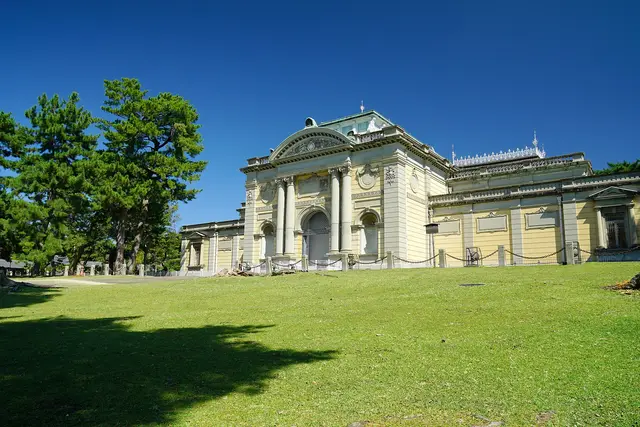
Pair a visit with Kasuga Taisha itself, a five-minute walk further uphill, famous for its bronze lanterns and vermilion corridors. The Kasuga Taisha Botanical Garden and the Nara National Museum are both within a 15–20 minute walk back toward the station. Keep food away from the sika deer nearby, they will approach for warabimochi wrappers and paper bags, and keep an eye on belongings if you set them on the outdoor benches.
Cash is a safer bet than cards at small teahouses like this, and English menus, while often available, may be limited, so pointing at photos or asking staff to recommend “kinako mochi” is a reliable fallback.
Frequently asked questions
How do I get to Mizuya Chaya?
Walk into Nara Park from Kintetsu Nara Station (about 25–30 minutes) or JR Nara Station (a bit longer), heading toward Kasuga Taisha. The teahouse sits directly on the approach path, among the stone lanterns, just before the shrine itself.
What should I order?
The warabimochi (bracken-starch mochi with kinako soybean powder and black sugar syrup) is the signature dish. For a fuller meal, go with the udon or somen noodle sets.
How much does it cost?
It's a moderate price level for a light meal or sweets set — inexpensive by Western restaurant standards but a step above a street snack.
How long should I plan to stay?
30–45 minutes is typical for a tea and sweets break; a bit longer if you order a full noodle set and want to linger over the forest view.
What else is nearby?
Kasuga Taisha is a five-minute walk further up the path, and Todai-ji, Nara Park's deer meadows, and the Nara National Museum are all within a 15–20 minute walk back toward central Nara.
Plan your trip to Nara
Japan eSIM & staying connected →
Some links above are affiliate links — if you book through them, Wander Atlas earns a small commission at no extra cost to you. It's how we keep every guide free.