Yoshikien Garden: Nara Travel Guide (4.6★)
When to visit Japan: month-by-month weather, crowds and holidays →
✓ Facts verified via Google Places · Sep 17, 2026
At a glance
Opening hours
- Monday: 9:00 AM – 5:00 PM
- Tuesday: 9:00 AM – 5:00 PM
- Wednesday: 9:00 AM – 5:00 PM
- Thursday: 9:00 AM – 5:00 PM
- Friday: 9:00 AM – 5:00 PM
- Saturday: 9:00 AM – 5:00 PM
- Sunday: 9:00 AM – 5:00 PM
Live foot-traffic data via BestTime.app
How this guide is made
Produced with AI assistance and reviewed against live data sources. Facts such as hours, ratings, and location come from Google Places; images are licensed or public domain. Details can change — please verify before visiting. Editorial policy
You almost walk past the entrance without noticing it. Yoshikien sits tucked beside its more famous neighbor, Isuien Garden, on a quiet lane near Nara Park’s northern edge, and there’s rarely a crowd at the gate to tip you off.
That’s the appeal. While tour buses empty out at Todai-ji a few minutes’ walk away, Yoshikien stays hushed, its gravel paths crunching underfoot and its ponds barely rippling.
Why this garden, and not the famous one next door
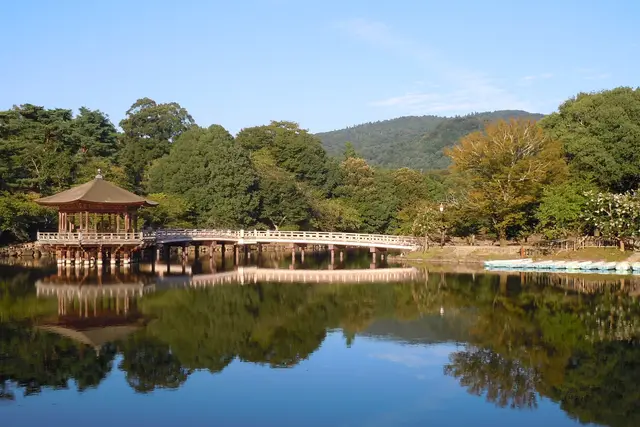
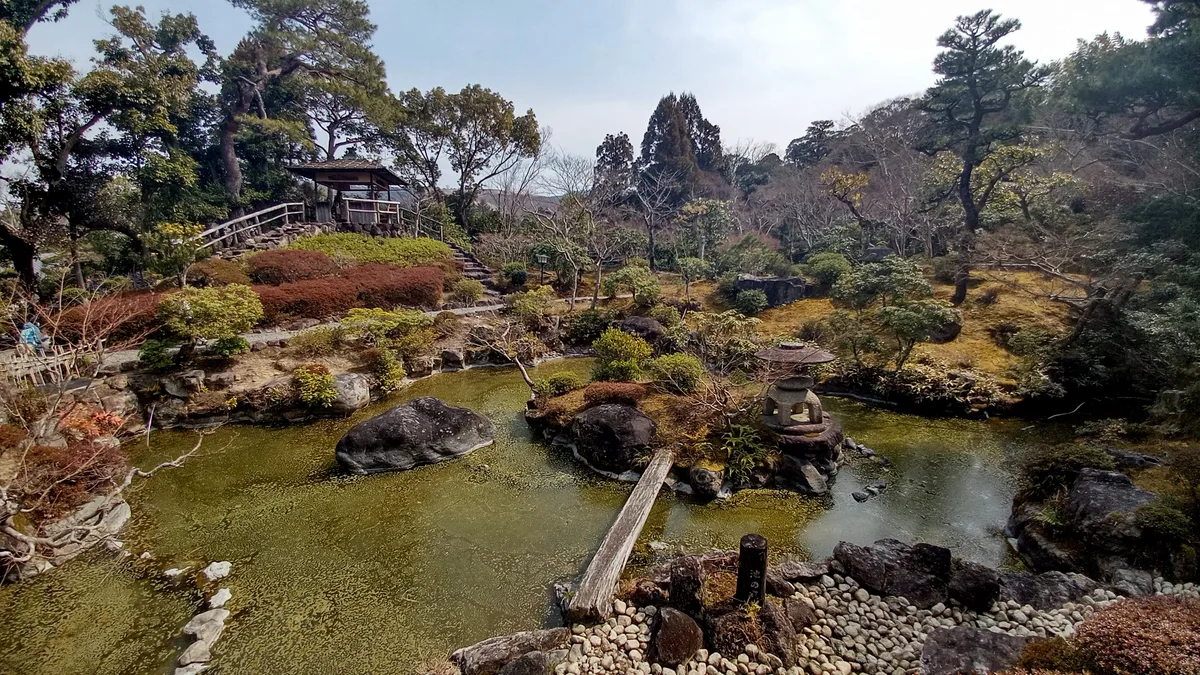
Yoshikien isn’t one garden but three, laid out side by side on the same grounds. There’s a pond garden with stepping stones and a red-painted bridge, a moss garden shaded by maples, and a tea ceremony garden centered on a rustic wooden teahouse.
Each style shifts the mood completely as you move between them. The moss garden in particular has that deep, almost velvet-green carpet that Kyoto gardens get famous for, minus the crowds.
Isuien next door is older and more manicured, borrowing the hills of Mount Wakakusa into its view. Yoshikien is scrappier, quieter, and, as of recent years, free for overseas visitors, which makes pairing both an easy, low-cost afternoon.
Getting there
Yoshikien sits at 60-1 Noboriōjichō, an easy walk from central Nara. From JR Nara Station or Kintetsu Nara Station, it’s roughly a 20–25 minute walk straight through Nara Park.
Most visitors combine it with nearby sights on foot:
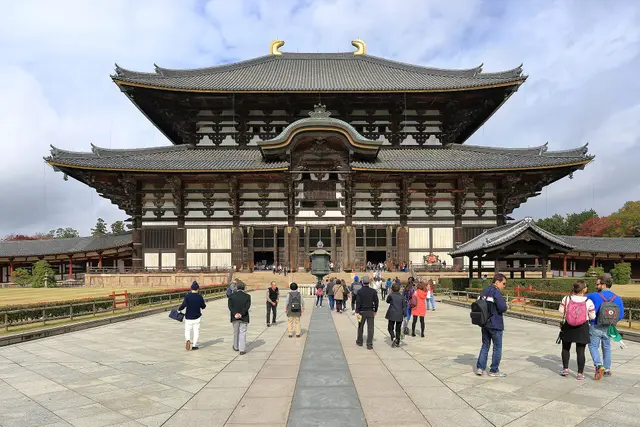
- Todai-ji’s Great Buddha Hall, 5–10 minutes
- Isuien Garden, right next door
- Kasuga Taisha, 15–20 minutes further on
- Nara Park’s deer meadows, surrounding the whole route
There’s no train station directly at the garden, so budget the walk into your day rather than relying on transit right to the gate.

What you’ll actually see
The teahouse is the visual anchor of the whole property, its dark timber and paper screens framed by clipped shrubs and a still pond. You can sit on the veranda and look out at koi drifting under lily pads.
Paths loop between the three gardens without much signage, which is part of the charm. You’re meant to wander, not follow arrows. Benches appear at just the right moments, usually facing a pond or a particularly good stand of maples.
Autumn is when Yoshikien earns its reputation. Maple color usually peaks in late November, when the moss garden and pond reflect a rush of red and orange overhead.
Spring brings fresh green and occasional plum or cherry blossom along the edges, though it’s less of a headline event here than the autumn foliage.
When to go
The garden opens daily during standard daytime hours, with last entry typically around 4:30pm, worth checking on arrival. Weekends get busiest between noon and 3pm, exactly when day-trippers from Osaka and Kyoto pass through Nara Park.
If you’re visiting on a weekend, the calm window is 4pm to 5pm, right before closing, when the light goes gold and the crowds have thinned to almost nobody. Weekday mornings shortly after opening are also a safe bet, before the tour groups finish breakfast and head this way.
How to visit like a local
Locals treat Yoshikien as a decompression stop after the intensity of Todai-ji and the deer crowds, not a headline destination, visit it in that spirit. Go late afternoon, especially near closing, for the emptiest paths and softest light.
Bring your passport or ID. As an international visitor, you typically get free admission, unlike domestic guests who pay a small entry fee. The staff at the gate will ask.
Pace yourself: this isn’t a garden to rush through in ten minutes. Thirty to forty-five minutes lets you sit at the teahouse veranda rather than just photograph it.
Wear shoes you can slip off easily if you enter the tea house structure, and keep voices low. It’s a contemplative space, not a photo-op backdrop. Cash isn’t really needed once inside; the ticket process at the entrance is simple and quick.
Skip the gift-shop instinct. There isn’t much of one here, and that’s rather the point.
Frequently asked questions
Is Yoshikien Garden free to visit?
Yes, for international visitors — overseas tourists currently get free admission with ID, while Japanese domestic visitors pay a small entry fee at the gate. Policies can change, so confirm on arrival.
How do I get to Yoshikien Garden from Nara Station?
It's about a 20–25 minute walk from JR Nara or Kintetsu Nara Station, heading through Nara Park past the deer meadows toward Todai-ji, with the garden just beyond Isuien Garden.
When is the quietest time to visit?
On weekends, 4pm–5pm is calmest, right before closing. Avoid weekend midday, especially 12pm–3pm, when it's busiest with day-trippers.
How long should I spend at Yoshikien?
Plan for 30–45 minutes to walk all three gardens and sit at the teahouse veranda; add more if you're pairing it with Isuien next door.
What's the best season to see Yoshikien?
Late November for peak autumn maple color is the standout season, though spring's fresh greenery and occasional blossoms are also worth seeing.
Plan your trip to Nara
Some links above are affiliate links — if you book through them, Wander Atlas earns a small commission at no extra cost to you. It's how we keep every guide free.