A town that stays in character
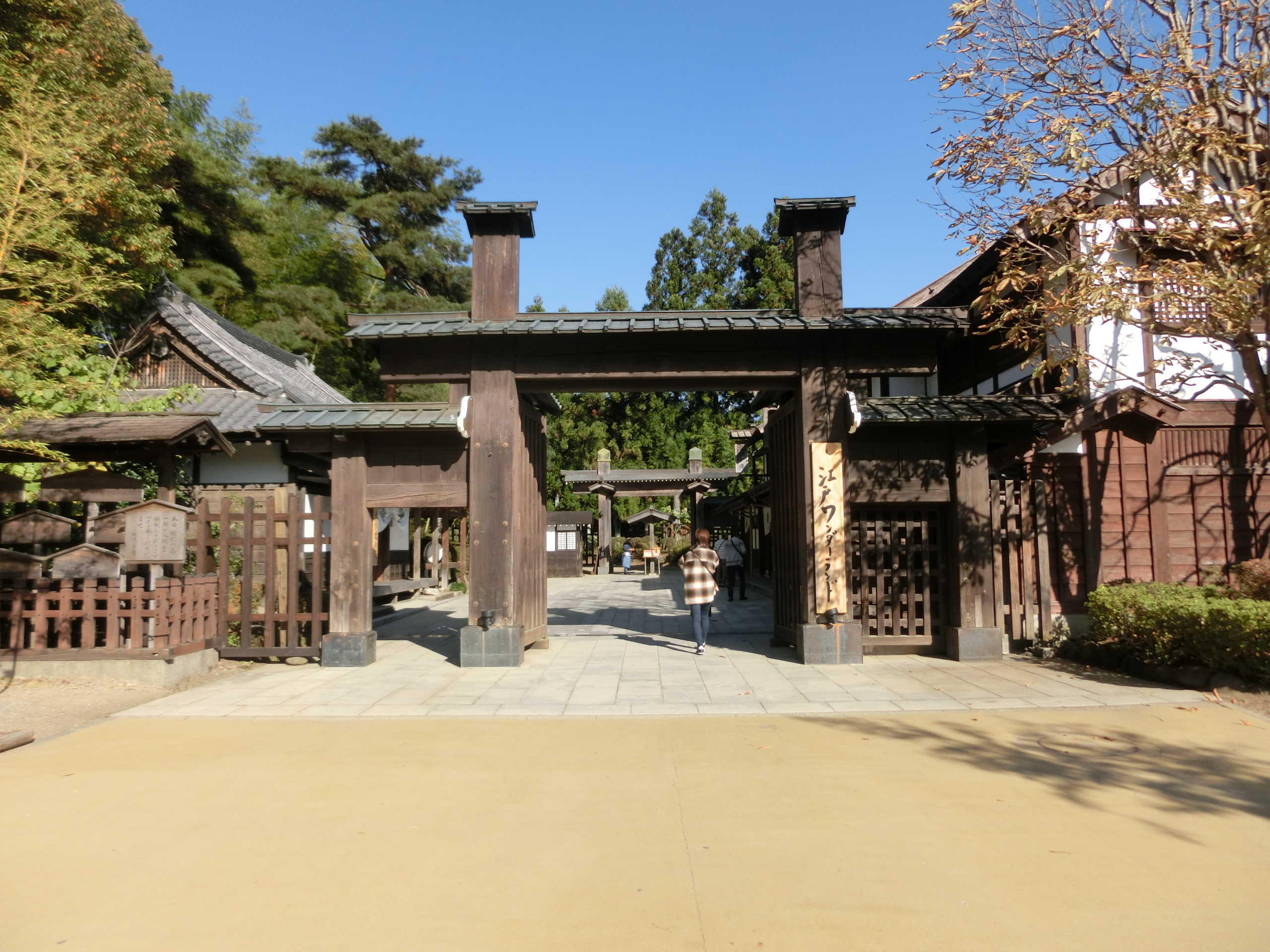
Walk through the gate and the century changes. Wooden merchant houses line unpaved streets, and the staff wear kimono, samurai gear or a townsman’s cotton. They play their roles as you pass.
Edo Wonderland Nikko Edomura recreates Japan’s Edo period, the roughly 260 years of Tokugawa rule from 1603 to 1868. It sits in Karakura, in the Kinugawa side of Nikko city. Plenty of people drive up from Tokyo for the day, so don’t expect it to be empty.
The park is well visited and consistently well rated. Most of the praise comes from people who went to the shows and joined in, not from those who only wandered around. Treat it as a timetable of performances with a town around them.
Getting to Karakura from Kinugawa Onsen
Tobu Railway runs the obvious route. Limited express trains leave Asakusa in Tokyo for Kinugawa-Onsen Station on the Tobu Kinugawa Line, and the trip takes about two hours. Some trains also run through from JR Shinjuku.
From Kinugawa-Onsen Station, local buses and taxis cover the short run to the park. Shin-Takatoku Station, one stop back on the same line, is the closest station on foot. The walk from there is manageable if you don’t mind a bit of road.
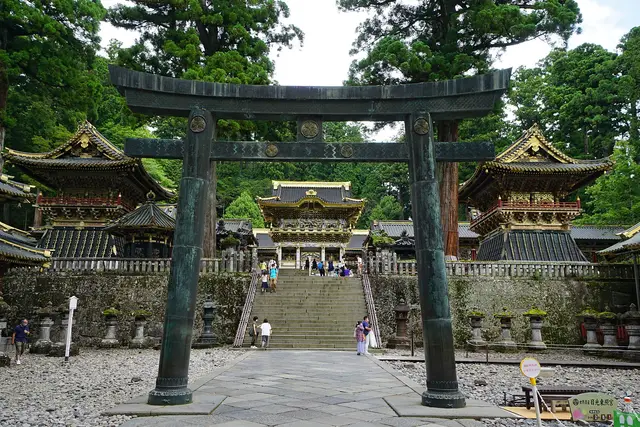
A car is easy too. The park is at 470-2 Karakura, and it pairs well with Tobu World Square, the miniatures park a few minutes along the valley. Nikko’s shrine area, including Toshogu, is a separate trip further west. Don’t try to fit it in the same afternoon.
Shows worth planning around
The performances are why you come. The theatres here stage ninja action, comedy and period drama, and most shows are in Japanese. The stunts, sword work and slapstick still land without the dialogue.
Pick up the day’s show schedule at the entrance and circle what matters before you set off. Sets run through the day, and the popular theatres fill before start time. Arriving just as the doors close usually means standing at the back.
Between shows, the workshops and games fill the gaps. Expect hands-on activities like:
- throwing shuriken at a target
- archery at traditional stalls
- getting lost in a ninja-style trick house or maze
- crafts and period games along the main street
The oiran procession
The best-known show happens in the street itself. The oiran dochu recreates the parade of a high-ranking courtesan through the pleasure quarter, with attendants, a slow ceremonial walk and very tall black lacquered geta.
The oiran moves her feet in a sweeping figure-eight step. In high clogs that is harder than it looks, and it’s the detail most people stop to watch. The route is short and the crowd along it gets deep fast.
Check the schedule for when it starts and stake out a spot along the street a little early. Spectators near the front often end up in the photos everyone else is taking.
Dressing the part
Costume rental lets you join the cast. You can hire an outfit for the day, whether samurai, ninja, townsperson or merchant’s daughter, and walk the streets in it. Staff tend to treat costumed guests as fellow residents, which makes the play-acting easier.
Rent early if this is on your list. Changing takes time, and you want the costume for the shows rather than the last hour before closing. Keep your own shoes in mind if the outfit comes with sandals; the streets are gravel and packed earth in places.
Playing along with the townsfolk
Everyone here is performing, and the day improves when you perform back. Staff speak in period style and sometimes pull visitors into a bit. A small bow and going along with the joke gets more out of them than a blank stare.
A few habits that help:
- Ask before close-up photos of individual performers outside a show. A gesture at your camera and a nod is enough.
- Keep quiet in the theatres. Talking over a scene is as rude here as at any Japanese playhouse.
- Queue properly. Lines for shows and activities are orderly and single-file, and nobody saves spots for friends still at lunch.
- Check the official website on payment. Card and cash rules differ between the gate, rentals and street food stalls, so carry some yen as backup.
Tipping isn’t done in Japan, and that includes performers. Applause and laughing at the right moments are the currency.
Timing a day: Wednesdays and weekends
Opening hours are 9am to 5pm, and the park is closed every Wednesday. That trips up people who plan a midweek Nikko loop, so check your dates.
Weekends are busiest between 10am and 4pm, which is most of the day. Try not to arrive at 10:30 on a Saturday. By then the first theatres are filling and the costume desk has a queue.
Be at the gate for the 9am opening instead. You can do rentals and the first show before the crowd builds. Give it at least half a day, and a full day if you want most of the shows. Stay overnight in Kinugawa Onsen and a soak in the river-valley ryokan baths closes out the trip.
Frequently asked questions
When is the quietest time to visit Edo Wonderland Nikko Edomura?
On weekends it's busiest between 10am and 4pm, so avoid arriving mid-morning on a Saturday or Sunday. Your best move is to arrive at the 9am opening, before the crowds build. There's no quiet-hour data for weekdays, but remember the park is closed on Wednesdays.
How do I get there from Tokyo?
Take a Tobu limited express from Asakusa to Kinugawa-Onsen Station, about two hours. From there it's a short bus or taxi ride to Karakura. Shin-Takatoku Station, one stop earlier on the Tobu Kinugawa Line, is the closest station for walking.
What days and hours is it open?
It opens 9am to 5pm on Monday, Tuesday and Thursday through Sunday. It is closed on Wednesdays.
Are the shows understandable without Japanese?
Most dialogue is in Japanese, but the ninja action, sword fights, slapstick and the oiran procession are visual enough to enjoy without it. Grab the show schedule at the entrance to plan your day.
What else is nearby?
Tobu World Square, the miniatures park, is a few minutes along the same valley, and the hot-spring town of Kinugawa Onsen is next door. Nikko's shrine area, including Toshogu, is further west and works better as its own day.
Plan your trip to Nikko
Some links above are affiliate links — if you book through them, Wander Atlas earns a small commission at no extra cost to you. It's how we keep every guide free.