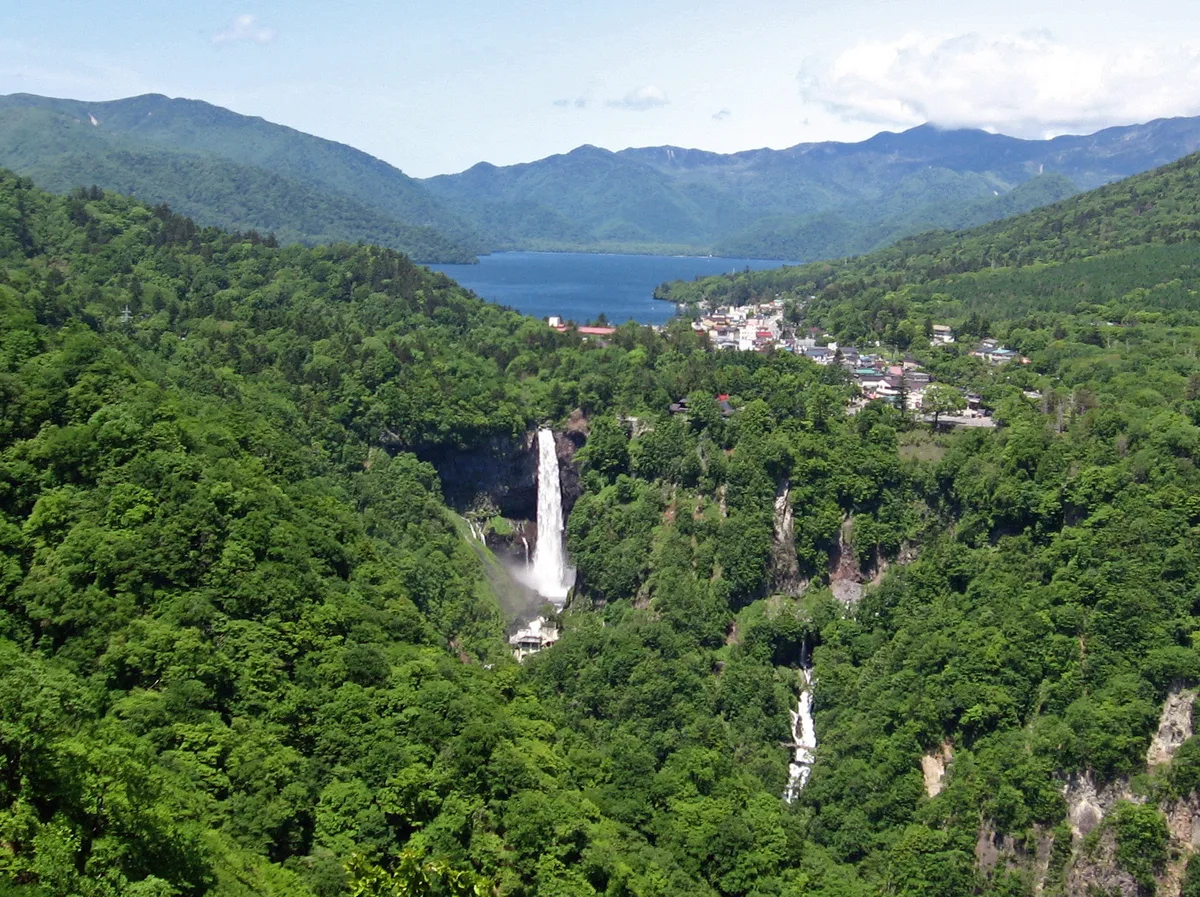
The moment the road switches back up the Irohazaka slope, ears popping, you understand why this park is a different trip from the temple town below. Cedar gives way to birch, the air cools, and Lake Chuzenji appears through the trees like a sheet of hammered pewter.
Why Nikko National Park is worth the climb
Most visitors stop at Toshogu Shrine and call it a day. That’s a mistake. The national park stretches west into volcanic terrain shaped by Mount Nantai, a still-simmering presence that dammed the Daiya River centuries ago and created Lake Chuzenji.
Beyond the lake lies Senjogahara, a high wetland plateau crossed by wooden boardwalks, and further on, the sulfur-scented hot spring hamlet of Yumoto. Waterfalls, marshes, and thin mountain air replace the crowds and souvenir shops of downtown Nikko.
Getting there and getting around
Buses run from Tobu Nikko or JR Nikko stations up to Chuzenji Onsen, Ryuzu Falls, Senjogahara, and Yumoto Onsen, the same road climbing through the Irohazaka switchbacks. Driving is an option too, though the descent’s hairpin curves demand full attention.
Budget at least a half-day if you’re only seeing Kegon Falls and the lakeshore. For Senjogahara’s boardwalks and Yumoto’s hot springs, give yourself a full day.
- Kegon Falls: short walk from the Chuzenji Onsen bus stop, with an elevator down to a viewing platform
- Senjogahara: trailheads near Ryuzu Falls or Yumoto, roughly 1.5–3 hours depending on route
- Yumoto Onsen: end of the bus line, sulfur-rich baths and a quiet lake of its own
What to see and do
Kegon Falls is the park’s signature sight, a tall column of water dropping from Lake Chuzenji’s outflow into a mist-filled gorge. Standing at the lower platform, you feel the spray before you hear the roar clearly, the sound arrives late, bouncing off wet rock walls.
Walk the Senjogahara boardwalks in autumn and the reeds turn the color of dry straw, ringed by peaks still holding patches of early snow. In spring, new shoots push through last year’s flattened grass, and the marsh smells faintly of wet earth and pine.
Yumoto Onsen’s baths are milky-white and distinctly sulfurous, fed by hot springs that have drawn bathers since the area was a temple retreat centuries ago. Many inns and public bathhouses welcome day visitors for a modest fee.
Ryuzu Falls, smaller and gentler than Kegon, splits into two cascades near a teahouse where you can pause for something to eat while watching the water braid over black rock.
When to go
The park is open 24 hours daily, but its facilities and buses run on their own schedules. Check current timetables before heading up, especially outside peak seasons. Late April to May brings fresh green and blooming azaleas; mid-to-late October brings the foliage crowds, when maples and birches turn the hillsides orange and red.
Winter transforms Yumoto into a quiet, snow-muffled retreat, though some trails and roads may close. Summer is cooler here than in Tokyo, making it a popular escape from the heat, but also the busiest season for the lake.
How to visit like a local
Because this is officially under-the-radar compared to Nikko’s shrine circuit, you can still find real quiet here if you time it right. Arrive at Kegon Falls or Senjogahara before 9am, ahead of tour buses working through their itineraries.
Pay for buses, parking, and bathhouse entry fees in cash. Many smaller facilities up here don’t take cards. At the onsen, follow standard Japanese bathing etiquette: wash and rinse thoroughly before entering the communal tub, and keep your towel out of the water.
The mistake most visitors make is treating Nikko as a single half-day trip from Tokyo and never leaving the shrine district. Stay overnight near Chuzenji or Yumoto instead, so you can catch the boardwalks and waterfalls in the soft light of early morning or early evening, once the day-trippers have headed back down Irohazaka.
Frequently asked questions
How do I get to Nikko National Park?
Take a bus from Tobu Nikko or JR Nikko station up to Chuzenji Onsen, Senjogahara, or Yumoto Onsen. The road climbs through the Irohazaka switchbacks; driving is also possible but the curves are tight.
How long should I spend in the park?
A half-day covers Lake Chuzenji and Kegon Falls. Add Senjogahara's boardwalks and Yumoto's hot springs and you'll want a full day, or an overnight stay.
When is the best time to visit?
Late April to May for fresh greenery and azaleas, mid-to-late October for autumn foliage. Summer is cooler than Tokyo but busier at the lake; winter is quiet but some roads and trails may close.
Is Nikko National Park crowded?
It's far less crowded than Nikko's shrine district. Arriving before 9am at Kegon Falls or Senjogahara puts you ahead of the tour buses that arrive later in the morning.
What else is nearby?
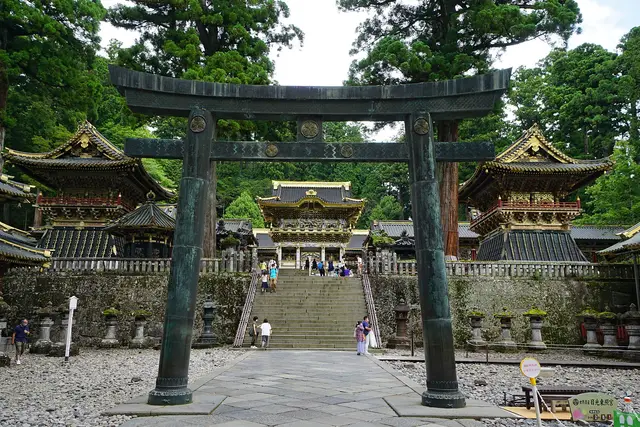
Toshogu Shrine and central Nikko's temple complex sit below the park at the base of the Irohazaka road, making a natural add-on before or after your visit up top.
Plan your trip to Nikko
Some links above are affiliate links — if you book through them, Wander Atlas earns a small commission at no extra cost to you. It's how we keep every guide free.