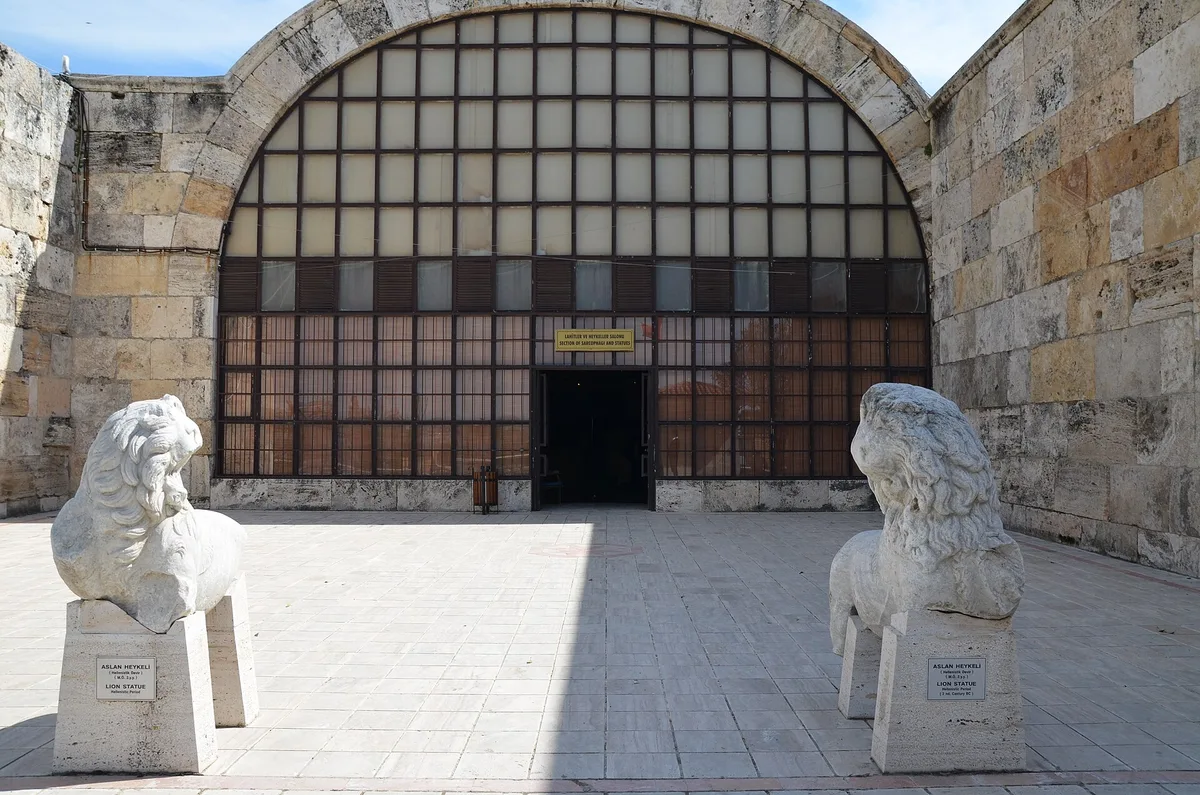
Why bother with a museum when you came for the terraces
Everyone arrives in Pamukkale for the white travertines and the milky blue pools cascading down the hillside, and it’s easy to treat the museum as an afterthought. That’s a mistake. The building itself is one of the surviving parts of the Roman baths complex, thick stone walls, barrel vaults, the kind of cool, shaded interior that feels like a relief after an hour walking across sun-baked calcium terraces.
You step out of the glare and into rooms that still carry the bones of the bathhouse: niches where statues once stood, arches that have held their shape for close to two thousand years.
What’s actually inside
The museum is organized into a few distinct halls rather than one long corridor. One large gallery is given over to sarcophagi and tomb reliefs pulled from the Hierapolis necropolis, one of the largest ancient cemeteries in Anatolia, carved with garlands, portrait busts, and funerary inscriptions still sharp enough to read the lettering. Another hall holds marble statuary: gods, emperors, athletes, some missing heads or arms in the way that makes you appreciate how much restoration and imagination goes into rebuilding these figures.
A smaller gallery is devoted to everyday and votive objects, coins, jewelry, glassware, terracotta figurines, and pieces brought in from Laodicea and Colossae, the other ancient cities of the Lycus Valley. Look for the theatre reliefs too; fragments of the stage decoration from the Hierapolis theatre are displayed here rather than left exposed to weather at the site.
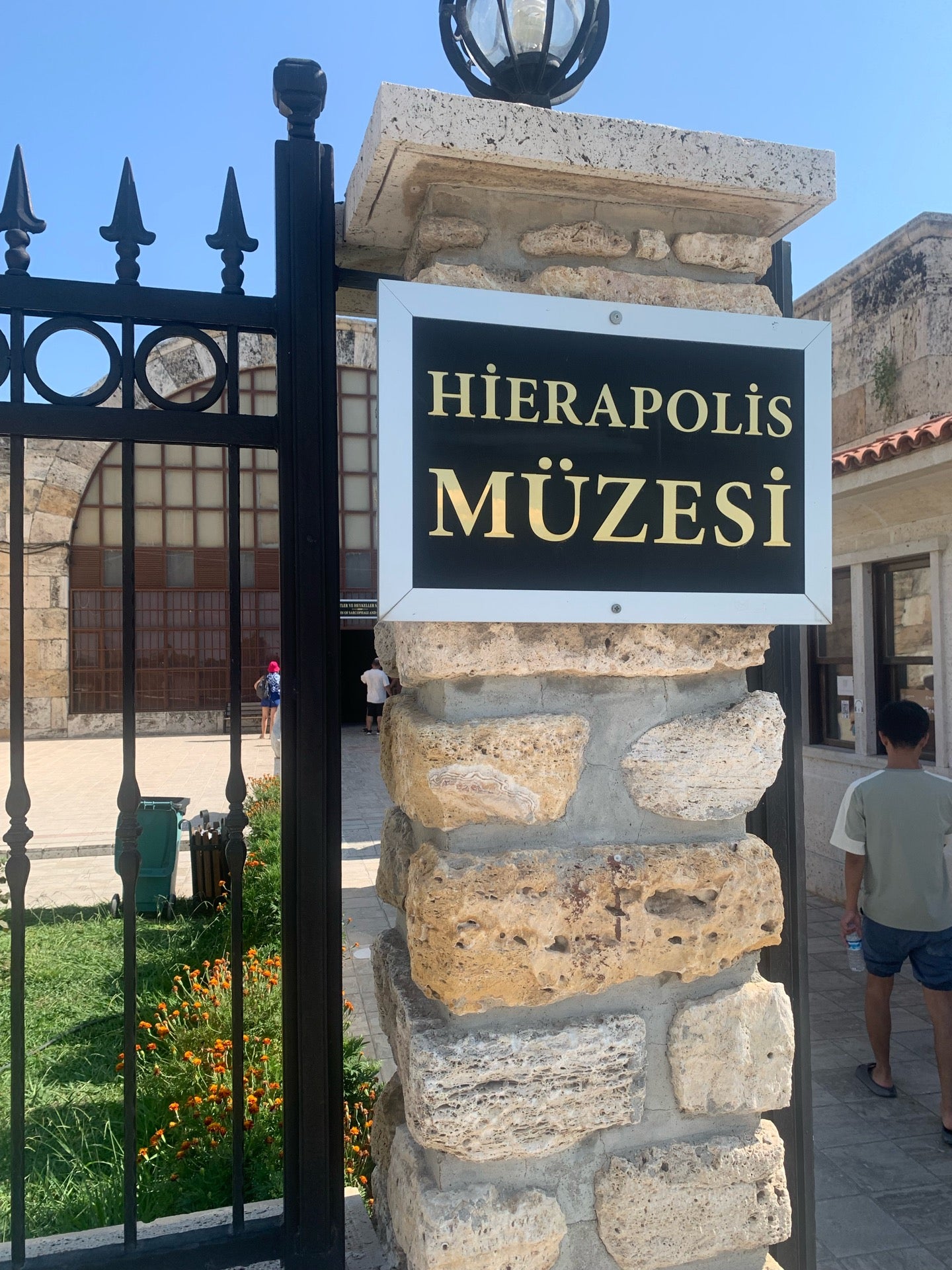
Getting there and timing your visit
The museum sits inside the Hierapolis-Pamukkale archaeological site, a short walk from the main theatre and not far from the Antique Pool (the submerged-column swimming pool). If you’re coming up via the south entrance near Karahayıt or the north entrance near Pamukkale village, you’ll pass close to it either way. It’s roughly in the middle of the ruined city, near the former bath-gymnasium complex.
Most visitors do the terraces first, walk up through the ruins, then loop past the museum near the end, which is sensible: your feet are tired of gravel and travertine by then, and the shaded rooms are a welcome change of pace. Plan on 45 minutes if you’re moving quickly, up to 90 if you like reading every placard and looking closely at the sarcophagi carving.
When to go
Pamukkale gets hot and crowded from late morning through mid-afternoon, especially in summer when tour buses from Denizli and coastal resorts converge on the site. The museum, being indoors and a few steps off the main tourist flow toward the terraces, is one of the calmer corners of the whole complex, travelers consistently rate it highly (4.6 stars over 1,200-plus reviews) partly because it never feels as swamped as the pools outside.
Early morning, right after the site opens, or the last couple of hours before closing tend to be quietest, and the light through the old bath windows is better for photos then too.
How to visit like a local
Buy your entrance thinking of it as two-tier: the general Hierapolis-Pamukkale site ticket gets you into the ruins and terraces, but the museum has traditionally required its own small additional ticket at the door (check current pricing when you arrive rather than assuming it’s bundled. Pay in cash or card at the counter; nobody tips at Turkish museums. There’s no reservation system and no real queue to speak of, since the crowds are all outside at the terraces) this is one part of the site you can walk into without any advance planning.
The etiquette is simple: no flash photography near the more fragile marble pieces, and keep voices down in the sarcophagi hall, which doubles as a quiet respite for the museum staff as much as visitors. The mistake most tourists make is skipping the museum entirely because they’ve spent all their energy on photos at the terraces, but spending even half an hour here gives context to everything you just walked through, turning scattered column stumps and empty plinths at the site into recognizable gods, athletes, and Hierapolis citizens whose faces are now indoors, out of the weather, and much easier to actually see.
Frequently asked questions
Is the museum included in the Hierapolis-Pamukkale entrance ticket?
Not automatically — the main site ticket covers the terraces and ruins, but the museum has typically charged its own small separate entrance fee. Confirm current pricing at the gate since ticketing arrangements can change.
How long should I plan to spend there?
About 45 minutes for a focused visit, up to 90 minutes if you want to read the inscriptions and study the sarcophagi and statuary closely.
Where exactly is the museum located within the site?
It's housed in the former Roman bath (thermae) building roughly in the middle of the Hierapolis ruins, close to the theatre and not far from the Antique Pool, at Sümer Mahallesi, 2259. Sokak No:12 in Pamukkale/Denizli.
When is the best time to visit to avoid crowds?
Early morning right after opening or later in the afternoon before closing — the museum is already quieter than the terraces since most visitors bypass it, and these windows are calmest of all.
What should I see nearby afterward?
Pair the museum with the Hierapolis theatre, the necropolis (tomb-lined road), and the Antique Pool, all within walking distance inside the same archaeological site.
Plan your trip to Pamukkale
Turkey eSIM & staying connected →
Some links above are affiliate links — if you book through them, Wander Atlas earns a small commission at no extra cost to you. It's how we keep every guide free.
Related guides
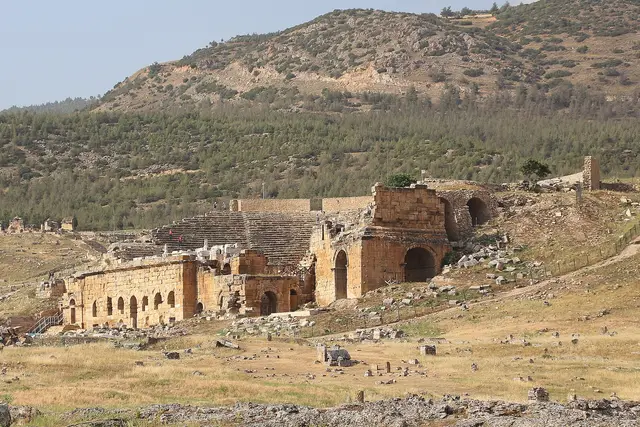 attraction
 Hierapolis Ancient Theater: Pamukkale Travel Guide (4.9★)
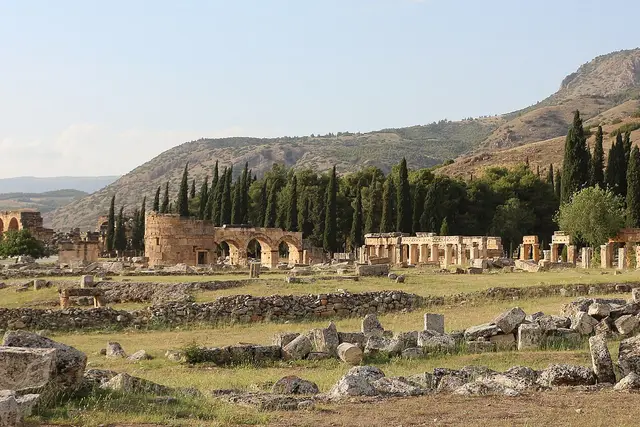 hidden gem
 Hierapolis: Pamukkale Travel Guide
 attraction
 Ancient City of Telmessos: Fethiye Travel Guide (4.5★)
 attraction