
Turkey · Region
Pamukkale
Pamukkale ("Cotton Castle") is renowned for its cascading white travertine terraces filled with warm, mineral-rich pools, set directly beside the sprawling Roman-era ruins of Hierapolis, a UNESCO World Heritage Site. The result is a rare pairing of a striking natural mineral landscape with ancient theatre, necropolis and bathhouse ruins in a single walkable site.
Top attractions
 attraction
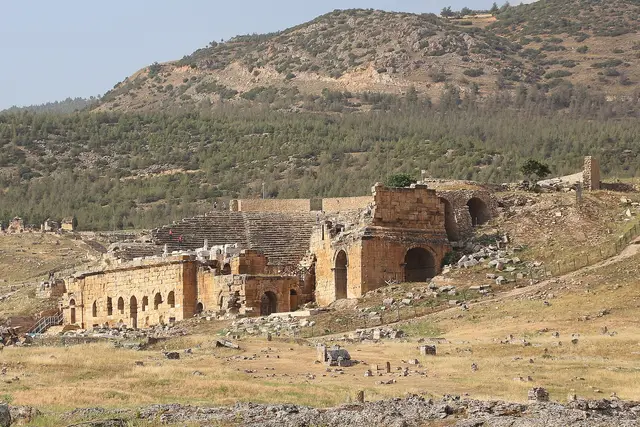
Hierapolis Ancient Theater: Pamukkale Travel Guide (4.9★)
Hierapolis Ancient Theater sits on the hillside above the travertine terraces of Pamukkale, and it's the best-preserved Roman-era theater in the region — come for the stage building, still standing two stories high, and the view back over the white terraces and Denizli valley. 4.9★ (4,887 reviews) — what visitors say, hours, and tips.
 attraction
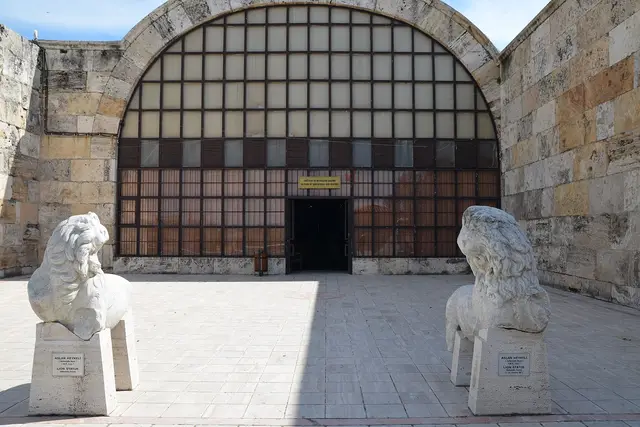
Hierapolis Archaeological Museum: Pamukkale Travel Guide
The Hierapolis Archaeological Museum sits inside the old Roman baths (thermae) just north of the travertine terraces, and it's worth 45-60 minutes on the way to or from the ruins.
Top-rated things to do in Pamukkale
Booking links are affiliate links — booking through them supports our free guides at no extra cost to you.
Where to stay in Pamukkale
Compare Pamukkale hotels and stays at the lowest price — deals, ratings, and real traveler reviews.
Search hotels in Pamukkale →Booking links are affiliate links — booking through them supports our free guides at no extra cost to you.
Plan your trip to Pamukkale
Turkey eSIM & staying connected →
Some links above are affiliate links — if you book through them, Wander Atlas earns a small commission at no extra cost to you. It's how we keep every guide free.
When to visit Turkey: month-by-month weather, crowds and holidays →
Frequently asked questions about Pamukkale
What is Pamukkale known for?
Pamukkale ("Cotton Castle") is renowned for its cascading white travertine terraces filled with warm, mineral-rich pools, set directly beside the sprawling Roman-era ruins of Hierapolis, a UNESCO World Heritage Site. The result is a rare pairing of a striking natural mineral landscape with ancient theatre, necropolis and bathhouse ruins in a single walkable site.