
A bronze king under a gilded spire
The focal point is a statue. Just east of the Independence Monument, on the wide strip of park running along Sihanouk Boulevard, a bronze Norodom Sihanouk stands beneath a tall, pointed pavilion. Its design borrows from the temple spires you see all over the city. On October 15 this is where Phnom Penh comes to remember him.
The day marks the anniversary of his death in Beijing on 15 October 2012. Cambodians often call him Samdech Euv, “the King Father”. You hear that name constantly on this date, on state television, in the newspapers and at the foot of the statue.
What the day means
Sihanouk was the defining figure of modern Cambodia. He led the country to independence from France in 1953, and the Independence Monument, completed in 1958, stands for that achievement. He was king, prince, head of state and king again. He abdicated in 2004 in favour of his son, King Norodom Sihamoni.
The commemoration is solemn rather than festive. Expect these things:
- Buddhist monks chanting and receiving offerings
- Wreaths and floral tributes laid by officials
- Framed portraits of the King Father, often draped in white
- Incense and lotus offerings left by ordinary visitors
Banks, government offices and schools close for the national holiday. Many markets, cafés and restaurants keep trading.
Where the ceremonies happen
There is no single ticketed venue. The official remembrance takes place in central Phnom Penh, in the stretch between the Independence Monument and the Royal Palace. Government ministries and the royal household lead it.
- King Father Norodom Sihanouk statue, east of the Independence Monument at the junction of Norodom and Sihanouk Boulevards. This is the main public gathering point.
- The Royal Palace and Silver Pagoda on Sothearos Boulevard, facing the riverfront. Royal stupas stand in the Silver Pagoda compound.
- Wat Ounalom and other riverside pagodas, which hold their own merit-making for the King Father.
The Royal Palace sets its own visitor access on royal ceremonial days. The ticket office at the palace gate posts the current arrangements.
Paying respects at the statue
Treat the statue as a shrine. Locals approach it as one.
People usually come in white or black, the colours of mourning in Cambodia. Shoulders and knees are covered. Vendors at the park’s edge often sell flowers and incense, and visitors light their incense, hold it at chest height, bow three times and place it in the sand trays or holders. Lotus buds and jasmine garlands go at the base.
A few things that matter here:
- The sampeah, palms pressed together at the chest, is the polite greeting and gesture of respect near the statue.
- Photos are fine from a respectful distance. Posing playfully in front of the King Father’s image comes across badly.
- During the official ceremony, the area round the statue is usually cordoned off for dignitaries. The public typically gathers after the formal part ends.
- At any pagoda, shoes come off at the temple door, and women do not touch monks or hand things to them directly.
Moving around on the holiday
Most of the city’s traffic snarl eases on a public holiday. Roads round the monument are the exception while the official ceremony runs. Visitors usually take a tuk-tuk or remork booked through PassApp or Grab, both of which work across Phnom Penh. Riders drop people on the side streets rather than at the cordon.
From the riverside, the walk to the monument down Sihanouk Boulevard takes about 20 minutes. It passes the park strip where families sit in the evening. Cash in riel and US dollars is the norm at street stalls and with tuk-tuk drivers who aren’t on an app.
The day falls in the tail of the rainy season. Afternoon downpours are common in October, so most people do their walking in the morning.
Rounding out the day nearby
The commemoration sits right in the city’s historic core. Many visitors combine it with these:
- Independence Monument itself, a lotus-shaped Angkorian-style tower that is floodlit in the national colours on many evenings.
- Wat Botum Park, just north, a broad green space where Sihanouk’s cremation ceremony took place in 2013.
- National Museum of Cambodia, the terracotta-red building beside the Royal Palace, holding Khmer sculpture from the Angkor period. Its hours change, so they are best taken from the museum’s own site.
- Sisowath Quay, the riverfront promenade facing the meeting of the Tonlé Sap and Mekong rivers. Monks, families and joggers fill it at dusk.
Half a day covers the statue, the riverside pagodas and a museum visit easily. The official dates of national holidays are set each year by royal decree from the Cambodian government.
Frequently asked questions
When is the Commemoration Day of the King's Father in 2026?
It falls on October 15, 2026, the anniversary of King Father Norodom Sihanouk's death in 2012. It is a national public holiday across Cambodia.
Do I need tickets to attend?
No. It is a public day of remembrance, not a ticketed event. The public gathers freely at the King Father's statue next to the Independence Monument once the official ceremony there ends.
What should I wear?
Most mourners wear white or black, with shoulders and knees covered. This is also the dress standard at the Royal Palace, the Silver Pagoda and the city's pagodas.
Are shops and attractions open on the day?
Banks, government offices and schools close. Many markets, restaurants and cafés trade as normal. The Royal Palace sets its own access on ceremonial days, and the palace ticket office posts it.
What else is nearby?
Wat Botum Park, the Royal Palace and Silver Pagoda, the National Museum of Cambodia and the Sisowath Quay riverfront are all within a short tuk-tuk ride or walk of the statue.
Plan your trip to Phnom Penh
Cambodia eSIM & staying connected →
Some links above are affiliate links — if you book through them, Wander Atlas earns a small commission at no extra cost to you. It's how we keep every guide free.
Related guides
 event
event AIA Pink Run 2026: Dates, Tickets & Venue (Phnom Penh)
 event
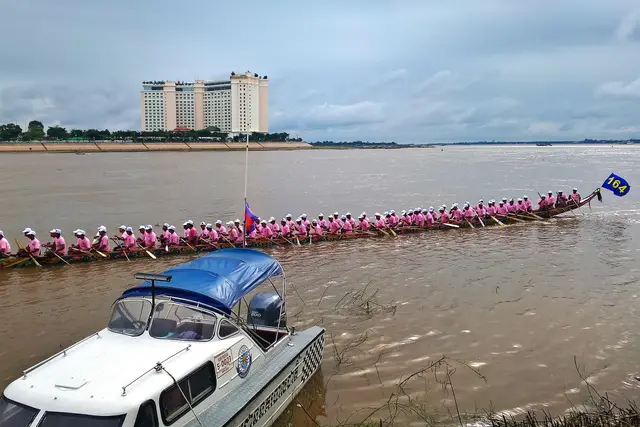
event Bon Om Touk (Cambodian Water Festival): Dates, Tickets & Venue (Phnom Penh)
 event
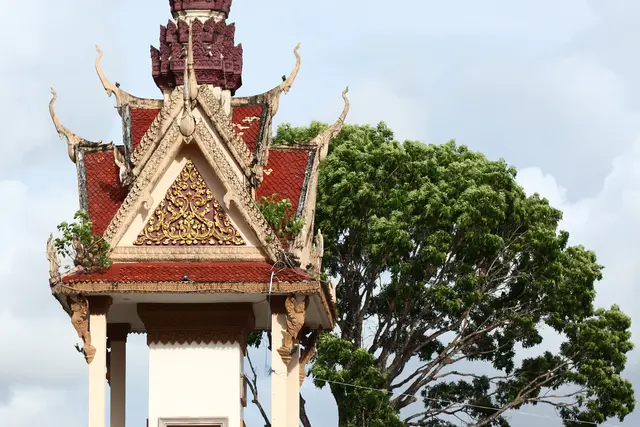
event Cambodia Independence Day: Dates, Tickets & Venue (Phnom Penh)
 event
event