Why this place, and why it’s hard
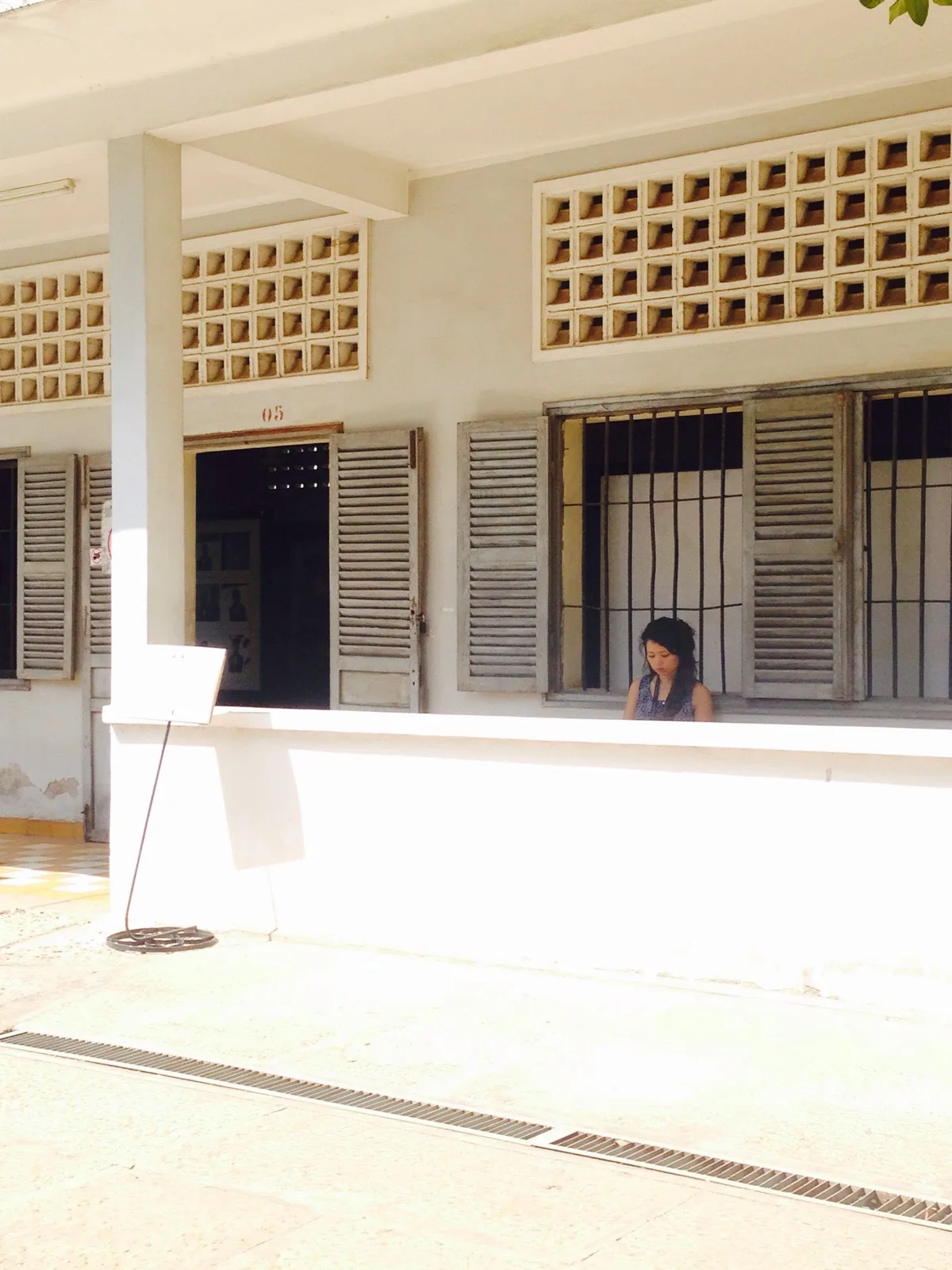
Tuol Sleng Genocide Museum was once Security Prison 21, the Khmer Rouge’s central interrogation center between 1975 and 1979. Before that, it was a high school. You can still see the classroom windows, now laced with barbed wire, and that contrast is what makes the site so disorienting from the moment you walk in.
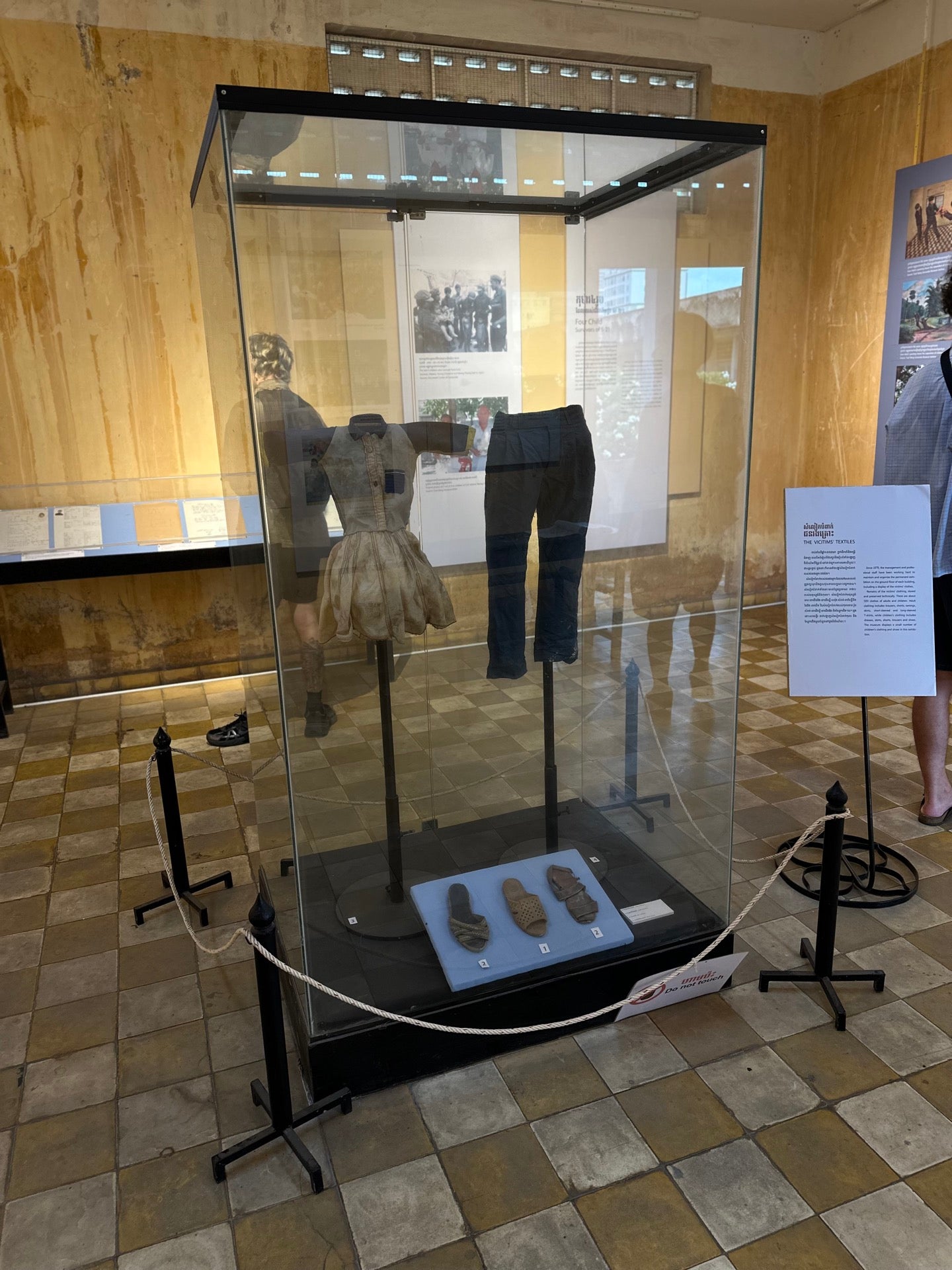
This isn’t a place you “enjoy.” It’s a place you sit with. Room after room holds rusted iron beds, black-and-white mugshots of prisoners, and the tiled floors where thousands were held before being sent to Choeung Ek. The scale of what happened here, over 12,000 reviews’ worth of visitor testimony attest, tends to leave people quiet for a long while afterward.
Getting there
The museum sits on Street 113 in Phnom Penh’s Boeng Keng Kang district, a short tuk-tuk ride from the riverside or the Central Market area. Most hotels can arrange a driver, and fares are cheap enough that haggling over a dollar isn’t worth the energy.
If you’re combining it with Choeung Ek Killing Fields, which sits about 40 minutes outside the city, hire a tuk-tuk for the half-day rather than booking two separate trips. Drivers near the museum entrance offer this combo constantly, and it’s the standard way locals see both sites in one go.
What you’ll see inside
The complex spans four buildings arranged around a former schoolyard, and each one covers a different layer of the story.
- Building A: bare interrogation rooms with the original iron bed frames left in place
- Building B: walls covered in photographs of prisoners, taken on intake by the Khmer Rouge themselves
- Building C: the tiny brick and wood cells where prisoners were held between interrogations
- Building D: instruments of torture, and testimony from the small number of known survivors
Give yourself plenty of time to move through all four buildings. An audio guide is available at the entrance and worth the small extra cost. The photographs alone don’t convey the context without it.
When to go
The museum opens at 8am and closes at 5pm, seven days a week. Crowd patterns here are consistent: mornings between 8am and 9am are the quietest stretch, on weekdays and weekends alike.
By 11am on weekends, tour groups converge and the narrow corridors between cells start to feel congested. If you want space to actually process what you’re seeing rather than shuffle through it, arrive right at opening.
Midday heat in Phnom Penh is intense most of the year, so an early visit also means a cooler walk between buildings, since much of the site is outdoors.
How to visit like a local
This is a serious, heavily visited memorial site, not a hidden find, and not somewhere to treat casually. Dress modestly: shoulders and knees covered, out of respect for what happened here.
- Go early, 8am–9am is genuinely the calmest window, both weekday and weekend
- Keep your voice low inside the buildings; this is treated as a place of mourning, not a photo backdrop
- Pay the small entrance fee and audio-guide fee in Cambodian riel or US dollars. Both are widely accepted, cash is simplest
- Skip flash photography in the mugshot rooms; many visitors find it visibly disrespectful
- Budget quiet time afterward. Most visitors don’t want to jump straight into sightseeing
The biggest mistake tourists make is rushing through in 30 minutes to squeeze in more of the city that day. Locals and guides alike will tell you this site rewards, and requires, slowing down.
Nearby, when you’re ready
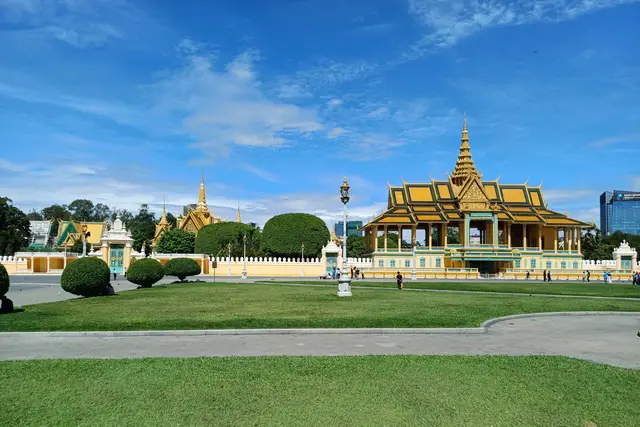
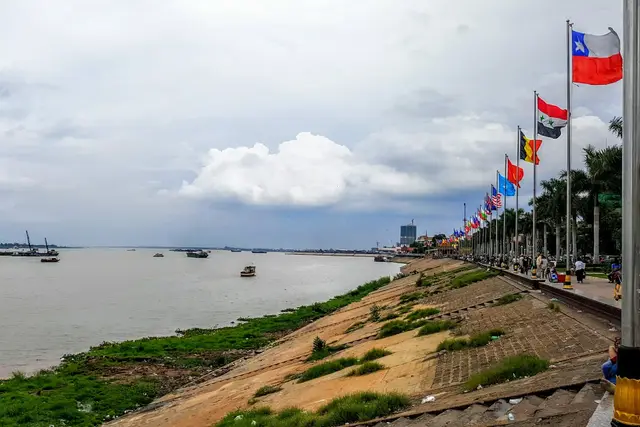
Once you leave, the Royal Palace and riverside promenade are a short drive away if you want a change of pace. Many visitors prefer to decompress with a walk along the Tonle Sap riverfront before diving back into Phnom Penh’s markets and restaurants.
The museum is in central Phnom Penh, on Street 113 in the Boeng Keng Kang area.
Frequently asked questions
Where in Phnom Penh is Tuol Sleng Genocide Museum?
No — the museum is in Phnom Penh, on Street 113 in the Boeng Keng Kang area. Sen Monorom, in Mondulkiri province, is about a 5–6 hour drive away.
What are the opening hours?
The museum is open daily from 8am to 5pm, including weekends, with no listed closing day.
When is the quietest time to visit?
Between 8am and 9am, on both weekdays and weekends. Try to avoid arriving after 11am on weekends, when tour groups peak.
How long should I spend there?
Most visitors need 1.5 to 2.5 hours, longer with the audio guide, which is recommended for context on the photographs and exhibits.
What should I see nearby afterward?
Many visitors pair the museum with Choeung Ek Killing Fields (about 40 minutes away) via the same tuk-tuk hire, then decompress along the Tonle Sap riverfront or Royal Palace area back in central Phnom Penh.
Plan your trip to Phnom Penh
Cambodia eSIM & staying connected →
Some links above are affiliate links — if you book through them, Wander Atlas earns a small commission at no extra cost to you. It's how we keep every guide free.
Related guides
 attraction
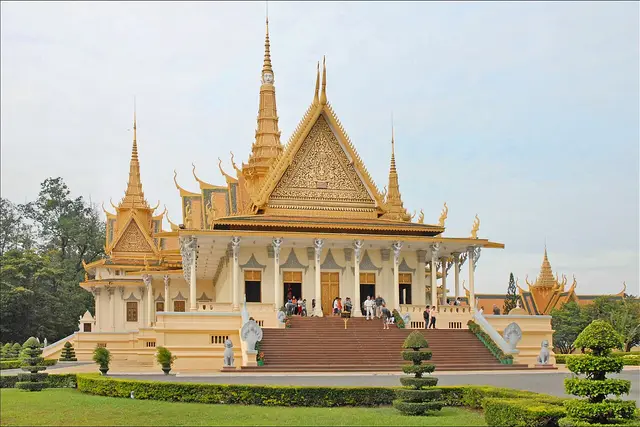
 Royal Palace of Cambodia: Phnom Penh Travel Guide (4.3★)
 attraction
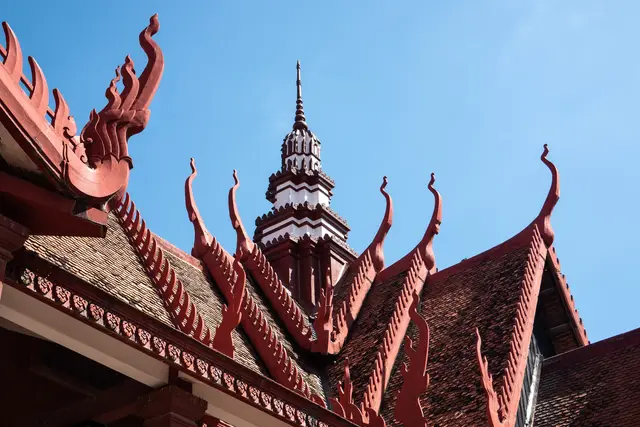
 National Museum of Cambodia: Phnom Penh Travel Guide (4.2★)
 attraction
 Royal Palace Park: Phnom Penh Travel Guide (4.5★)
 attraction