A working market on a tourist ridge
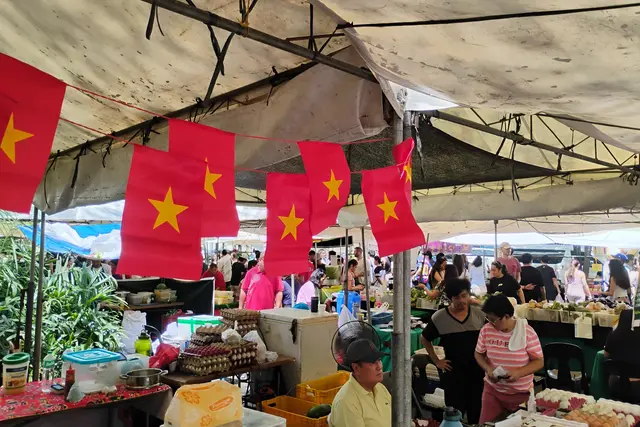
Tagaytay sells views, and this market sells groceries. It sits on Santa Rosa–Tagaytay Road, away from the viewpoint cafés on the ridge. Here the town does its shopping: fish, meat, vegetables, rice and household goods under one roof.
That makes it a useful stop, not a scenic one. Come here to stock up for a rented house, to pick up pasalubong without resort markups, or to see how a Cavite public market runs. It is well known and consistently well rated, so don’t expect it to yourself.
Walking the aisles
Like most Philippine public markets, it is split by what’s for sale. The wet section has concrete counters, hosed-down floors and fish laid out on ice or in basins. The meat stalls have hanging cuts and butchers working at wooden blocks. Further in, the dry goods and produce stalls feel calmer and more open.
Shoes matter more than you’d expect. The wet section floors stay damp all day, so leave the sandals at the hotel. Stalls are small and packed tight, and most vendors weigh your purchase on a hanging or counter scale in front of you.
What to carry out
Tagaytay’s position between Taal Lake and the Cavite uplands shapes what you’ll find. Look for:
- Taal Lake fish, such as tilapia and, when it’s in season, the small freshwater sardine called tawilis
- Pineapples and bananas from the surrounding farming towns
- Kapeng barako, the strong local coffee of Cavite and Batangas, sold ground or as beans
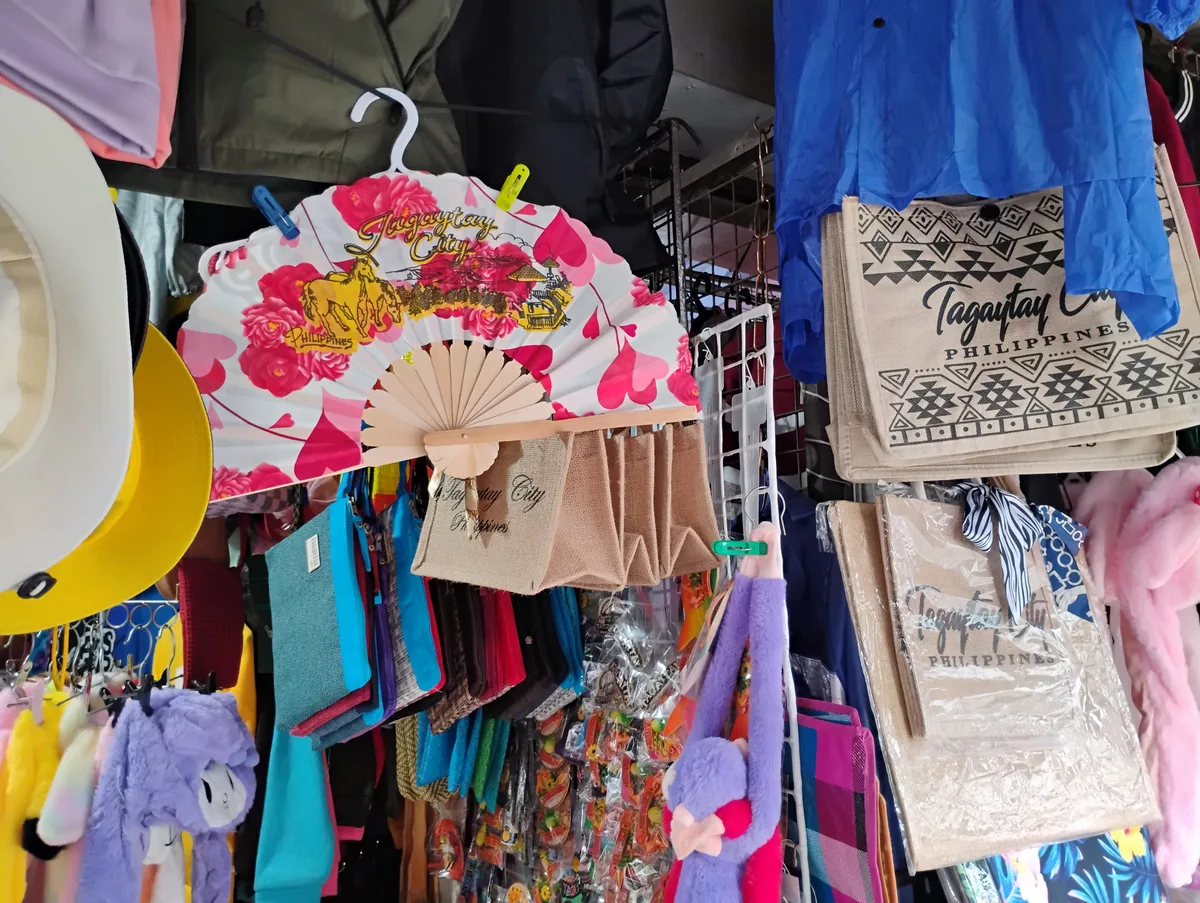
- Buko pie and other pasalubong snacks to take back to Manila
- Vegetables and herbs for cooking bulalo or sinigang if your rental has a kitchen
What’s on offer shifts with the harvest. Walk one full loop before you buy anything.
Beat the weekend wave
Timing makes the biggest difference here. Gates open at 5:00 AM every day, and the calmest hour is 7am to 8am, weekdays and weekends alike. By then the pre-dawn restaurant buyers have gone, and the day’s stock is still full.
Weekends are the problem. From 8am to 7pm on Saturdays and Sundays the aisles stay crowded. That’s when day-trippers from Manila arrive on top of regular shoppers. If a weekend is your only option, get there before 8am or you’ll be edging past other people’s bags at every stall.
Weekday mornings are the easiest all round. The market closes at 8:00 PM, but produce thins out as the day goes on.
Buying at the stalls
A few habits make buying at the stalls smoother:
- Carry pesos in small bills. Most stalls deal in cash, and breaking a large note first thing in the morning is a hassle for everyone.
- Ask “Magkano po?” It means “How much?”, and the “po” shows respect. Vendors usually give prices per kilo or per piece.
- Bargain lightly, if at all. Asking for a small discount on a big purchase is normal. Haggling over a single bunch of bananas isn’t.
- Go back to the same stall. Filipinos call a regular customer a suki. Returning to one vendor often gets you better cuts and a friendlier price.
- Bring your own bag. A sturdy tote copes better with pineapples and wet fish packs than thin plastic.
Ask the fish vendor to clean and scale your catch before you pay. It’s standard practice, and it saves a messy job later.
Getting there and nearby
Buses heading for Tagaytay and Nasugbu leave from the Pasay and Buendia terminals in Metro Manila. Coming from Laguna, you arrive along Santa Rosa–Tagaytay Road, where the market stands. Inside town, tricycles and jeepneys are the easy way around. Tell the driver “palengke”, the Filipino word for market.
Pair an early market run with the ridge for the rest of the day. Picnic Grove, the People’s Park in the Sky and the Taal Volcano viewpoints along the ridge road are all within Tagaytay. Plan on 45 minutes to an hour for the market. Budget longer if you’re buying for a whole weekend’s cooking.
Frequently asked questions
When is the quietest time to visit Tagaytay City Market?
Between 7am and 8am, weekdays and weekends. Avoid 8am to 7pm on weekends, when crowds are heaviest.
What are the opening hours?
It opens every day, Monday to Sunday, from 5:00 AM to 8:00 PM.
How do I get to Tagaytay City Market?
It's on Santa Rosa–Tagaytay Road in Tagaytay City, Cavite. From Metro Manila, take a Tagaytay- or Nasugbu-bound bus from Pasay or Buendia. In town, catch a tricycle or jeepney and ask for the 'palengke'.
What should I buy there?
Taal Lake fish such as tilapia and seasonal tawilis, local pineapples and bananas, kapeng barako coffee, and pasalubong like buko pie.
How long should I spend at the market?
Around 45 minutes to an hour for a browse and a few purchases. Allow longer if you're shopping to cook at a rental. Afterwards you can head to the ridge for Picnic Grove or the Taal viewpoints.
Plan your trip to Tagaytay
Some links above are affiliate links — if you book through them, Wander Atlas earns a small commission at no extra cost to you. It's how we keep every guide free.