Why go
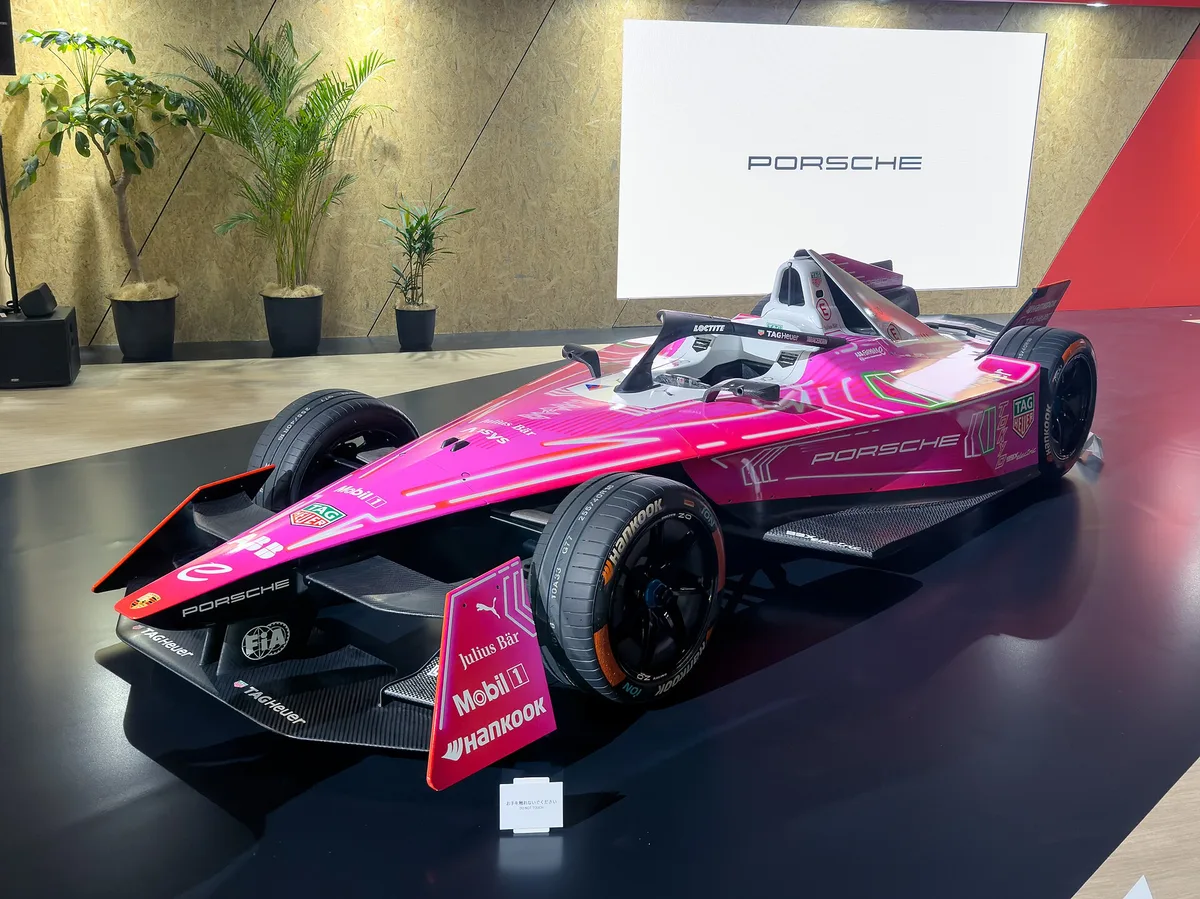
A Tokyo round was a landmark addition for the all-electric racing series, which had previously raced in cities like London, Monaco, Jakarta, and Sao Paulo on temporary street circuits rather than purpose-built tracks. On a Tokyo Street Circuit, the cars (silent-ish, fast, and built for tight urban corners) run through or alongside real city infrastructure, a spectacle very different from watching Formula 1 at a permanent track like Suzuka.
For motorsport fans already familiar with Japan’s Super Formula and Super GT scenes, this was a chance to see how an all-electric series handled a Japanese street layout, and for general visitors it was a rare “closed roads, race cars, city skyline” event in the world’s largest metropolitan area.
Getting there
Tokyo is served by two major international airports: Narita (NRT), about 60-90 minutes from central Tokyo via the Narita Express or Keisei Skyliner, and Haneda (HND), which is much closer to the city center, often 30-45 minutes by monorail or Keikyu line to Shinagawa. Once in the city, Tokyo’s subway and JR train network is the most reliable way to reach any street circuit venue, especially since race weekends typically bring road closures that disrupt bus routes and taxis near the track.
What to expect on race weekend
Formula E weekends typically follow a two-day format: free practice and qualifying on the first day, followed by the main E-Prix race on the second, often bundled with support races, driver appearances, and a fan village with sponsor activations, merchandise stalls, and simulator or interactive exhibits for visitors who aren’t glued to the grandstand. The Tokyo edition was planned around local flavor, food vendors, tech and mobility exhibitors, and crossover with Japan’s strong automotive and gaming culture.
Formula E cars are quieter than combustion race cars, though the PA system, crowd noise, and support races can still get loud. Grandstand seating near hairpin turns or the start/finish straight tends to offer the best combination of overtaking action and pit lane views.
Tokyo in July
Late July in Tokyo means peak summer heat and humidity, with temperatures commonly in the low-to-mid 30s°C (90s°F) and high humidity that makes an all-day outdoor event physically demanding. Sun protection, a hat, a refillable water bottle, and lightweight breathable clothing matter more here than at spring or autumn events. Street circuits near the waterfront (a common choice in Tokyo due to space and skyline views) offer some sea breeze relief but also strong sun exposure with little natural shade.
Nearby & tips
Whichever district the circuit used, Tokyo rewards a trip that runs beyond race day. This is a city where world-class food, shopping, and neighborhoods like Shibuya, Asakusa, and Ginza are all within a short train ride of nearly anywhere. Race weekends compress hotel availability in the surrounding wards.
Frequently asked questions
Where exactly is the Tokyo Street Circuit?
It is a temporary layout on closed public roads in central Tokyo, in the Odaiba/waterfront or central business district area. The race weekend was set for July 25-26, 2026.
How do I get tickets?
Ticket sale dates and pricing were not part of the early announcement. As is typical for street circuit races, ticket releases often come in tiers: general admission, grandstand and hospitality.
What's the best way to reach the venue from Narita or Haneda airport?
Haneda is closer to central Tokyo, roughly 30-45 minutes by monorail or Keikyu line; Narita takes 60-90 minutes via Narita Express or Skyliner. Tokyo's subway and JR network handles the final leg, since road closures near a street circuit disrupt buses and taxis on race days.
How many days should I plan for the event?
The E-Prix schedule spanned July 25-26, 2026, typically with practice and qualifying on one day and the race the next. That makes two full days on-site, with any extra days going to the rest of Tokyo.
What should I wear or bring given the July heat?
Late July in Tokyo is hot and humid, often 30°C or more. A hat, sunscreen, a refillable water bottle and light clothing suit the conditions, and shaded viewing is limited at street circuits.
Plan your trip to Tokyo
Japan eSIM & staying connected →
Some links above are affiliate links — if you book through them, Wander Atlas earns a small commission at no extra cost to you. It's how we keep every guide free.