3-Day Itinerary Rainy-day swaps included
Tokyo in 3 days:shrines, Skytree, and teamLab itinerary
This is a 3-day Tokyo itinerary: day one covers Shibuya and Shinjuku City with a shrine, garden, and evening café; day two moves through Sumida City and Taito City for a tower, temple, and market; day three crosses Koto City and Chuo City for digital art, a fish market lunch, a garden, and dinner in the evening.
✓ Hours, ratings, and directions come from Google Places · routes are computed from real coordinates · updated September 22, 2026
How this guide is made
Produced with AI assistance and reviewed against live data sources. Facts such as hours, ratings, and location come from Google Places; images are licensed or public domain. Details can change — please verify before visiting. Editorial policy
Day 1 · Shrine forest to garden calm
The day opens in Shibuya at Meiji Jingu's forested grounds before a relaxed lunch nearby in Harajuku. From there it heads to Shinjuku City for a long, unhurried walk through Shinjuku Gyoen's gardens, then back to Shibuya for coffee and cocktails at Fuglen in the evening.
- Morning
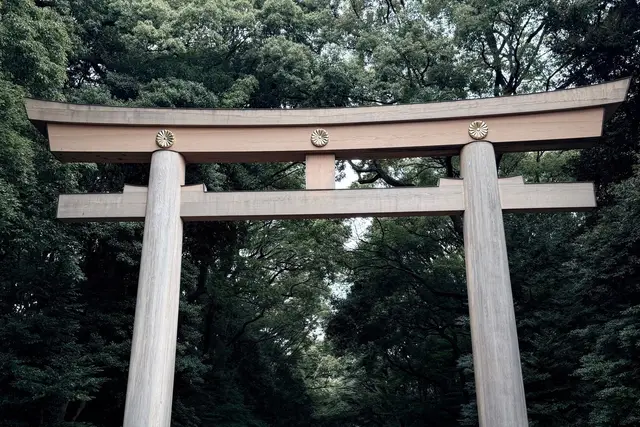
Meiji Jingu
Meiji Jingu offers a wide, forested approach that makes for a calm, atmospheric start to the day before the city's crowds build.
Time to allow: ~1.5 hHow to get there
The shrine sits in Shibuya ward at 1-1 Yoyogikamizonochō, straddling the border of Harajuku and Yoyogi. The easiest approach is from JR Harajuku Station (Yamanote Line), exit toward Omotesando and you'll see the first giant torii gate almost immediately. Alternatively, Meiji-Jingumae Station on the Chiyoda and Fukutoshin subway lines drops you at Exit 2, a short walk from the same entrance.
- ~24 min walk (1.8 km) Directions →
- Afternoon
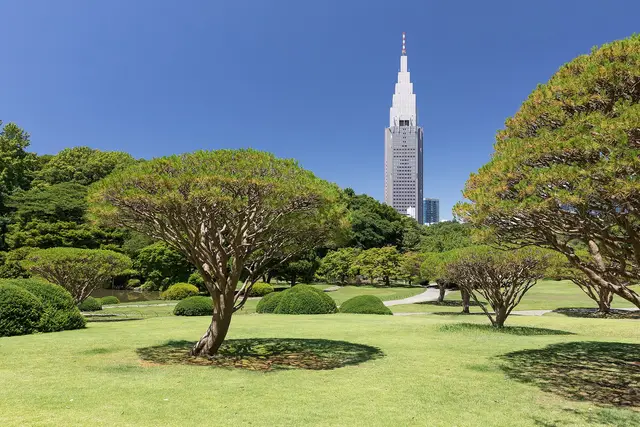
Shinjuku Gyoen National Garden
Shinjuku Gyoen's blend of French, English, and Japanese garden styles gives a long, unhurried afternoon of green space after the morning's walking.
Closed Monday Time to allow: ~2.5 hHow to get there
The most convenient entrance is Shinjuku Gate, a five-minute walk from Shinjuku-gyoenmae Station on the Marunouchi subway line. Take Exit 1 and follow the signs. Alternatively, Sendagaya Station on the JR Sobu Line feeds into the Sendagaya Gate on the park's northeast side, and Shinjuku Station's New South Exit is about a 10-minute walk to the Shinjuku Gate as well, useful if you're combining the visit with shopping around Shinjuku Station.
- Take the subway or a taxi Directions →
- Afternoon
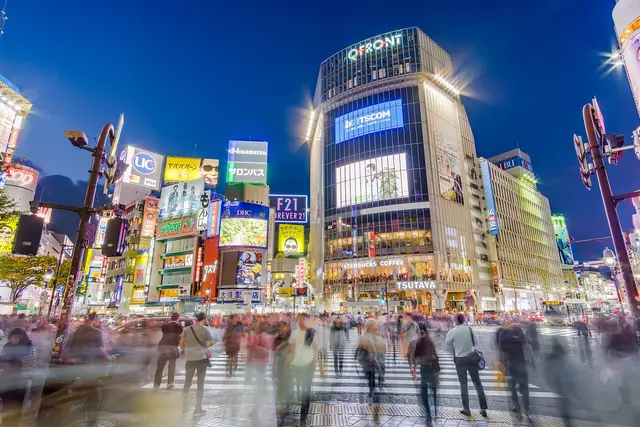
Shibuya Crossing
An attraction rated 4.5 by visitors, included as a stop on this route.
Time to allow: ~30 minHow to get there
The crossing sits directly outside the Hachiko Exit of Shibuya Station, one of Tokyo's largest transit hubs, served by JR lines (Yamanote, Saikyo, Shonan-Shinjuku), the Ginza, Hanzomon, and Fukutoshin subway lines, plus the Keio and Tokyu lines. Take the Hachiko Exit specifically, it deposits you almost on top of the crossing and next to the famous Hachiko dog statue, a popular meeting point named after the loyal Akita who waited for his owner at the station for years.
- ~19 min walk (1.4 km) Directions →
- Evening
Fuglen
Fuglen Tokyo shifts from coffee and pastries by day to an inventive cocktail menu at night, making it a fitting close to the evening in a cozy, vintage-furnished room.
Time to allow: ~1.5 hHow to get there
Fuglen Tokyo sits at 1-chōme-16-11 Tomigaya, in Shibuya ward, in the quiet, leafy Tomigaya neighborhood just north of the much busier Shibuya crossing area. The closest stations are Yoyogi-Hachiman (on the Odakyu Odawara Line) and Yoyogi-Koen (on the Chiyoda Line), each roughly a 10-12 minute walk away. It's also a walkable 15-20 minutes from Shibuya Station if you don't mind cutting through the backstreets past Yoyogi Park, a pleasant route, especially in the morning.
Day 2 · Tower views to old Asakusa streets
Day two starts in Sumida City with sweeping views from Tokyo Skytree, then crosses to Taito City for the historic grounds of Sensō-ji in Asakusa. It wraps up nearby at Ameyoko market for browsing stalls between Ueno and Okachimachi.
- Morning
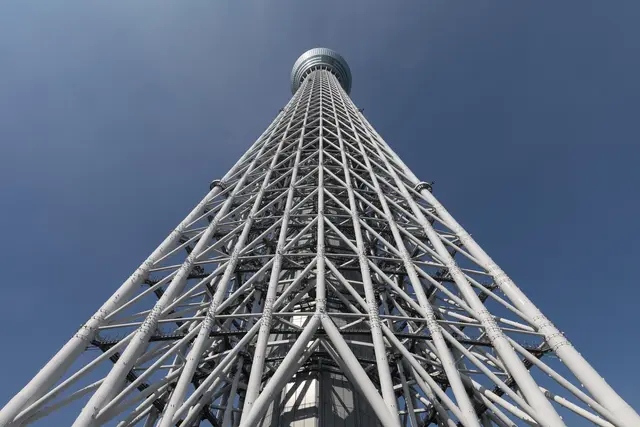
Tokyo Skytree
Tokyo Skytree's observation decks give a broadcasting-tower view over the city to open the day.
Book ahead Time to allow: ~1.5 hHow to get there
The tower sits directly above Tokyo Skytree Station on the Tobu Skytree Line, a few stops from Asakusa. Oshiage Station, served by the Tokyo Metro Hanzomon Line, Toei Asakusa Line, and Keisei Oshiage Line, connects directly into the base via underground passage.
- ~24 min walk (1.8 km) Directions →
- Afternoon
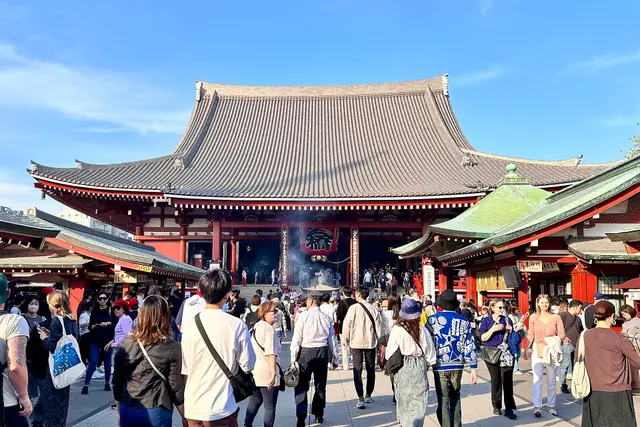
Sensō-ji
Sensō-ji is Tokyo's oldest temple, with its Nakamise-dōri approach, pagoda, and neighboring shrine making for a full afternoon in Asakusa.
Time to allow: ~2 hHow to get there
The temple sits at 2-chōme-3-1 Asakusa, Taito City. The most direct approach is Asakusa Station, served by the Tokyo Metro Ginza Line and the Toei Asakusa Line, plus the Tobu Skytree Line; take Exit 1, which puts you almost directly in front of the Kaminarimon ("Thunder Gate"), the temple's iconic red entrance with its giant paper lantern. The Tsukuba Express also stops at a separate Asakusa Station a short walk away.
- Take the subway or a taxi Directions →
- Evening
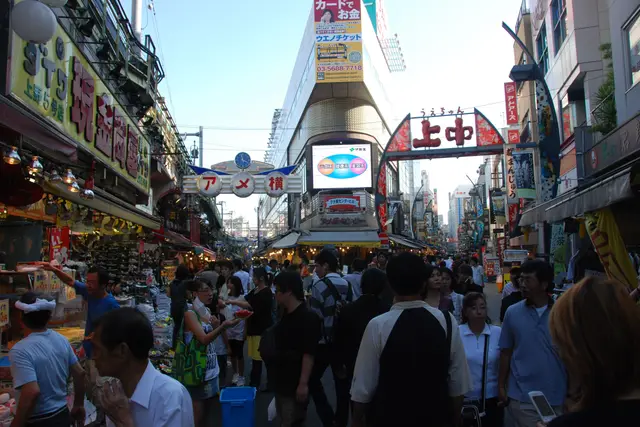
Ameyoko market
Ameyoko market's dense run of stalls between Ueno and Okachimachi make for an easy, browsable close to the day.
Time to allow: ~1.5 hHow to get there
The easiest entrance is right outside Ueno Station's Hirokoji exit, on the JR Yamanote/Keihin-Tohoku line side. From there the covered arcade runs south for several blocks toward Okachimachi Station, with narrower side lanes branching off under the rail bridge itself.
Day 3 · Digital art to bayside dining
The final day begins in Koto City with the immersive teamLab Planets, then crosses to Chuo City for a market lunch at Tsukiji Outer Market and garden time at Hamarikyu. The evening closes out with dinner at Oxomoco.
- Morning

teamLab Planets TOKYO DMM
teamLab Planets' barefoot, water-and-light installations make an immersive, unusual start to the final day.
Quietest: 8–9 AM Book ahead Time to allow: ~2 hHow to get there
The museum sits at 6-chōme-1-16 Toyosu, Koto City, in the Toyosu waterfront district of Tokyo Bay, an area also known for Toyosu Market and its sushi breakfast spots. The easiest access point is Toyosu Station, served by both the Yurikamome (automated waterfront line) and the Tokyo Metro Yurakucho Line, from the station it's roughly a 5-10 minute walk, and signage in the area generally points visitors toward the entrance.
- Take the subway or a taxi Directions →
- Lunch
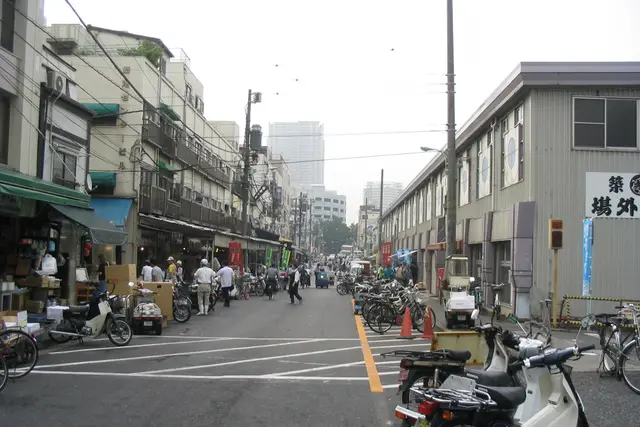
Fish Market Tsukiji Outer Market
Tsukiji Outer Market's stalls and sit-down counters make for a hands-on lunch of fresh sashimi and grilled skewers.
Time to allow: ~2 hHow to get there
The market sits between Tsukiji Station (Hibiya Line, exit 1 or 2) and Shintomicho Station (Yurakucho Line), both about a 3-5 minute walk. If arriving from central Tokyo, Tsukiji Station is the more direct option. Ginza is a 15-minute walk south, so many visitors combine a morning market visit with an afternoon in Ginza's department stores. Look for the covered Namiyoke Inari Shrine area as a landmark near the market's eastern edge. It's a good orientation point if the lanes feel maze-like.
- Take the subway or a taxi Directions →
- Afternoon

Hamarikyu Gardens
Hamarikyu Gardens' shogunal-era grounds on Tokyo Bay offer a quieter, scenic wind-down after the market.
Time to allow: ~1.5 h - Take the subway or a taxi Directions →
- Evening
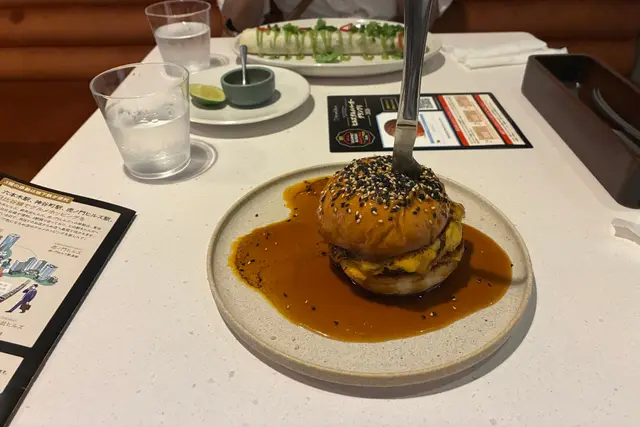
Oxomoco in Tokyo
Oxomoco's wood-fired, modern Mexican menu and energetic room make for a polished final stop in Roppongi Hills.
Time to allow: ~1.5 hHow to get there
Roppongi Hills is a large mixed-use development in Minato Ward, built around Mori Tower, and it's already home to the Mori Art Museum, Tokyo City View observation deck, and a dense cluster of upscale restaurants and bars, so Oxomoco slots into an ecosystem locals and visitors already treat as a dining destination. The closest station is Roppongi Station, served by both the Toei Oedo Line and the Tokyo Metro Hibiya Line; from the Hibiya Line side, Exit 1C connects directly into the Roppongi Hills complex via underground passageway, which is the easiest route in bad weather.
Frequently asked questions
How should I get around for this itinerary?
Each day is grouped by area, Shibuya and Shinjuku City on day one, Sumida City and Taito City on day two, and Koto City and Chuo City on day three, with transit needed between stops noted as beyond walking distance.
Should I book anything in advance?
Yes. Prés de L'AS and teamLab Planets both call for advance booking given how quickly tables and timed tickets fill, and Oxomoco is a reservation-hungry spot worth booking ahead too.
What's the best time of day to visit the busier attractions?
Early morning or weekday visits help at spots like Meiji Jingu, Tokyo Skytree, Sensō-ji, Ameyoko market, teamLab Planets, and Tsukiji Outer Market, all of which draw heavier crowds later in the day or on weekends.
How is the pacing across the three days?
Day one and day three are fuller days, while day two is a lighter day, giving more breathing room around Skytree, Sensō-ji, and Ameyoko market.
What if it rains during the trip?
Day one, day two, and day three each have a rain-day alternative listed, so an indoor swap is available on any of the three days if the weather turns.
Plan your trip to Tokyo
Japan eSIM & staying connected →
Some links above are affiliate links — if you book through them, Wander Atlas earns a small commission at no extra cost to you. It's how we keep every guide free.