Five separate buildings, one ticket, and more National Treasures under one roof than anywhere else in Japan: that’s the basic shape of the Tokyo National Museum. It anchors the northern end of Ueno Park, close enough to the zoo and the other museums that visitors often try to cram it into a single day and end up rushing the best part.
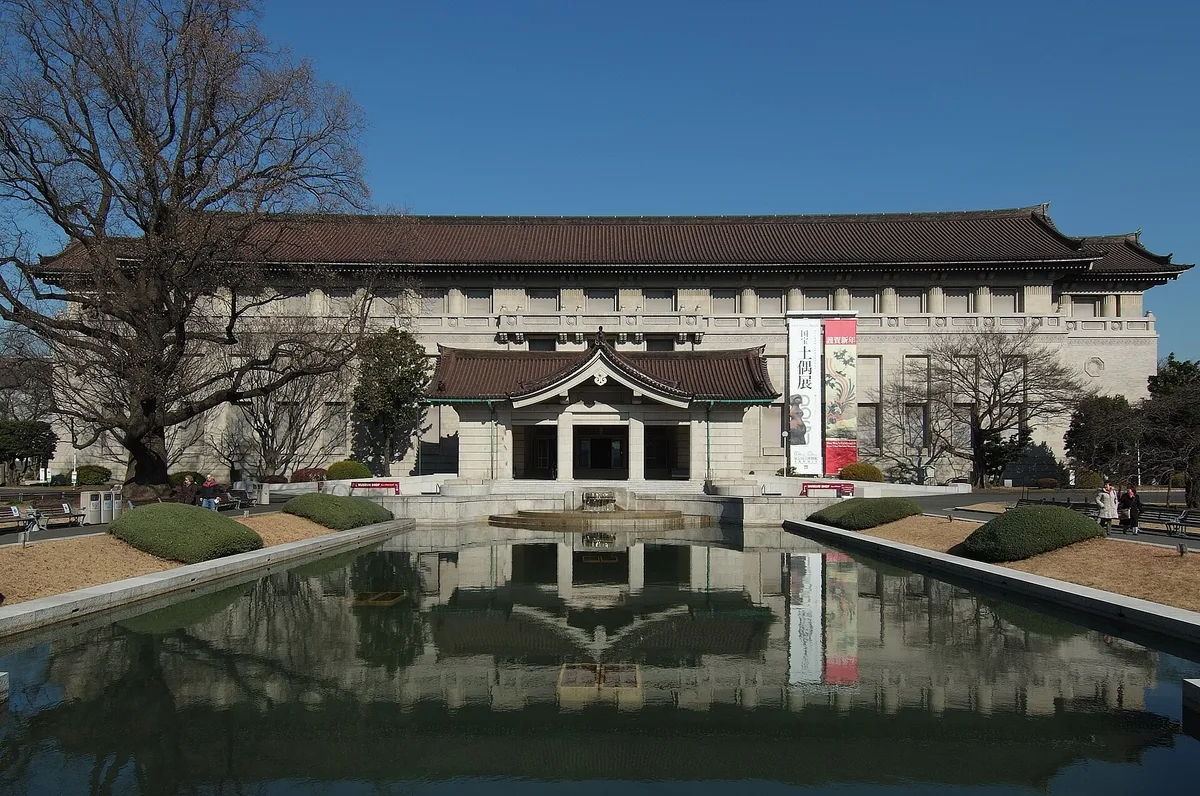
The Honkan, the main gallery with its tiled 1938 facade, holds the permanent Japanese art collection: samurai armor, Buddhist sculpture, lacquerware, and a rotating selection of ukiyo-e prints too light-sensitive to display year-round. The Toyokan next door covers the rest of Asia, from Chinese bronzes to Gandharan Buddhist carvings. Behind them, the Heiseikan hosts special exhibitions and archaeological finds, including Jomon-period pottery.
Honkan first, then decide
Start at the Honkan. It’s the building most people picture when they think of this museum, and it’s also the one that rewards slow walking rather than a checklist approach.
The second floor runs in roughly chronological order, from prehistoric pottery through samurai-era armor to Edo-period painting. Ground floor rooms are organized by medium instead, so if you only care about swords or ceramics, head straight there.
Only after the Honkan should you decide how much energy is left for the Toyokan or Heiseikan. Both are good, but neither is essential if your legs are done.
Timing it around the crowds
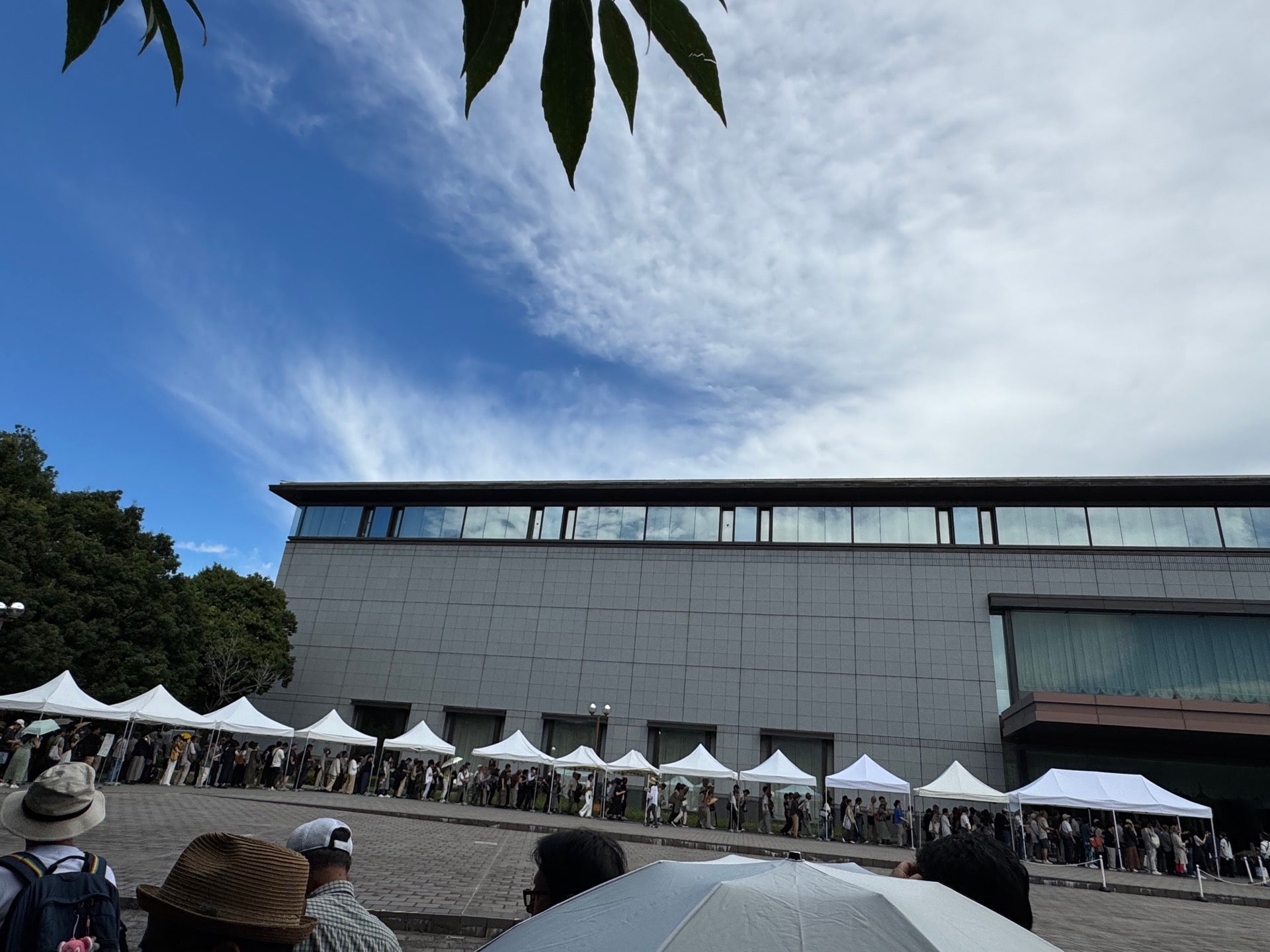
This museum is genuinely one of the most visited in Japan, not a quiet find, so plan around the crush rather than expecting to avoid it entirely. Weekends between 11am and 5pm are the busiest stretch, with tour groups and school trips filling the Honkan’s ground floor.
The calmest window on weekdays is 5pm to 6pm, right before closing. On Fridays and Saturdays, when the museum stays open until 8pm, the 5pm to 8pm stretch is noticeably quieter than the daytime rush.
If your schedule allows it, a Friday evening visit is close to ideal: fewer people, and enough daylight hours already used up elsewhere in Ueno Park.
What the galleries don’t tell you
Special exhibitions, held in the Heiseikan or sometimes the Hyokeikan, usually cost extra on top of the general admission and often require a separate timed ticket during peak seasons like cherry blossom week or major loan shows. Check what’s running before you go, since a big-name exhibition (a specific temple’s treasures, a foreign museum loan) can double the crowd on an otherwise quiet day.
Photography is allowed in most of the permanent collection, without flash and without tripods, but special exhibitions frequently ban it outright. Signage at each room entrance will tell you which rule applies.
The Gallery of Horyuji Treasures, a separate building near the ticket gates, is easy to miss but holds seventh-century Buddhist bronzes and masks from Horyuji Temple in Nara. It rarely has a line even when the main buildings are packed.
Getting there and getting oriented
The museum sits at the top of Ueno Park, an easy walk from Ueno Station (JR, Ginza Line, Hibiya Line) or the slightly closer Uguisudani Station on the JR Yamanote Line. From Ueno Station’s park exit, it’s about a ten-minute walk straight through the park past the fountain plaza.
Buy tickets at the machines or windows just inside the main gate; lines are rarely long except right after opening on weekends. There’s no need to book far ahead for general admission, only for ticketed special exhibitions.
Making the most of a short visit
If you have under two hours, skip the Toyokan and Heiseikan entirely and spend the whole time in the Honkan’s second floor. That’s where the National Treasures and the most famous samurai-era pieces are concentrated.
A few practical notes:
- Coin lockers near the entrance take standard Japanese coins; useful if you’re carrying park gear or shopping bags
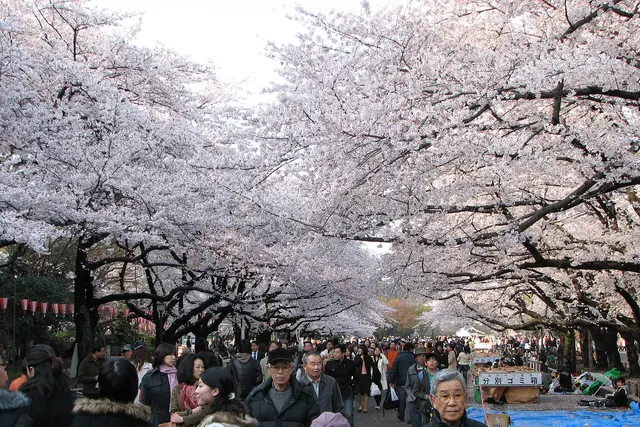
- The garden behind the Honkan opens only seasonally, spring and autumn, and is worth checking for on the way in
- A single ticket covers Honkan, Toyokan, Heiseikan, and the Horyuji Gallery, so re-entry between buildings on the same day is normal, not an exception
Confirm current opening hours and any special exhibition ticket requirements on the museum’s own site before you go, since exhibition schedules shift seasonally.
Frequently asked questions
What are the opening hours for Tokyo National Museum?
Closed Mondays. Tuesday, Wednesday, Thursday, and Sunday it's open 9:30am–5pm; Friday and Saturday it stays open until 8pm.
When is the quietest time to visit?
Weekdays, the calmest window is 5pm–6pm right before closing. On Friday or Saturday evenings, 5pm–8pm is much quieter than daytime; avoid weekends between 11am and 5pm, which is the busiest stretch.
How do I get to Tokyo National Museum?
Walk about ten minutes north through Ueno Park from Ueno Station's park exit (served by JR lines, Ginza Line, and Hibiya Line), or use Uguisudani Station on the JR Yamanote Line, which is slightly closer.
How long should I spend there?
Plan on two to three hours for the Honkan main gallery alone; add another hour or two if you want to see the Toyokan, Heiseikan, and Horyuji Treasures gallery as well.
Is there anything nearby worth combining with a visit?
The museum sits inside Ueno Park, within walking distance of Ueno Zoo, the Tokyo Metropolitan Art Museum, and Shinobazu Pond, so it pairs easily with a broader Ueno Park day.
Plan your trip to Tokyo
Japan eSIM & staying connected →
Some links above are affiliate links — if you book through them, Wander Atlas earns a small commission at no extra cost to you. It's how we keep every guide free.