Why go
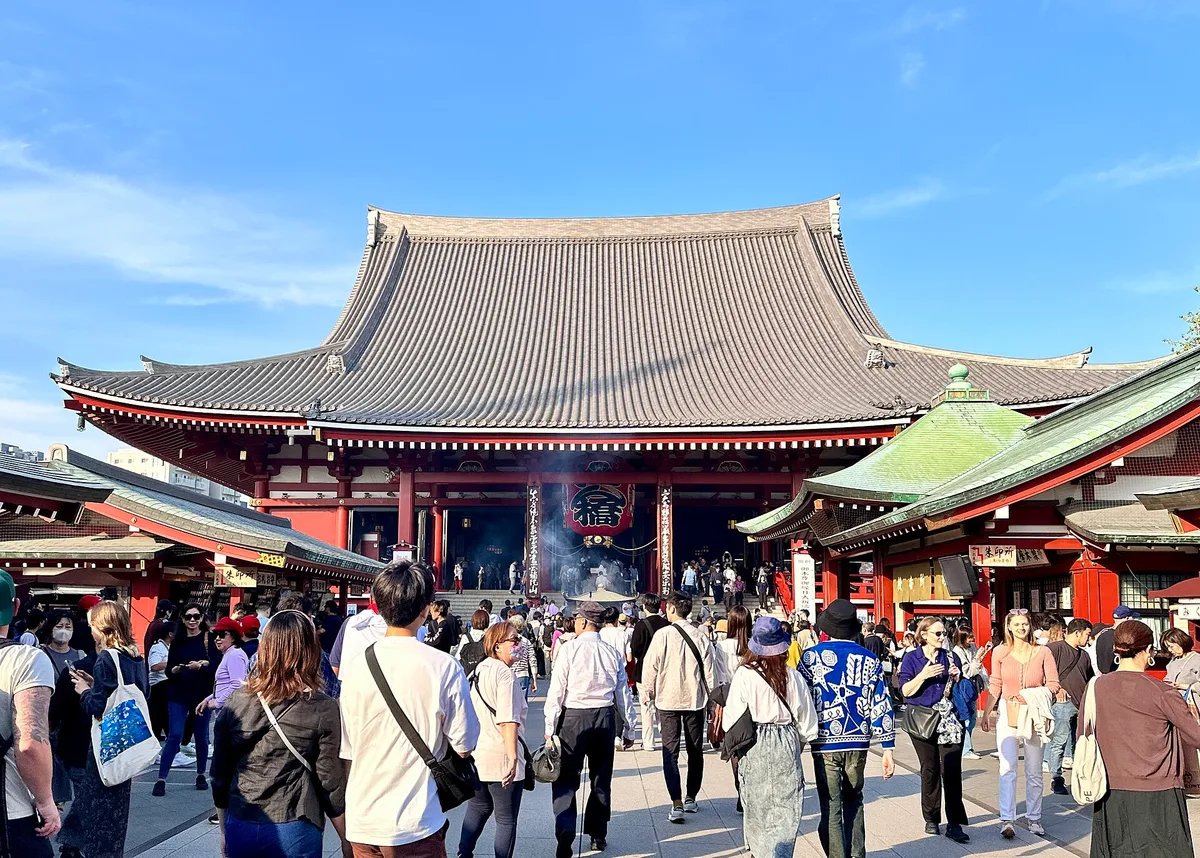
Sensō-ji is Tokyo’s oldest temple, completed in 645 to honor Kannon, the Buddhist goddess of mercy, after two fishermen reportedly pulled a statue of her from the Sumida River. Nearly 1,400 years later it remains the spiritual heart of Asakusa and one of the most-visited religious sites in Japan, drawing crowds that regularly pack the approach on weekends and holidays.
With a 4.6 rating across roughly 97,000 reviews, it’s consistently rated as an essential Tokyo stop, but its appeal isn’t just the photo-ops. It’s a working temple with daily rituals, incense offerings, and fortune-telling still very much in use.
Getting there
The temple sits at 2-chōme-3-1 Asakusa, Taito City. The most direct approach is Asakusa Station, served by the Tokyo Metro Ginza Line and the Toei Asakusa Line, plus the Tobu Skytree Line; take Exit 1, which puts you almost directly in front of the Kaminarimon (“Thunder Gate”), the temple’s iconic red entrance with its giant paper lantern. The Tsukuba Express also stops at a separate Asakusa Station a short walk away.
If arriving by river, the Tokyo Cruise water bus from Odaiba or Hamarikyu Gardens docks near Azumabashi Bridge, a five-minute walk from the temple grounds.

What to see
Enter through Kaminarimon, flanked by statues of the guardian gods Fūjin (wind) and Raijin (thunder), then walk the roughly 250-meter Nakamise-dōri, a shopping street lined with nearly 90 stalls selling traditional snacks, folding fans, yukata, and souvenirs. Look for ningyō-yaki (small castella cakes filled with sweet bean paste) and freshly fried senbei. The street ends at the second gate, Hōzōmon, which houses a pair of giant straw sandals and leads into the main temple courtyard.
The centerpiece is the Main Hall (Hondō), rebuilt in concrete in 1958 after wartime destruction, where the enshrined Kannon statue is kept hidden from public view. In front of the hall, a large bronze incense cauldron lets visitors waft smoke over themselves for good health. Beside it stands the Five-Story Pagoda, a reconstruction of the original Edo-era structure and one of Tokyo’s tallest pagodas.
For fortune-telling, drop a coin for an omikuji slip, if the fortune is bad, tie it to the nearby rack rather than take it home, a common practice at Japanese temples.
Just east of the main hall is Asakusa Shrine (Asakusa-jinja), a Shinto shrine dedicated to the temple’s three founders, distinct from the Buddhist temple but sharing the grounds, a reminder of how Shinto and Buddhist worship have long coexisted in Japan. It’s a quieter, less-photographed corner worth the five-minute detour.
When to go
Arrive before 8am if possible; the grounds and gates are open around the clock and free to enter, though Nakamise-dōri shops typically open closer to 9 or 10am and close by early evening. Early morning offers near-empty photo angles of Kaminarimon and the pagoda. Evenings after the shops shutter are similarly peaceful, and the gates are illuminated after dark. Cherry blossom season (late March–early April) and the Sanja Matsuri festival in mid-May bring the biggest crowds; Sanja Matsuri, one of Tokyo’s three great Shinto festivals, fills the streets with portable shrines and is worth seeing but not for a quick visit. Winter weekday mornings are the calmest overall.
Nearby & tips
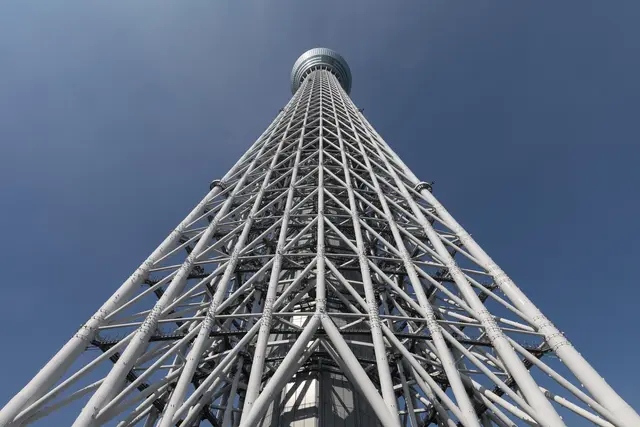
Plan 1.5–2 hours for the temple, pagoda, and shrine, longer if browsing Nakamise-dōri. Denboin Garden, a traditional strolling garden attached to the temple, opens only on limited days. Check locally before counting on entry. Asakusa’s Kappabashi kitchenware street and the Sumida River waterfront, with views toward Tokyo Skytree across the river, are both within a 10–15 minute walk and pair well with a temple visit. Photography is generally permitted throughout the grounds, though flash and tripods are discouraged inside the Main Hall.
Frequently asked questions
How do I get to Sensō-ji?
Take the Tokyo Metro Ginza Line or Toei Asakusa Line to Asakusa Station, Exit 1, which leads directly to the Kaminarimon gate. The Tobu Skytree Line and Tsukuba Express also serve nearby stations.
Is there an admission fee?
No — the temple grounds, Kaminarimon, Hōzōmon, and Main Hall are free to enter. Some optional attractions nearby, like the pagoda's interior, are not open to the public.
How long should I spend there?
Budget 1.5–2 hours to see the gates, Main Hall, Five-Story Pagoda, and Asakusa Shrine, plus browsing Nakamise-dōri. Add extra time if visiting during a festival.
What's the best time to visit to avoid crowds?
Early morning before 8-9am, or the evening after the shops close, is when the approach empties out. Weekends, holidays, cherry blossom season, and the mid-May Sanja Matsuri festival draw the largest crowds.
What else is nearby?
Kappabashi kitchenware street, the Sumida River promenade, and views of Tokyo Skytree are all within a 10-15 minute walk of the temple.
Plan your trip to Tokyo
Japan eSIM & staying connected →
Some links above are affiliate links — if you book through them, Wander Atlas earns a small commission at no extra cost to you. It's how we keep every guide free.
Related guides

This spot is Day 2 of our Tokyo 3-day itinerary
This spot is Day 2 of our Tokyo 5-day itinerary