Why go
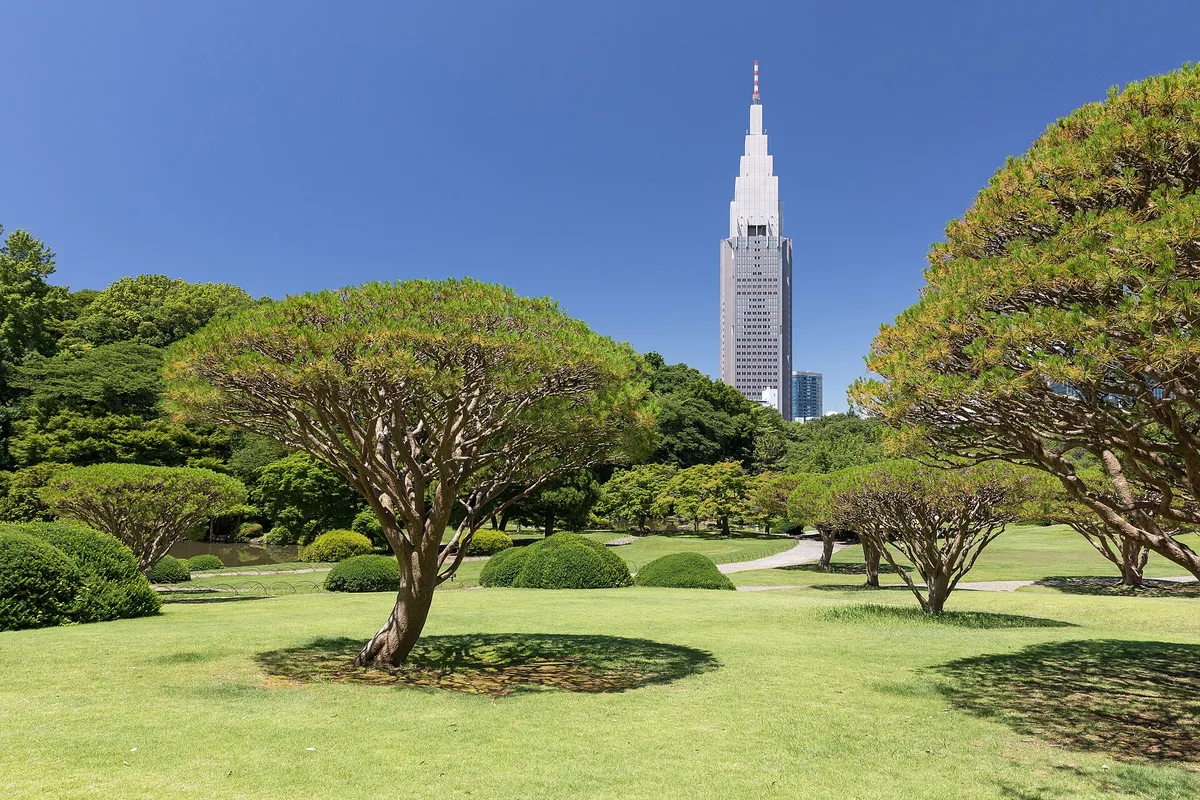
Despite sitting minutes from the chaos of Shinjuku’s skyscrapers and Kabukicho’s neon, Shinjuku Gyoen feels like a different country. The 144-acre grounds were once a feudal lord’s residence in the Edo period, later an imperial garden, and opened to the public after World War II. What sets it apart from Tokyo’s other green spaces is the deliberate mix of three distinct garden styles in one walled compound: a French formal garden with symmetrical rose beds, a sweeping English landscape garden of open lawns and cedar-lined paths, and a traditional Japanese garden with ponds, islands, arched bridges, and the Kyu Goryotei pavilion overlooking the water.
Because entry is ticketed and the park closes earlier than most Tokyo attractions, it draws a calmer, more deliberate crowd than the riverside parks, a rare bit of unhurried space in the world’s busiest metropolis.
Getting there
The most convenient entrance is Shinjuku Gate, a five-minute walk from Shinjuku-gyoenmae Station on the Marunouchi subway line. Take Exit 1 and follow the signs. Alternatively, Sendagaya Station on the JR Sobu Line feeds into the Sendagaya Gate on the park’s northeast side, and Shinjuku Station’s New South Exit is about a 10-minute walk to the Shinjuku Gate as well, useful if you’re combining the visit with shopping around Shinjuku Station.
There are three entrances total (Shinjuku, Sendagaya, and Okido gates), and tickets bought at one can’t be re-entered at another, so pick a gate near your next stop.

What to see and do
Start near the Shinjuku Gate side for the French Formal Garden’s rose allée, flanked by plane trees planted over a century ago. From there, the paths open into the English Landscape Garden, where the lawns are wide enough that even on a busy day you can find open grass to sit on, a rarity in central Tokyo. Head toward the Japanese Traditional Garden near the Naka-no-ike and Shita-no-ike ponds for the classic postcard view: a wooden arched bridge over still water backed by maples.
The large greenhouse (rebuilt in 2012) houses tropical and subtropical plants, including orchids and giant water lilies, and is worth 20–30 minutes, especially on a cold winter day. Budget 2 to 3 hours to walk the grounds without rushing; those focused on photography or a picnic lunch could easily spend half a day.
When to go
Shinjuku Gyoen is famous nationwide for cherry blossoms, with roughly 1,000 trees of some 65 varieties that bloom in a staggered sequence from late March into late April, because of this spread, it’s one of the more reliable spots in Tokyo to catch sakura even if you miss the peak elsewhere. Note that alcohol and large mats are prohibited, which keeps the cherry-blossom crowds notably more subdued than at Ueno Park.
Autumn, particularly mid-to-late November, brings vivid maple and gingko color in the Japanese Traditional Garden. Weekday mornings right after opening are the quietest time overall; weekends during peak bloom seasons get busy by mid-morning.
Nearby and practical tips
The park is closed on Mondays (or the following day if Monday is a holiday) and over the New Year period, confirm current hours and admission fees on the official site before visiting, as these have changed in recent years. Bags and outside food are allowed, but food and drink other than in designated rest areas is restricted in some garden sections, so check signage.
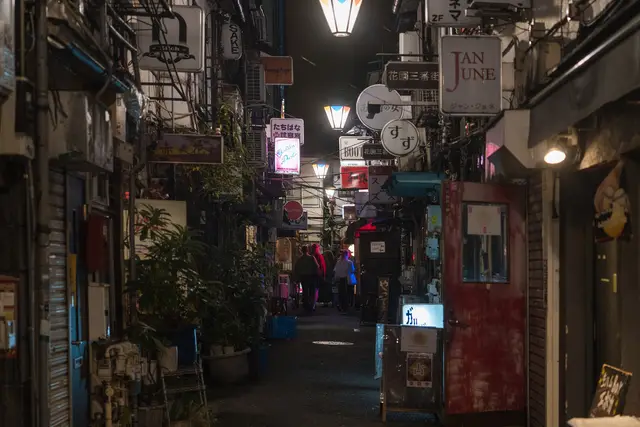
After visiting, the Sendagaya side puts you close to the National Stadium and Meiji Jingu Gaien, while the Shinjuku Gate side drops you back into the department stores and izakaya alleys of Shinjuku proper, a sharp contrast that makes the garden’s calm even more striking in hindsight.
Frequently asked questions
How do I get to Shinjuku Gyoen by train?
Take the Marunouchi Line to Shinjuku-gyoenmae Station, Exit 1, then walk about 5 minutes to the Shinjuku Gate. JR Sobu Line's Sendagaya Station also works via the Sendagaya Gate.
How much does it cost and is there an entrance fee?
Yes, admission is charged (it was a few hundred yen in recent years, with the greenhouse sometimes requiring a small additional fee). Prices have changed recently, so check the official Shinjuku Gyoen website before you go.
How long should I plan to spend there?
Most visitors spend 2 to 3 hours walking the three garden sections and greenhouse; picnicking on the English Garden's lawns or photographing cherry blossoms can extend a visit to half a day.
When is the best time to visit for cherry blossoms or fall foliage?
Cherry blossoms typically peak late March to early April, with staggered varieties blooming into late April. Fall foliage peaks mid-to-late November. Weekday mornings are quietest year-round.
Is the park open every day?
No, it's closed on Mondays (shifted to the next day if Monday is a public holiday) and during the New Year holidays. Always confirm current opening hours online before visiting.
Plan your trip to Tokyo
Japan eSIM & staying connected →
Some links above are affiliate links — if you book through them, Wander Atlas earns a small commission at no extra cost to you. It's how we keep every guide free.
Related guides

This spot is Day 1 of our Tokyo 3-day itinerary
This spot is Day 4 of our Tokyo 5-day itinerary