Sudirman Street Day and Night Market: Where to Eat in Bandung
When to visit Indonesia: month-by-month weather, crowds and holidays →
✓ Facts verified via Google Places · Sep 19, 2026
At a glance
Opening hours
- Monday: 10:00 AM – 11:00 PM
- Tuesday: 10:00 AM – 11:00 PM
- Wednesday: 10:00 AM – 11:00 PM
- Thursday: 10:00 AM – 11:00 PM
- Friday: 10:00 AM – 11:00 PM
- Saturday: 11:00 AM – 11:30 PM
- Sunday: 10:00 AM – 11:00 PM
Live foot-traffic data via BestTime.app
How this guide is made
Produced with AI assistance and reviewed against live data sources. Facts such as hours, ratings, and location come from Google Places; images are licensed or public domain. Details can change — please verify before visiting. Editorial policy
Why go
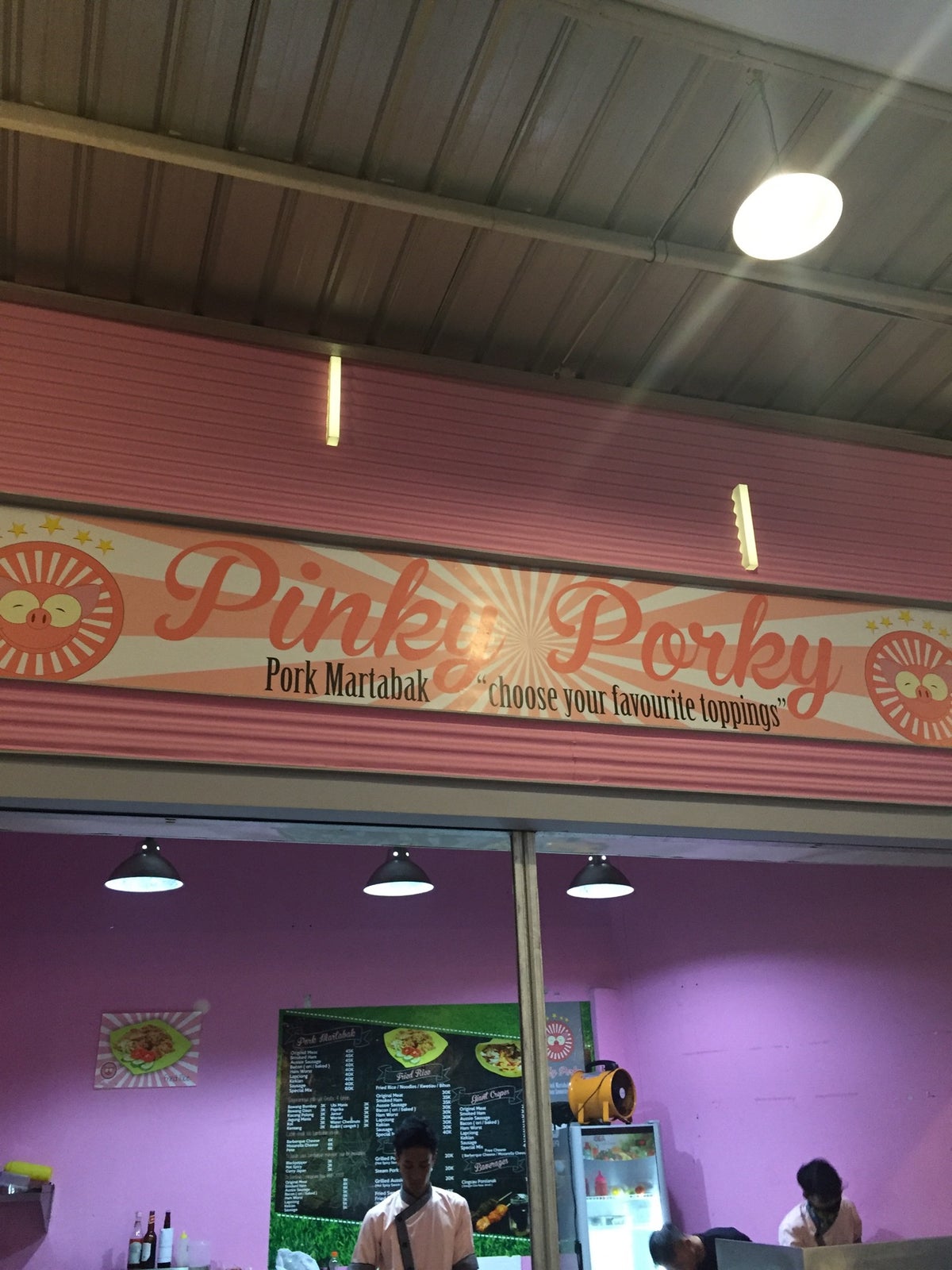
Jl. Sudirman in Bandung’s Astanaanyar district has long been one of the city’s densest strips of Chinese-Indonesian street food, and the Sudirman Street Day and Night Market is its most concentrated expression — dozens of stalls under one roof (or awning-covered strip), rated 4.5 from over 17,000 reviews. The draw isn’t a single dish but the range: Chinese-Bandung classics like siomay, bakpia, kwetiau goreng, and bakmi sit alongside Sundanese and broader Indonesian street snacks, with halal stalls clearly available among the non-halal ones.
It’s a food court in the loosest sense — closer to a covered night bazaar than a mall food hall — so the energy, noise, and smoke from the grills are part of the experience.
Getting there
The market sits on Jl. Sudirman No.107 in Karanganyar, Kecamatan Astanaanyar, in the older southwestern part of central Bandung, not far from the Chinatown-adjacent Jl. Pecinan Lama and Pasar Baru trading district. It’s roughly a 10–15 minute taxi or ride-hailing (Gojek/Grab) trip from Bandung’s main train station, Stasiun Bandung, and a similar distance from the Alun-Alun Bandung square. There’s no direct rail or metro link — Bandung doesn’t have a subway system — so ride-hailing apps or a metered taxi are the practical options; traffic on Jl.
Sudirman itself can be heavy in early evening, so factor in extra time getting to the door even if the market itself is close.
What to eat
Arrive hungry and plan to share plates across a few stalls rather than fill up at one. Look for siomay (steamed fish dumplings with peanut sauce), bakpia-style pastries, kwetiau and bakmi goreng, and grilled or fried Chinese-Indonesian snacks that made this stretch of Sudirman famous long before the market was formalized. Balance the richer fried items with something acidic or fresh — rujak or a simple iced drink — since many stalls lean toward fried and grilled flavors.
Halal stalls are mixed in among non-halal ones selling pork-based Chinese dishes, so if halal certification matters to you, ask directly at the stall or look for posted signage rather than assuming.
When to go
The market runs as both a day and night operation, but the night hours — roughly early evening onward — are when the full stall lineup, lighting, and crowd energy are at their best; some vendors that specialize in cooked-to-order grilled items only fire up later in the day. Weeknights are calmer than Friday and Saturday evenings, when the strip fills with both locals and visitors and stalls can have short queues.
Given Bandung’s tropical climate, an outdoor or semi-covered market like this is also more comfortable after the afternoon heat breaks, making evening the practical choice as well as the liveliest one.
How to visit like a local
This is a genuinely busy, well-known spot rather than an under-the-radar find, so the smartest strategy is timing rather than seeking a quiet secret hour that doesn’t exist. Aim for a weekday visit between roughly 5 and 7pm — after work traffic settles but before the peak dinner rush hits stalls hardest. Bring small denomination rupiah; most vendors at this kind of street-food market are cash-only or cash-preferred, and exact change speeds up ordering when stalls are slammed.
Order in short, direct phrases (“siomay satu, ya” or simply pointing and holding up fingers for quantity) — elaborate English menus aren’t the norm here. Don’t expect table service or a fixed seating area tied to one vendor; grab a spot, order from whichever stalls you want, and expect some overlap in shared tables. The most common visitor mistake is treating it like a sit-down restaurant with one big order — the better approach, and the one that gets the most out of the market, is walking the row first, seeing what’s fresh and busy (a queue at a stall is usually a good sign), and then circling back to order from two or three favorites.
Nearby to pair with your visit
Jl. Sudirman and the surrounding Astanaanyar area sit close to Bandung’s old Chinatown-influenced trading streets and Pasar Baru, a multi-story textile and goods market worth a short walk before or after eating. If you’re coming from central Bandung landmarks like Gedung Sate or Jl. Braga’s colonial-era buildings, the market makes a sensible dinner stop on the way back toward Stasiun Bandung.
Frequently asked questions
How do I get to Sudirman Street Day and Night Market?
It's on Jl. Sudirman No.107 in Astanaanyar, about 10–15 minutes by taxi or Gojek/Grab from Stasiun Bandung. There's no direct rail link, so ride-hailing apps are the easiest option.
How much does food cost there?
It's a budget-to-moderate street food spot (price level 2 of 4) — most items are inexpensive per stall, and the strategy is ordering several small dishes across different vendors rather than one large meal.
What's the best time to visit to avoid crowds?
Weeknight early evenings, roughly 5–7pm, are calmer than Friday and Saturday nights, which draw the biggest crowds. The market runs day and night, but night is when most stalls are in full swing.
Is halal food available?
Yes, halal stalls operate alongside non-halal ones selling Chinese-Indonesian pork dishes. Ask at individual stalls or check posted signage if halal certification is important to you.
How long should I plan to spend there?
An hour to 90 minutes is enough to walk the row, sample a few stalls, and grab a drink — it's a graze-and-move market rather than a sit-down, multi-course dinner venue.
Plan your trip to Bandung
Some links above are affiliate links — if you book through them, Wander Atlas earns a small commission at no extra cost to you. It's how we keep every guide free.
Related guides
 restaurant
 Hummingbird Eatery & Space: Where to Eat in Bandung
 trendy
 Wheels Coffee Roasters - Heritage Lifestyle Hub (Riau): Bandung Travel Guide
 attraction
 Gedung Sate: Bandung Travel Guide (4.7★)
 attraction