Why La Mercè takes over the city
For five days every September, Barcelona stops feeling like a city with a festival and starts feeling like a festival that happens to have a city wrapped around it. La Mercè honors the Virgin of Mercy, one of Barcelona’s patron saints, and over the decades it’s grown from a religious observance into the biggest free public party in Catalonia. You notice it before you see a single event: scaffolding for stages going up along Passeig de Gràcia, hardware stores selling out of earplugs, neighborhood WhatsApp groups buzzing about which street corner has the best view of the fire run.
What actually happens
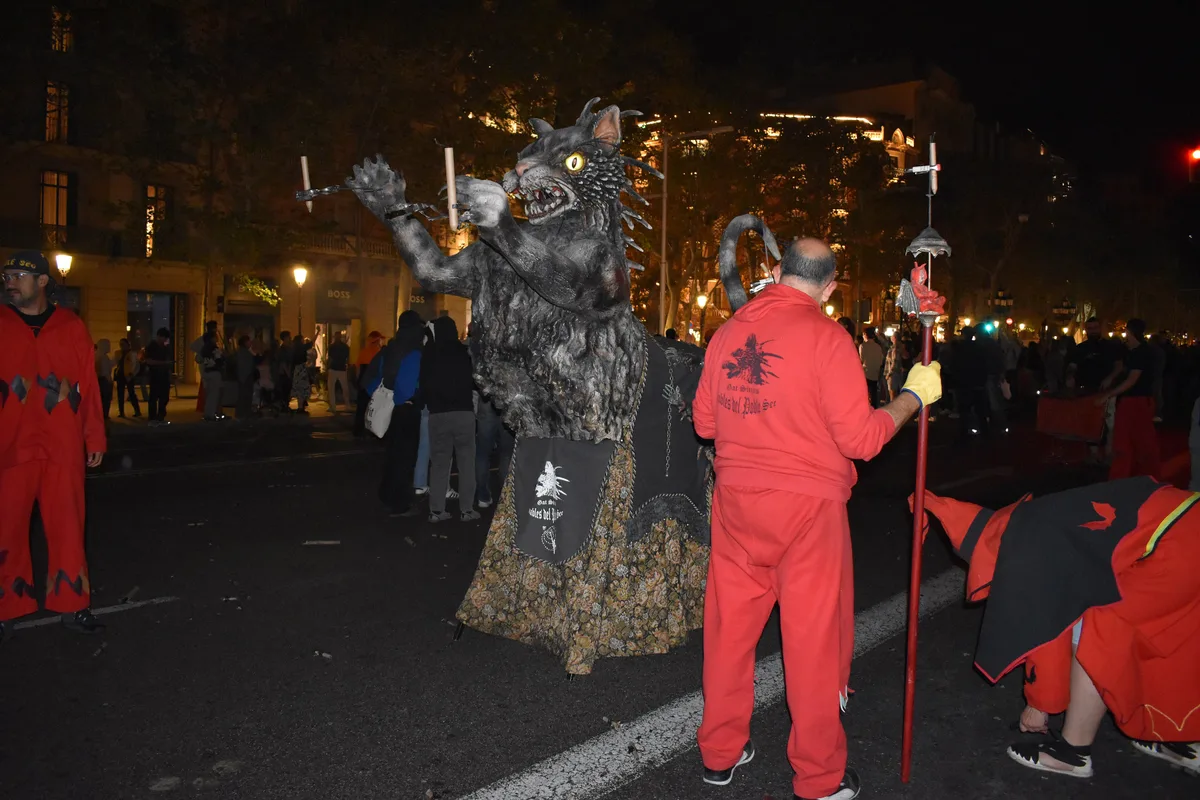
The signature spectacle is the correfocs, literal fire runs, where costumed devils and dragons spin sparking fireworks through the crowd along a set route, usually funneling down Via Laietana toward the harbor. Closed shoes and tied-back hair are standard among people who stand near the route, and coming away smelling a little scorched is part of the tradition, not a malfunction. Just as central are the castells, the human towers that UNESCO recognizes as intangible heritage: teams stack themselves eight or nine people high in Plaça Sant Jaume while the crowd holds its breath for the “enxaneta,” the child who climbs to the top and raises a hand to signal completion.
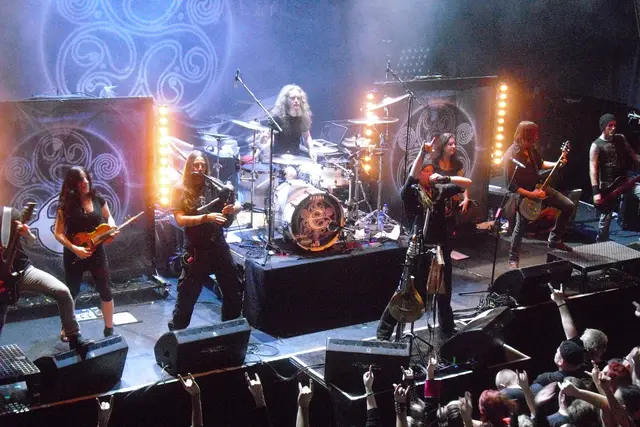
Alongside these are the gegants, giant painted-and-costumed figures on stilts-like frames, parading through the Gothic Quarter, plus free concerts on stages scattered from Montjuïc to Ciutadella Park, ranging from Catalan rock to international touring acts.
Getting there and getting around
Almost every neighborhood plugs into the festival, but the historic core does the heaviest lifting. Metro L4 (yellow) to Jaume I puts you steps from Plaça Sant Jaume and the Gothic Quarter processions; L1 or L3 to Catalunya drops you at the top of Via Laietana and Las Ramblas. For Montjuïc concerts or fireworks, L2 or L3 to Paral·lel connects to the funicular up the hill.
Several central streets close to traffic during peak hours, and the metro is unusually packed in the early evening as the correfocs and concerts converge, so journeys across the center take longer than the map suggests.
When to go during the five days
The festival builds through the week and peaks on the weekend closest to September 24th, when the correfocs, main castellers exhibition, and closing fireworks over the harbor typically land. Daytime hours on the opening day or two are noticeably lighter: giant-figure parades and family-oriented activities dominate before dusk, while the fire runs and big-name concerts draw the largest crowds after dark.
The full day-by-day program — specific stages, set times, exact processional routes — is typically settled only a few weeks out, so any schedule circulating in advance is provisional.
How to visit like a local
Locals treat La Mercè as a marathon, not a sprint: they pick two or three events they actually care about rather than trying to see everything, since the program fills dozens of venues nonstop. Payment for the festival itself is a non-issue, since almost all the headline events are free and outdoors; cash or card is mainly for food trucks and bars along the routes, where lines move faster with small bills ready.
For the correfocs specifically, seasoned attendees stand back from the barriers rather than pressing against them, since sparks travel further than newcomers expect, and they avoid anything synthetic that could melt or catch. The most common tourist mistake is showing up right at a headline event’s start time expecting a clear view; regulars stake out a spot along the route at least 30–45 minutes early, especially near Plaça Sant Jaume for the castells.
A quieter vantage point is one or two streets off the main routes, where the drums still carry and the gunpowder still hangs in the air without the elbow-to-elbow crush.
Practical notes
September in Barcelona is warm, often still beach weather during the day, cooling only slightly at night — heat by day, with a layer useful for outdoor evening concerts. Accommodation in the Gothic Quarter and Born fills up for this week, and rooms within walking distance of the main events go first. Road closures around the correfocs route and the main squares are part of the week, and they shift as the program moves from district to district.
Frequently asked questions
What are the exact dates for La Mercè 2026?
The festival was set for September 20–24, 2026. That is the usual La Mercè window, built around September 24, the feast day of the Virgin of Mercy.
Do I need tickets?
No, for the vast majority of events. Correfocs, castellers, giant-figure parades, and most concerts are free and open-air. A specific stage or venue can occasionally require registration, and that varies from year to year.
What's the best area to base myself for the festival?
The Gothic Quarter and Born neighborhoods, near Metro Jaume I (L4) or Catalunya (L1/L3), are within walking distance of the main correfocs route on Via Laietana and the castellers in Plaça Sant Jaume.
When should I arrive to get a good spot for the fire run or human towers?
Regulars turn up 30–45 minutes before the stated start time for marquee events like the castellers in Plaça Sant Jaume. Those squares fill fast, and locals stake out spots early.
Is La Mercè suitable for kids?
Daytime events like the giant-figure (gegants) parades are family-friendly. The evening correfocs fire runs involve fireworks and dense, moving crowds, and families with small children generally keep well back from them.
Plan your trip to Barcelona
Spain eSIM & staying connected →
Some links above are affiliate links — if you book through them, Wander Atlas earns a small commission at no extra cost to you. It's how we keep every guide free.