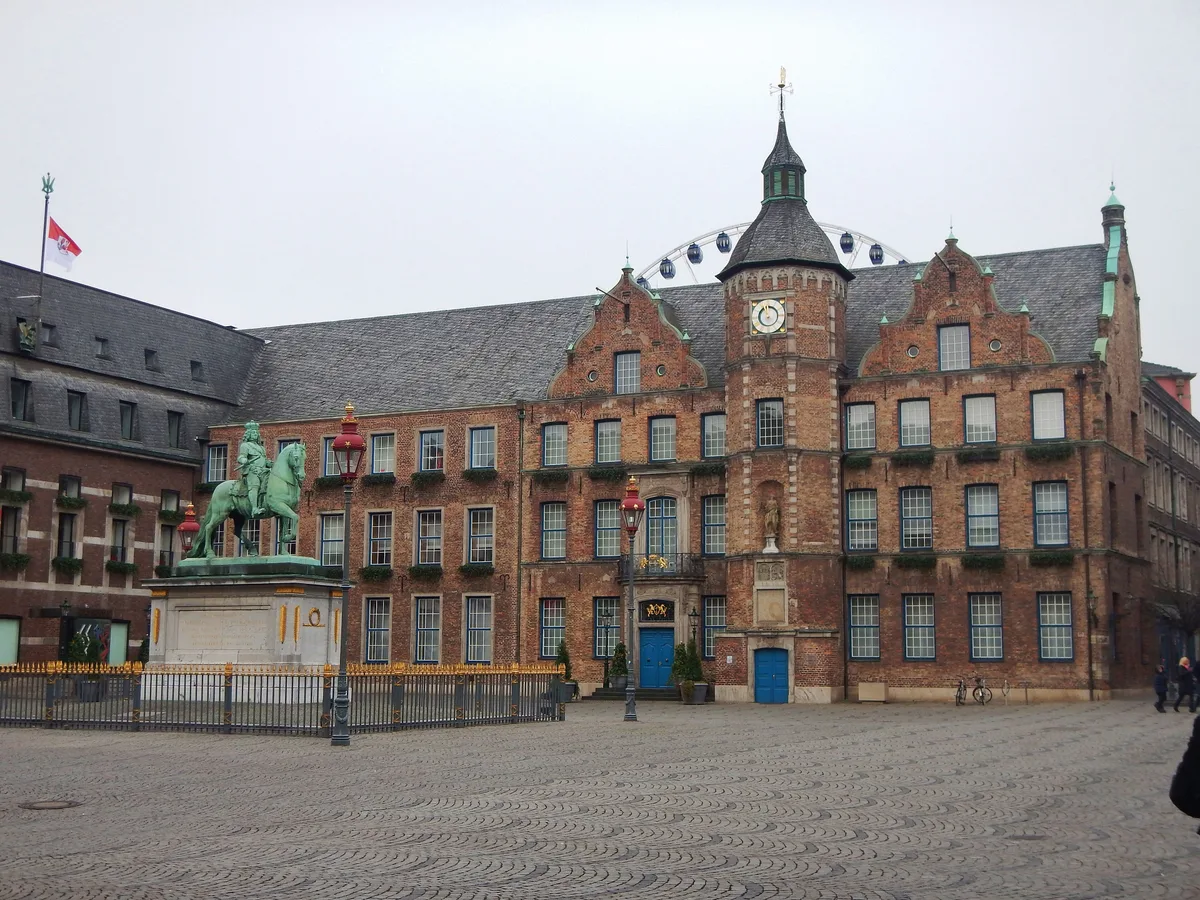
A horse and rider in dark bronze stand at the centre of the cobbles. Behind them rises a town hall with stepped gables and a slim tower. That pairing of Jan Wellem and the Rathaus is the Marktplatz, and it has been Düsseldorf’s civic front room for more than four centuries.
The square sits at the western edge of the Altstadt. The Rhine is a short block away, and the bar streets begin a few steps the other way. Plenty of visitors cross it without stopping. Stopping is the better plan.
The Rathaus and the Man on the Horse
Start with the town hall. The oldest wing of the Rathaus went up in the early 1570s, a Renaissance building with an octagonal stair tower that still sets the tone for the whole square. Later wings were added over the centuries. Together they close off one side of the Marktplatz like a stage set.
The statue in front is the real draw. It shows Johann Wilhelm II, Elector Palatine, known to everyone here as Jan Wellem. Gabriel de Grupello cast it in the early 18th century, and it is counted among the finest Baroque equestrian statues north of the Alps.
Walk a full circle around the plinth. The horse’s raised foreleg and the elector’s flowing wig read differently from each side. From the Rathaus steps you get the classic photo, with the rider framed against the gabled houses opposite.
The Silver Spoon Legend
Every local guide tells the same story. While the statue was being cast, the story goes, the bronze ran short. Townspeople supposedly threw their silver spoons and cutlery into the molten metal to save it.
Historians treat this as legend rather than record. It still explains something real about the square: Düsseldorfers have long felt Jan Wellem belongs to them, not just to the court. Jan Wellem ruled from Düsseldorf in an era of court building and patronage, and the city never stopped crediting him.
Carnival Starts Here
The Marktplatz has a fixed role in the calendar. On 11 November at 11:11am, the carnival season is formally opened in front of the Rathaus with the awakening of the Hoppeditz, Düsseldorf’s carnival jester figure. Crowds in costume pack the cobbles for it.
The same figure is ritually “buried” on Ash Wednesday, closing the season. In between, the Altstadt swells around Rosenmontag, the Monday of the big parade. If you are in town on any of these dates, this square is where the city’s carnival identity is most concentrated.
Winter on the Cobbles
From late November the square becomes one of the sites of Düsseldorf’s Christmas markets. Wooden stalls fill the space between the statue and the Rathaus, which acts as the backdrop for the whole scene. Expect the usual Rhineland market fare:
- Glühwein in returnable mugs (you pay a deposit and get it back when you return the mug)
- Reibekuchen, the fried potato pancakes served with apple sauce
- Bratwurst and roasted nuts
- Handmade ornaments and gifts
The square is open around the clock, but the market runs on its own seasonal schedule. Check the city’s official Christmas market page for this year’s dates and stall hours before planning an evening around it.
Reading the Square Like a Düsseldorfer
There’s no gate and no ticket. The square is public space, so you can cross it at midnight or at dawn. What you do around it is what marks you out.
- Order Altbier, not “a beer.” The dark, top-fermented local beer comes in small, straight glasses called Stangen. The brewery taverns Füchschen, Schlüssel, Schumacher and Uerige are all within walking distance.
- Let the Köbes work. The blue-aproned waiters in the old brewhouses swap your empty glass for a full one without asking. To stop, put your beer mat on top of the glass.
- Don’t order Kölsch. The rivalry with Cologne is mostly good-humoured, but asking for Cologne’s beer in Düsseldorf gets you a look.
- Mind the cobbles. They are uneven and slick when wet, which matters for wheels and heels.
For photographs without crowds, a weekday morning before the Altstadt’s restaurants open tends to beat the afternoon. The square is also lit after dark, and it’s easier to see the Rathaus façade properly once the day-trippers thin out.
Getting There and Walking On
The nearest U-Bahn station is Heinrich-Heine-Allee, served by several underground lines, including the U70 and U74 to U79. From there the walk to the square takes a few minutes through the Altstadt lanes. From Düsseldorf Hauptbahnhof, ride the U-Bahn to Heinrich-Heine-Allee. Walking takes about 25 minutes.
The square works best as a hub on a walk through the Altstadt. Within a few minutes on foot you reach:
- Burgplatz and the Schlossturm, the surviving tower of the old palace, right on the river
- The Rheinuferpromenade, the riverside walkway, for a stroll along the Rhine
- St. Lambertus, the church with the famously twisted spire
- Bolkerstraße, the bar street, which also holds Heinrich Heine’s birthplace
A sensible loop runs from the Marktplatz to Burgplatz and the river, south along the promenade, then back through the lanes for an Altbier.
When the Square Is at Its Best
Each season gives the square a different job. Summer brings café tables and long evenings by the nearby river. Late November to December belongs to the Christmas market. Carnival dates turn it into the city’s party ground.
On an ordinary day you need less than half an hour here. The square rewards slowing down, though: sit on the Rathaus steps, look up at Jan Wellem and let the Altstadt move around you.
Frequently asked questions
How do I get to the Marktplatz in Düsseldorf?
Take the U-Bahn to Heinrich-Heine-Allee, served by lines including the U70 and U74–U79, then walk a few minutes through the Altstadt. From the Hauptbahnhof it's a short U-Bahn ride or about a 25-minute walk.
Is the Marktplatz open at night?
Yes. It's a public square, accessible at any hour. Seasonal events like the Christmas market run on their own schedules, so check the city's official pages for those dates and times.
How long should I spend at the Marktplatz?
20–30 minutes covers the Rathaus façade and the Jan Wellem statue. Plan longer if you combine it with Burgplatz, the Rhine promenade and an Altbier in the Altstadt.
When does the carnival season start at the Marktplatz?
On 11 November at 11:11am, when the Hoppeditz is 'awakened' in front of the Rathaus. The season closes with his ritual burial on Ash Wednesday.
What's near the Marktplatz worth seeing?
Burgplatz with the Schlossturm, the Rheinuferpromenade, St. Lambertus church with its twisted spire, and Bolkerstraße, home to Heinrich Heine's birthplace and several Altbier taverns.
Plan your trip to Düsseldorf
Germany eSIM & staying connected →
Some links above are affiliate links — if you book through them, Wander Atlas earns a small commission at no extra cost to you. It's how we keep every guide free.
Related guides
 hidden gem
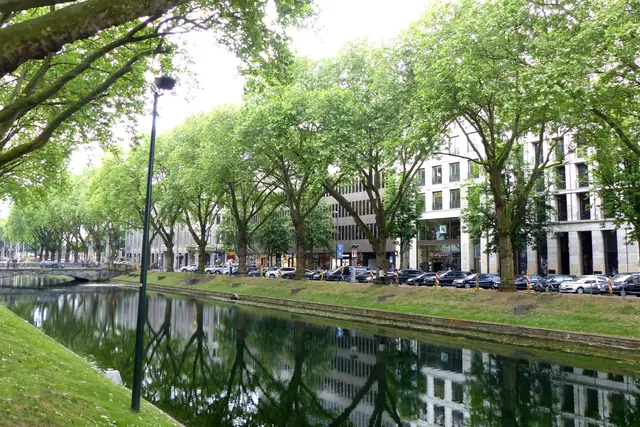
Stadtgraben: Düsseldorf Travel Guide (4.7★)
 attraction
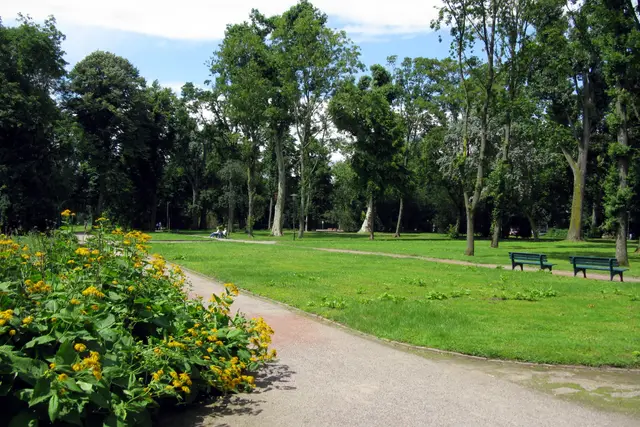
Hofgarten: Düsseldorf Travel Guide (4.6★)
 attraction
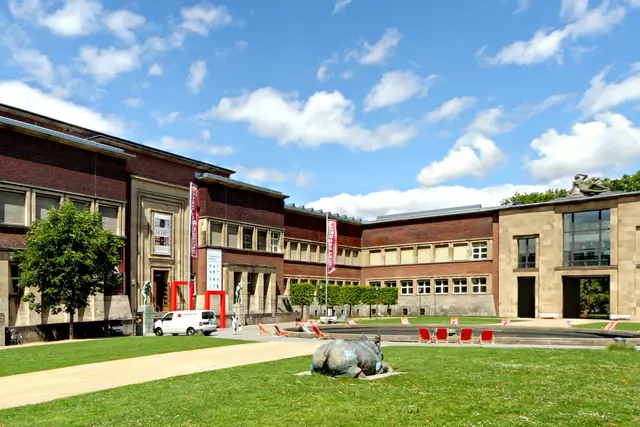
Museum Kunstpalast: Düsseldorf Travel Guide (4.6★)
 attraction