
Windows that are not windows
Stand in the inner courtyard and count the oriel windows. Several of them are flat paint. Around 1500, the Prince-Bishops of Augsburg had the walls of their summer residence covered in illusionist architecture: painted window frames, bays and corner details that look carved until you get close. Your eye keeps getting caught out, and that is the point.
The castle sits on the hill at Magnuspl. 10, directly above Füssen’s old town. Its pale walls and stepped gables face the Lech river on one side and the rooftops on the other. Most visitors pass through Füssen on the way to Neuschwanstein. This is the castle the town actually lived under.
Inside the bishops’ rooms
The interior is a gallery first. It does not try to be a furnished palace. The upper floors hold a branch of the Bavarian State Painting Collections, with late Gothic and Renaissance panel paintings and carved figures from the Allgäu and Swabia. Gold backgrounds, saints with local faces and altar wings dominate these rooms.
The showpiece is the Rittersaal, the knights’ hall. Its coffered wooden ceiling is the detail people tilt their heads back for. Take a few minutes under it rather than walking straight through. Further rooms hold the municipal picture collection, mostly later regional painting, which gives you a sense of how the town saw itself.
Plan on:
- 20–30 minutes for the courtyard and the outside walls
- 60–90 minutes if you go through the galleries and climb the tower
- Half a day if you add St. Mang and a walk down to the Lech
Up the clock tower
The tower climb is narrow stairs and wooden steps. It ends in a view that explains why the bishops built here. On a clear day you look south over the Lech valley to the Alps. The Forggensee spreads out to the north, and you can pick out the red roofs of the old town below.
The stairs are tight and there is no lift. If you have a large backpack or a pushchair, leave it below or skip this part. Bring a layer as well, because the top is exposed to whatever wind comes down the valley.

Weekends, Mondays and the better days
Timing matters more here than anywhere else in town. The castle opens 10am to 5pm, Tuesday through Sunday. It is closed on Mondays, which catches out plenty of people on a Monday day trip from Munich.
Weekends are the problem. Saturdays and Sundays stay busy for the whole 10am–5pm opening window, with no quiet lull to aim for. If you can choose, come Tuesday to Friday. If a weekend is your only option, at least expect company in the galleries and on the tower stairs.
Moving through the castle
The gallery rooms run one after another, and visitors take them in roughly the same order. If a room is crowded, keep going and loop back. Space tends to open up once a group has moved on. Here is how the visit usually goes:
- Tickets are bought at the castle itself. Check the official Füssen museums website or the desk for current prices; none are listed here.
- Photography rules can differ between the courtyard and the galleries. Look for signs before you take the camera out among the panel paintings.
- Greetings are a polite “Grüß Gott” at the desk. That is the normal Bavarian hello, and staff respond warmly to it.
- Payment is often cash in small Bavarian towns, so carry some euros in case the card reader is out.
- Quiet is expected in the galleries. Treat them like a church, since half the art came out of one.
Do the courtyard last if you can. By then you know the real carved stone from the gallery rooms, and the painted fakes are much easier to spot.
Down the hill from Magnusplatz
The castle shares its hill with the former Benedictine abbey of St. Mang. Its baroque church and the Museum der Stadt Füssen sit just below, so it is easy to pair them in one visit. From there, Reichenstraße runs through the old town, with painted house fronts that echo the castle’s style.
A few minutes’ walk takes you to the Lech, where the Lechfall weir sends the turquoise river through a narrow gorge. Füssen station is about a ten-minute walk from the castle. Buses to Hohenschwangau, for Neuschwanstein and Hohenschwangau castles, leave from beside the station. That makes Hohes Schloss easy to fit in on the morning or afternoon either side of the royal castles.
Frequently asked questions
When is the quietest time to visit Hohes Schloss?
Weekends are busy for the whole of opening hours, 10am–5pm, so there's no quiet window on Saturday or Sunday. Your best option is a weekday, Tuesday to Friday. The castle is closed on Mondays.
How do I get to Hohes Schloss from Füssen station?
Walk. It takes about ten minutes, heading through the old town and uphill to Magnuspl. 10. The last stretch is a short climb on foot.
How long should I spend at Hohes Schloss?
You'll want roughly 60–90 minutes for the courtyard, the galleries, the Rittersaal and the clock tower. If you're only looking at the painted courtyard, 20–30 minutes is enough.
What is Hohes Schloss known for?
It was the late Gothic summer residence of the Prince-Bishops of Augsburg. People come for the trompe-l'oeil painted courtyard walls, the regional art from the 1500s, the coffered ceiling of the Rittersaal and the view from the tower over the Lech and the Alps.
What can I combine with Hohes Schloss?
St. Mang Abbey and the Museum der Stadt Füssen are right below it. The Lechfall is a few minutes' walk away. Buses to Neuschwanstein and Hohenschwangau leave from beside Füssen station.
Plan your trip to Füssen
Some links above are affiliate links — if you book through them, Wander Atlas earns a small commission at no extra cost to you. It's how we keep every guide free.
Related guides
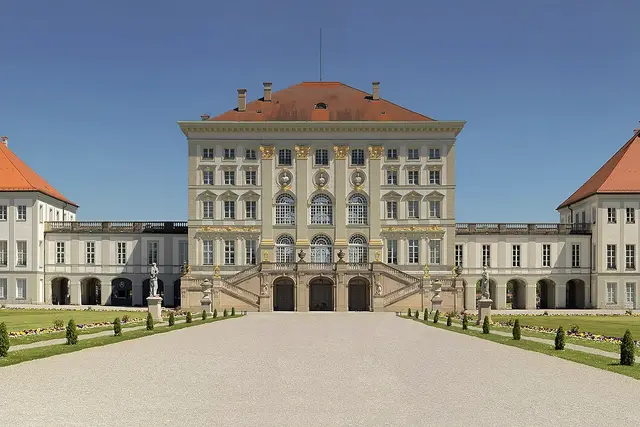 attraction
 Nymphenburg Palace: Munich Travel Guide (4.6★)
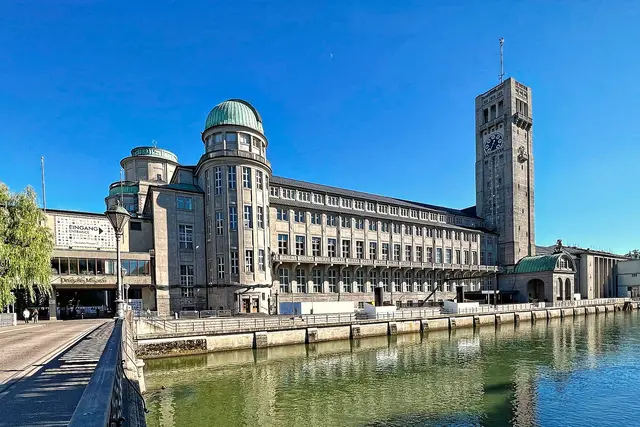 hidden gem
 Deutsches Museum: Munich Travel Guide (4.5★)
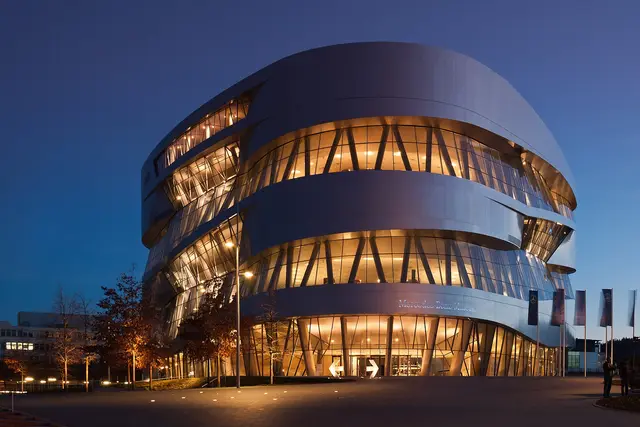 attraction
 Mercedes-Benz Museum: Stuttgart Travel Guide (4.8★)
 attraction