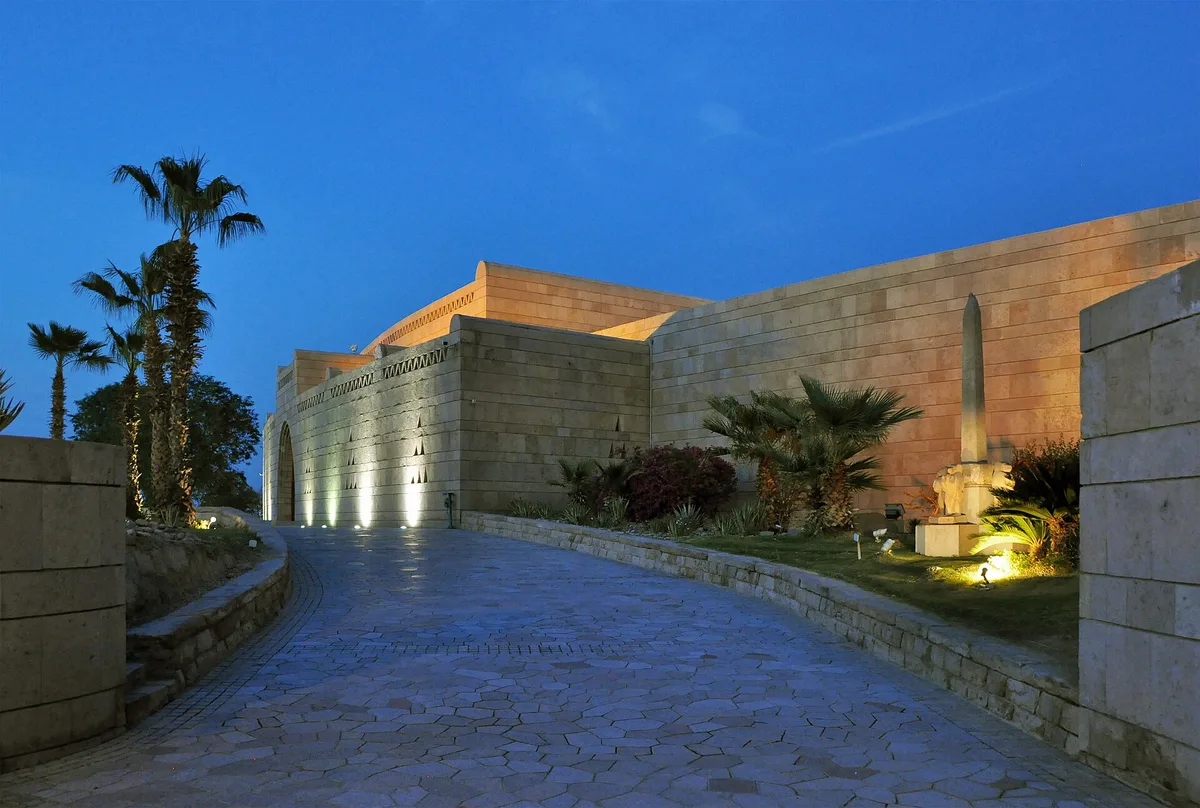
A building that looks like it grew out of the rock
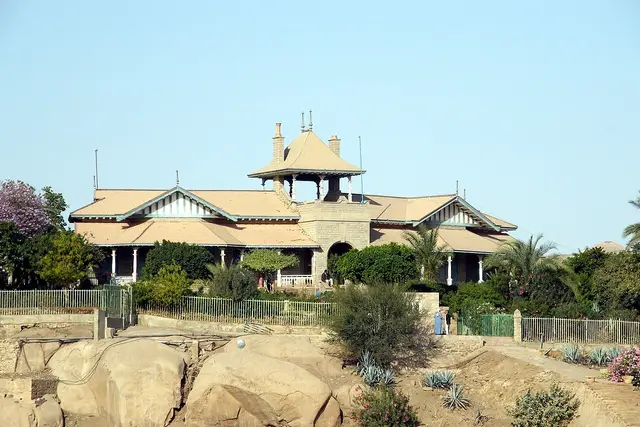
The museum keeps a low profile on purpose. Its sandstone and granite walls step down the slope in the colours of the Aswan cliffs. The style draws on Nubian village building, so from the street you see terraces and blocky volumes, with no grand column front.
Egyptian architect Mahmoud El-Hakim designed it. It opened in 1997 with UNESCO backing, part of the long international effort that began when the Aswan High Dam threatened Nubia’s monuments. In 2001 the building won an Aga Khan Award for Architecture. You can feel why as you go down into the cool, dim main hall.
Following Nubia downhill through time
The galleries run in date order. You start with prehistoric tools and rock art. From there you move through the pharaonic era, the Kushite kingdoms, Christian Nubia and finally the Islamic centuries. The lighting is low and the cases are spaced well apart, so you can follow the thread without fighting for space.
Look out for these:
- The colossal Ramesses II near the start, a scale lesson for what was rescued from the flood zone.
- The Kushite pieces, including work tied to Taharqa, the Nubian pharaoh who ruled Egypt in the 25th Dynasty.
- Christian-era fragments from Nubia’s medieval churches, a chapter most Nile itineraries skip.
- The ethnographic dioramas: life-size scenes of a Nubian house, a wedding and village crafts.
That last section is the emotional centre. The whole museum exists because those villages went under Lake Nasser in the 1960s. Their people were moved to new settlements, and the dioramas preserve a way of life the reservoir erased.
The rescue story behind the cases
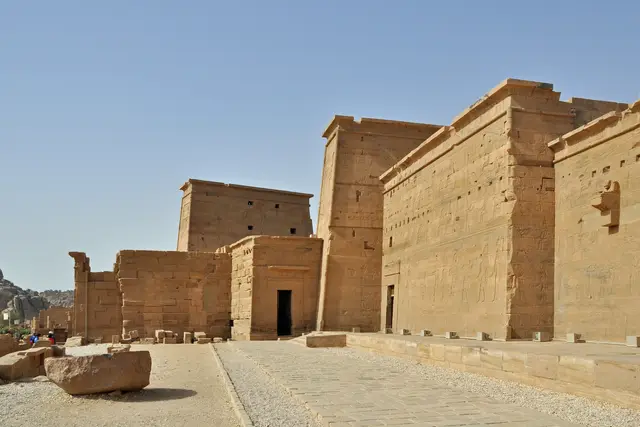
Many visitors arrive having already seen Philae or Abu Simbel, both cut apart and moved to higher ground. The museum explains that operation with models and photographs. It also shows what couldn’t be saved.
If you’re heading to Abu Simbel next, see this first. The temples make more sense once you understand the landscape that disappeared around them.
The garden most people rush past
Don’t leave straight from the last gallery. The museum stands in landscaped grounds that slope down the hill. Paths wind past an artificial stream that stands in for the Nile, replica rock carvings and a reconstructed Nubian house.
There’s little shade on the lower paths, and Aswan gets fiercely hot for much of the year. Walk the garden straight after your morning visit inside, while the sun is still low. Leave it until mid-afternoon and it’s a different experience.
Thursday and Friday after dark
At the moment the museum keeps an unusual schedule. It opens 9am–5pm every day. On Thursdays and Fridays it also reopens for an evening session from 6pm to 9pm. That makes it one of the few major sights in Aswan you can visit after sunset on those nights.
Don’t arrive at 5:30pm expecting to wander in: it shuts between sessions. Like most Egyptian museums, its hours can shift with the season, during Ramadan and on public holidays. Check the official antiquities site before you plan around the evening opening.
Getting the timing right
According to forecast foot-traffic patterns, the first hour is reliably calmest: 9am–10am on both weekdays and weekends. Try not to arrive between 2pm and 5pm on weekends. Groups arrive then, and the dioramas get crowded.
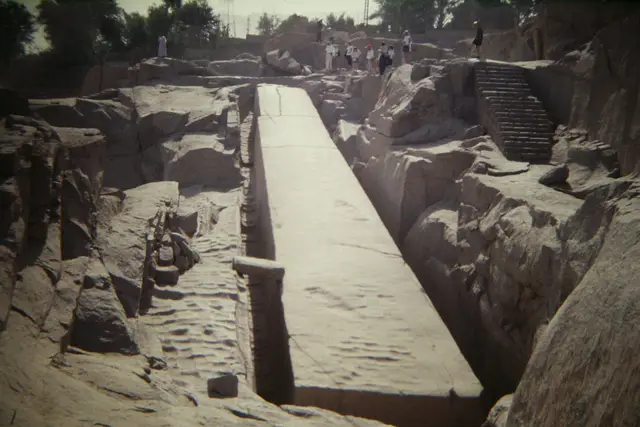
Two hours covers the galleries and the garden at an easy pace. History readers can stretch it to three. The museum is a good pairing with the Unfinished Obelisk, out in the granite quarries a short taxi ride away. The old Fatimid Cemetery, with its mudbrick domed tombs, lies close by on the same side of town.
Doing the museum the Aswan way
The museum sits up the hill from the Corniche, on the stretch near the Old Cataract Hotel. From the riverfront it’s a walkable but steep climb. In the heat most people take a taxi or a ride-hailing car and walk back down afterwards. Ask the driver for “el-Matḥaf en-Nūbī”.
- Tickets: buy them at the window by the entrance. The current price is posted there and on the official antiquities site. Ticket offices at Egyptian sites have been moving toward card payment, so carry a card as well as some cash.
- Photography: rules for phones and cameras can change, so ask at the ticket desk rather than assume.
- Dress: shoulders and knees covered is the norm in Aswan. It also helps with the sun in the garden.
- Guides: freelance guides sometimes offer their services near the gate. The wall labels are in English and do a solid job if you’d rather go alone.
Many people in Aswan are Nubian, and this museum is about their families’ history. A greeting of “salaam aleikum” to the guards goes down well. So does a little patience in the village section, where some visitors are looking at a life their grandparents lived.
Afterwards, head down to the Corniche and take a felucca or the public ferry across to Elephantine Island. Its Nubian villages are still lived in, and you’ll recognise what the dioramas showed you.
Frequently asked questions
When is the quietest time to visit the Nubian Museum?
The forecast puts the quietest window at 9am–10am, on weekdays and at weekends alike. The busiest period is weekends from 2pm to 5pm, so avoid it if you can.
How long should I spend at the Nubian Museum?
Allow about two hours for the indoor galleries and the landscaped garden. Three hours suits a slow read of the history sections.
Can I visit the Nubian Museum in the evening?
At the moment it has an extra 6pm–9pm session on Thursdays and Fridays, as well as daytime hours of 9am–5pm every day. It closes between 5pm and 6pm. Hours can change by season and during Ramadan, so check the official site first.
How do I get to the Nubian Museum from the Corniche?
It's up the hill from the Corniche, near the Old Cataract Hotel. You can walk the steep climb, but in the heat most visitors take a short taxi or ride-hailing trip up and walk back down.
What else is near the Nubian Museum?
The Fatimid Cemetery is close by. The Unfinished Obelisk is a short taxi ride away. Down on the Corniche you can catch a felucca or ferry to Elephantine Island.
Plan your trip to Aswan
Egypt eSIM & staying connected →
Some links above are affiliate links — if you book through them, Wander Atlas earns a small commission at no extra cost to you. It's how we keep every guide free.