
The yellow fleet at the Banquina
Start at the water, not the restaurants. The Banquina de Pescadores is the inner wharf where Mar del Plata’s small coastal fishing boats tie up. Their wooden hulls are painted a deep yellow-orange, packed so close together that the decks almost form one floor.
These boats are why the port exists as a neighbourhood. Fishermen from southern Italy settled here in the late 1800s and early 1900s, and the barrio still carries Italian surnames, saints’ images and a cooking style built on what comes off the boats. Further out, the bigger trawlers of Argentina’s main hake fishery work the outer docks.
What you see on an ordinary day:
- Nets, crates and coiled rope piled along the quay
- Gulls working the edges of anything being unloaded
- Rust-streaked trawlers moored behind the small boats
- The breakwater stretching out toward open Atlantic
This is a working port, so trucks and forklifts move along parts of the dock. Stay on the walkways and out of the unloading areas.
Sea lions on the Escollera Sur
You hear the colony before long. Along the southern breakwater, the Escollera Sur, a colony of southern sea lions hauls out on the rocks and on scrap wood near the wharf. It is mostly a male colony, and the big bulls with thick manes are the ones that draw a crowd.
The sea lions lie in heaps and bark, and they shuffle around to claim space. The smell is strong and fishy, and it gets stronger on warm days. There is a viewing area, but most of the colony is close enough to watch from the walkway without binoculars.
A few rules people do not always follow:
- Do not feed them, even with scraps from the cantinas
- Do not climb down onto the rocks for a closer photo
- Keep children back from the edge: adult males are heavy and fast over short distances
Rabas, cornalitos and the port cantinas
Across from the wharf, the Centro Comercial del Puerto and the streets around it are lined with seafood restaurants. Most are big, plain dining rooms where tables of families share plates, with a few more polished places among them. The editorial line on the port as “lined with seafood shacks” is fair, though most are now proper restaurants and not huts.
What to order:
- Rabas: rings of squid, battered and fried, with lemon. They are the default first plate on the table.
- Cornalitos: tiny whole fried fish eaten like chips
- Merluza: hake, the port’s main catch, fried or a la romana
- Cazuela de mariscos: a seafood stew served in a clay dish
- Paella: often sized for two or more
Portions in Argentine seafood places run large. One plate of rabas usually covers two people as a starter.

Getting a table without the summer crush
Lunch here is a ritual, and the timing shapes your whole visit. Argentines eat late. Lunch fills the dining rooms in the early afternoon and dinner does not really start until after nine in the evening. If you sit down when the restaurants first open for lunch, you usually get a table before the families arrive.
How it works once you are inside:
- Many places add a cubierto, a per-person charge for bread and table service, to the bill. It is normal, not a scam.
- Tipping is customary: leave around 10% for the waiter, often in cash, because card machines do not always let you add it.
- Cash in pesos, bank transfer and QR payments through Mercado Pago are all widely accepted. Ask before ordering if you plan to pay by foreign card.
- Prices sit on the printed menu or the board outside. Check them before sitting, because they change often.
In January and on long weekends, some popular places run a waiting list at the door. Give your name and walk the wharf while you wait.
Getting to the port from the Rambla
The port is south of the city centre, a few kilometres down the coast from the Casino and the Rambla. A taxi or ride-hail from downtown is short and the easiest option. City buses also run to the Puerto neighbourhood. Ask your hotel which line stops nearest the Banquina, or check a transit app.
If you have the legs for it, walk down along the coast from Playa Grande. The route takes you past the beaches and the Escollera Norte area before the cranes and trawlers take over. It is a good way to see the change from beach town to fishing town.
Driving is possible, but parking near the restaurants fills fast on summer weekends. The Base Naval Mar del Plata, the navy’s submarine base, sits right beside the port, so some roads and gates are restricted.
Through the day and through the year
Google currently lists the port area as open 24 hours, and the wharf is a public space. The restaurants, shops and harbour boat operators keep their own hours, so check the ones you want before planning around them.
Mornings are the best time for watching the boats and the working dock. You will see the fishing side of the port before the lunch trade takes over. Late afternoon light on the yellow hulls is the photographers’ favourite, and that is a good time to see the sea lions before an early dinner.
Seasonally, Mar del Plata is Argentina’s classic summer resort. In January and February the whole city fills with domestic holidaymakers and the port is busiest. Spring and autumn are calmer and still pleasant on the water. Winter is cold and windy on the breakwater, but the cantinas stay in business.
Around the port
Two to three hours covers the wharf, the sea lions and a full lunch. Add time if you take one of the harbour boat trips that leave from the docks in the warmer months. Ask at the wharf what is running that day.
Nearby, within easy reach:
- Playa Grande, the city’s best-known beach, just north
- Punta Mogotes, the long strip of beach resorts to the south
- The Gruta de Lourdes, a hillside grotto shrine in the Puerto neighbourhood
- The Rambla and Casino, the centre of Mar del Plata, a short ride back up the coast
Pair the port with an afternoon at Playa Grande and you have the whole Mar del Plata day: fish, sea lions, sand.
Frequently asked questions
How do I get to Puerto de Mar del Plata from the city centre?
It is a few kilometres south of the Casino and the Rambla. A taxi or ride-hail is quickest. City buses also run to the Puerto neighbourhood, so check a transit app for the current line. You can also walk the coast from Playa Grande.
Where exactly are the sea lions?
The colony of southern sea lions hauls out on the Escollera Sur, the southern breakwater, close to the fishing wharf. You can watch from the walkway. Do not feed them or climb onto the rocks.
What should I eat at the port?
Rabas (fried squid rings) are the classic first plate. After that, try cornalitos, fried merluza (hake), a cazuela de mariscos or a paella to share. Portions are big.
How long should I spend there?
Two to three hours covers the Banquina de Pescadores, the sea lions and a long seafood lunch. Add time for a harbour boat trip in the warmer months.
When is the best time to visit?
Mornings are best for seeing the working boats. Late afternoon is good for photos of the yellow fleet. January and February are the busiest months, and spring or autumn are calmer. Restaurants keep their own hours, so check them before you go.
Plan your trip to Mar del Plata
Argentina eSIM & staying connected →
Some links above are affiliate links — if you book through them, Wander Atlas earns a small commission at no extra cost to you. It's how we keep every guide free.
Related guides
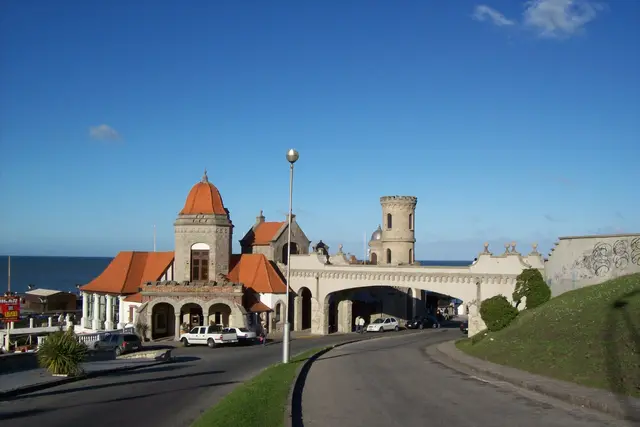 attraction
Torreón del Monje: Mar del Plata Travel Guide (4.4★)
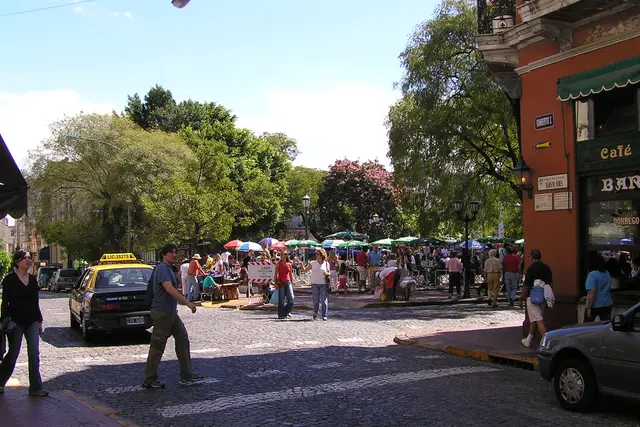 hidden gem
San Telmo Fair: Buenos Aires Travel Guide (4.5★)
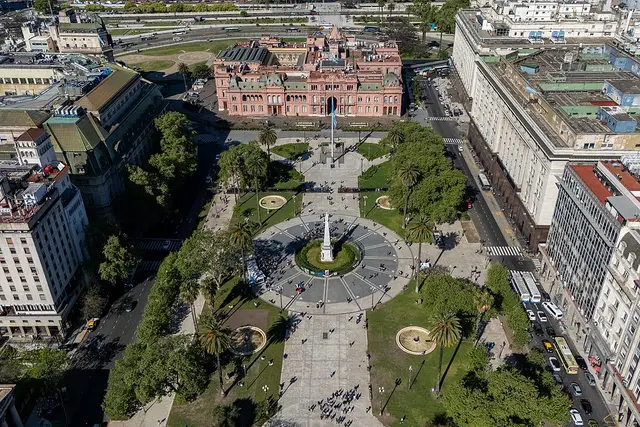 hidden gem
Plaza de Mayo: Buenos Aires Travel Guide (4.6★)
 hidden gem