
Why go
The Calanques are what happens when the limestone spine of Provence decides to meet the Mediterranean head-on. Sheer white cliffs, some over 400 metres high, drop into water that shifts from turquoise in the shallows to a deep, almost ink-blue further out. Created as France’s ninth national park in 2012, this is the only park in Europe that is simultaneously mountain, forest, and marine reserve, stretching roughly 20km of coastline between Marseille’s southern edge and Cassis.
You come here for the light bouncing off the rock, the smell of pine and thyme baking in the sun, and the particular quiet of a cove you can only reach on your own two feet.
Getting there
There’s no single “entrance”. The park is a mosaic of trailheads. From central Marseille, bus line 23 or the M2 metro to Sormiou takes you toward the Les Baumettes gate, from where it’s about a 45-minute walk down a stony track to Calanque de Sormiou. For Morgiou, buses run from Marseille’s 8th arrondissement to a similar park-and-ride gate. If you’d rather skip the walk, small boats depart from the Vieux-Port for Sugiton, En-Vau, and Port-Miou, dropping you almost directly onto the pebbles.
Driving is discouraged and often blocked: private cars are banned on the calanque access roads in peak season, and the park-and-ride car parks fill by mid-morning.
What to see and do
Sormiou is the most accessible cove, wide enough for a small fishing hamlet of red-roofed cabanons and a couple of seasonal restaurants, good if you want a swim without too much scrambling. Morgiou has a similar cluster of cabins and a narrower, more sheltered inlet. For drama, En-Vau is the postcard shot: a slot canyon of rock walls opening onto a tiny beach, reachable by a steep, rope-assisted trail or by boat.
Sugiton, closer to Marseille and popular with university students from Luminy campus next door, has a short but genuinely steep descent rewarded by clear, calm water good for snorkelling. Hikers can also link several calanques via the GR98 coastal trail, though the sun-exposed limestone offers almost no shade, so this is not a casual afternoon stroll in July.

When to go
Late spring (May-June), and September are the sweet spot (warm enough to swim, cooler underfoot than midsummer, and before the peak crowds. July and August bring intense heat, and the park often restricts access to certain trailheads (Sugiton, Sormiou, Marseilleveyre) on high-fire-risk days, with free permits required in advance) check the park’s official site before you go, since rules shift year to year. Winter and early spring bring rough seas that can cancel boat trips but also empty out the trails almost entirely.
How to visit like a local
This is one of the most visited natural sites in France, so the goal isn’t finding a secret corner, it’s timing your visit to dodge the crush. Arrive at the trailhead gates by 8am; by mid-morning the park-and-ride lots at Sormiou and Morgiou are full and latecomers are turned away or left circling for parking. Bring your own water and food, there’s little to buy once you’re past the gates, and what exists at Sormiou’s summer cabanons is limited and cash-plus-card, not a proper supermarket.
Wear actual hiking shoes, not sandals; the limestone trails are loose scree and sharper than they look, and this is the single most common mistake visitors make, arriving in flip-flops for what is genuinely a mountain trail. Pack out everything you bring in, there are no bins in the park itself, and know that fires, drones, and dogs off-leash are all prohibited to protect the fragile scrubland habitat. If you’re coming by boat, book the crossing a few days ahead in summer; the small operators sell out.
Nearby
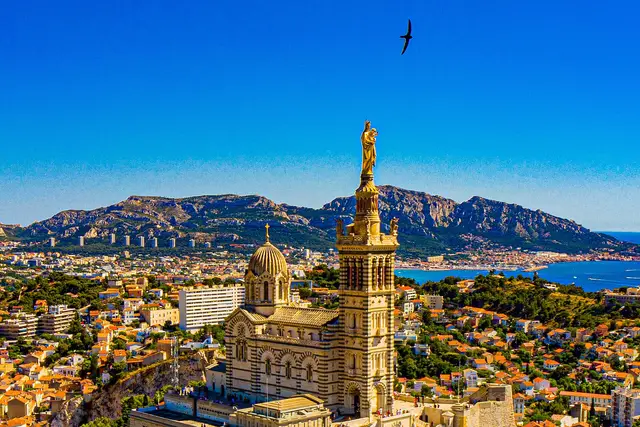
Cassis, the postcard harbor town at the park’s eastern edge, makes a good base for boat tours into the calanques and has its own cluster of seafood restaurants along the port. On the Marseille side, the Vieux-Port and the hilltop basilica of Notre-Dame de la Garde are both a short drive or metro ride from the park’s western gates, easy to combine with a half-day calanque visit if you start early.
Frequently asked questions
Do I need a permit to visit the Calanques?
For the busiest inland trailheads (Sugiton, Sormiou, Marseilleveyre) during summer high-risk days, the park requires a free online access permit booked in advance. Rules and dates vary by year, so check the official Parc national des Calanques website before you go.
Can I drive to the calanques?
Not directly. Cars are banned on the roads leading into the coves during peak season; you park at gated lots like Les Baumettes (for Sormiou) or the Morgiou gate and walk 30-45 minutes down to the water.
How long should I spend at the Calanques?
Budget at least half a day for one calanque, including the walk in and out. A full day lets you swim, eat something at a cabanon, and walk out before the afternoon heat peaks.
What's the best way to avoid the crowds?
Arrive at the trailhead by 8am on foot or take the first available boat from the Vieux-Port; parking lots and popular coves like Sormiou fill up by mid-morning, especially on summer weekends.
Is it easy to combine with a Marseille city visit?
Yes — several access gates are a short bus or metro ride from central Marseille, so you can pair a morning at the calanques with an afternoon at the Vieux-Port or Notre-Dame de la Garde.
Plan your trip to Marseille
France eSIM & staying connected →
Some links above are affiliate links — if you book through them, Wander Atlas earns a small commission at no extra cost to you. It's how we keep every guide free.
Related guides
 attraction
 Parc Borély: Marseille Travel Guide (4.5★)
 attraction
 Notre-Dame de la Garde: Marseille Travel Guide
 attraction
 Palais Longchamp: Marseille Travel Guide (4.6★)
 attraction