A December race past temple gates
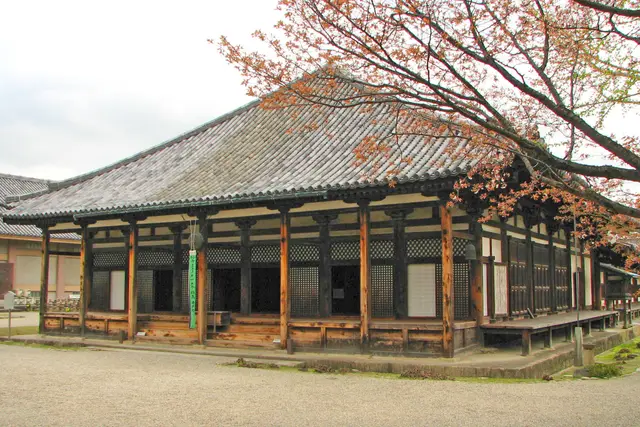
The 2026 Nara Marathon is on December 13. It is a road race through the city that served as Japan’s capital in the eighth century. Runners pass the edges of Nara Park, where the free-roaming sika deer live, and the grounds of temples such as Todai-ji and Kofuku-ji.
The event began in 2010, the year Nara marked 1,300 years since the Heijo-kyo capital was founded. Over the years it has built a reputation as a hilly course. The roads climb out of the Nara basin, so runners rarely treat it as a personal-best race.
Start line, stations and where to stay
In past editions the race has started and finished at the athletics stadium in Konoike Sports Park. The park is on the north side of central Nara, behind Todai-ji. The course map for this edition is on the official Nara Marathon website.
Two stations serve the city:
- Kintetsu Nara Station: the closest rail link to Nara Park and the older streets. Express trains reach it from Osaka-Namba in about 40 minutes and from Kyoto in roughly 45.
- JR Nara Station: about 15 minutes’ walk further west, on the JR Yamatoji Line from Osaka and the JR Nara Line from Kyoto.
ICOCA and other Japanese IC cards work on both networks. Plenty of runners stay in Osaka, where hotels are more numerous, and take the train in on race morning. Hotels close to Kintetsu Nara are the first to fill on race weekend.
Cold mornings in the basin
December in the Nara basin is cold. Early mornings often sit close to freezing and warm up slowly under clear skies. Runners usually stand at the start in disposable layers or bin-bag ponchos, then shed them. Spectators along exposed stretches wear proper winter coats.
Expect road closures across central Nara on race morning. City buses on routes near the course are diverted or held. Walking from Kintetsu Nara is usually faster than waiting for a bus.
Cheering and getting around on race day
Japanese crowds cheer politely and steadily. You will hear “Ganbatte!” (keep going) and “Faito!” all along the route. Supporters often hold handmade signs with a runner’s name or bib number. Spectators stay behind the barriers or on the kerb and leave the road clear, even on quiet stretches.
- Rubbish: public bins are rare in Nara. Locals carry wrappers and cups home, and visiting spectators are expected to do the same.
- Deer: the deer around Nara Park associate people with food and will nose into bags. Shika senbei (deer crackers) are sold from stalls near the park. Keep snacks for runners zipped away.
- Lockers: the coin lockers at Kintetsu Nara Station fill quickly on a busy weekend, so runners staying in Osaka often leave bags at their hotel.
- Payment: cards are widely accepted at convenience stores and chains. Small temple stalls and older shops near Nara-machi often take only cash.
After the race, many finishers walk the short distance into Nara Park to see the Great Buddha Hall at Todai-ji. Others wander the lanes of Nara-machi, the old merchant quarter south of Sarusawa Pond.
Frequently asked questions
When is the Nara Marathon in 2026?
The Nara Marathon takes place on December 13, 2026.
Where does the race start and finish?
Past editions have started and finished at the athletics stadium in Konoike Sports Park, north of Todai-ji. The organiser publishes the course map for each edition on the official Nara Marathon website.
How do I get to Nara from Osaka or Kyoto?
Kintetsu express trains reach Kintetsu Nara Station in about 40 minutes from Osaka-Namba and about 45 minutes from Kyoto. JR lines from both cities run to JR Nara Station, which is about 15 minutes' walk west of the park area. IC cards such as ICOCA work on both networks.
Is the Nara Marathon a fast course?
No. It is known as a hilly race because the course climbs out of the Nara basin. Most runners treat it as a scenic December race rather than a personal-best attempt.
What is there to see nearby after the race?
Nara Park and its deer, Todai-ji's Great Buddha Hall, Kofuku-ji's pagoda and the old merchant quarter of Nara-machi are all within walking distance of the city centre.
Plan your trip to Nara
Japan eSIM & staying connected →
Some links above are affiliate links — if you book through them, Wander Atlas earns a small commission at no extra cost to you. It's how we keep every guide free.