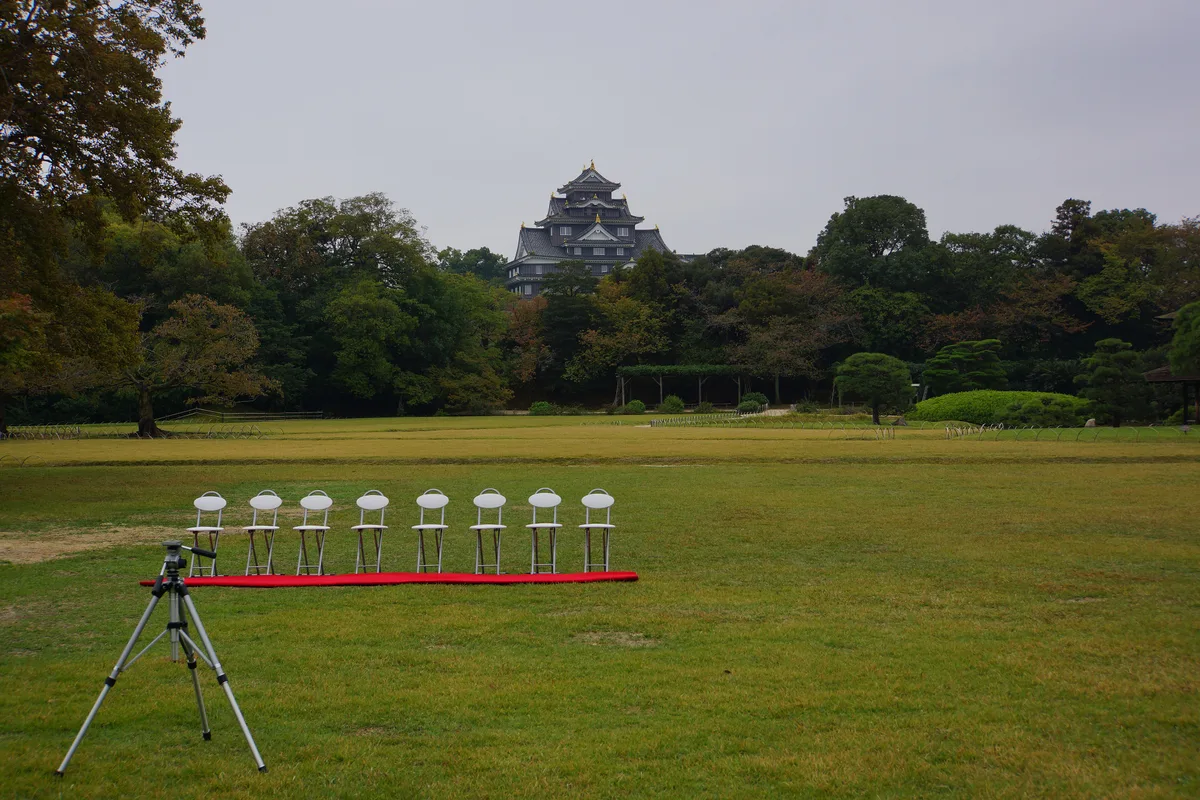
A black keep above the Asahi River
The keep is black, and that’s why it has its nickname. Okayama Castle is known as U-jō, the “Crow Castle”, because of the dark lacquered boards that cover its walls. Gilded shachihoko (fish-shaped roof ornaments) on the roof ridges stand out against them. The Asahi River curls around the base, and Korakuen, one of Japan’s three great gardens, lies on the far bank.
Ukita Hideie finished the castle in 1597. The keep burned in the 1945 air raids, and the one you climb today is a concrete reconstruction from 1966. One original building survives: the Tsukimi-yagura, a moon-viewing turret that is now an Important Cultural Property. Part of the stone walling dates from the Ukita era, so keep an eye on the rough, irregular stonework near the base.
Inside the keep
Inside, the keep works as a museum. An elevator runs up through the floors, so you can skip most of the climb. Inside you’ll find:
- Displays on the Ukita and Ikeda clans who ruled from here, with armour, swords and documents
- A Bizen-ware workshop, where you can paint or shape pieces in the local unglazed pottery style
- Costume try-ons in samurai or princess dress, with photo spots
- A top-floor lookout over the river, Korakuen and the city grid
Allow 60–90 minutes for the keep and grounds. Add two hours if you’re also crossing to Korakuen, which most visitors do.

Getting there from Okayama Station
The Okayama Electric Tramway leaves from the plaza in front of the station’s East Exit. Take the Higashiyama line to Shiroshita, then walk about 10 minutes east through Ujo Park. If you’d rather walk the whole way, it’s around 25 minutes along Momotaro Odori.
From Korakuen, the Tsukimi-bashi bridge brings you over the river right to the castle’s back gate. That makes it easy to see both in one loop.
Timing the climb and the crossing
Weekdays are the easy choice here. Measured foot traffic shows the castle quiet on weekdays from 9am–5pm. Weekends are a different story: between 10am and 4pm the elevator queue grows and the costume corner fills up. If a weekend is your only option, be at the gate when it opens at 9am, or come late in the afternoon.
At the moment the keep is open 9am–5:30pm. Castle hours shift through the year and can change for special events, so check this month’s times on the official site. Some practical points:
- Tickets: the counter sells castle-only tickets and a combined ticket with Korakuen. If you plan to see both, buy the combined one. Prices are posted at the gate.
- Tram fare: ICOCA and other IC cards work on the tram. Tap when you get off at the front door.
- Order of visit: visiting Korakuen first and crossing to the castle afterwards means you climb the keep after the morning rush has thinned.
- Workshop: Bizen-ware pieces have to be fired after you finish, so ask at the desk how shipping or collection works before you start.
Inside, stay to the side on the narrow stairs and don’t use flash near the display cases. Spring cherry blossom along the moat and autumn colour in Korakuen are the busiest seasons. On those weekends the gate-opening rule matters most.
Frequently asked questions
How do I get to Okayama Castle from Okayama Station?
Take the Okayama Electric Tramway Higashiyama line from the station's East Exit to Shiroshita, then walk about 10 minutes. Walking the whole way takes around 25 minutes.
When is the quietest time to visit?
Weekdays are quiet for the whole 9am–5pm window. On weekends, avoid 10am–4pm, which is the busiest stretch.
How long should I spend there?
Allow 60–90 minutes for the keep and grounds. Add about two hours if you're also visiting Korakuen across the Tsukimi-bashi bridge.
Is the castle original?
Mostly not. The keep is a 1966 concrete reconstruction after it burned in 1945. The Tsukimi-yagura turret and some of the stone walls are original.
What are the opening hours?
Currently 9am–5:30pm, but hours shift through the year, so check the official site for this month's times.
Plan your trip to Okayama
Japan eSIM & staying connected →
Some links above are affiliate links — if you book through them, Wander Atlas earns a small commission at no extra cost to you. It's how we keep every guide free.
Related guides
 attraction
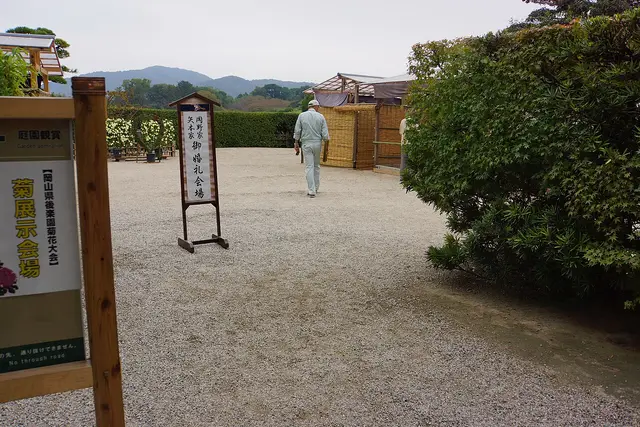
 Okayama Korakuen: Travel Guide (4.4★)
 attraction
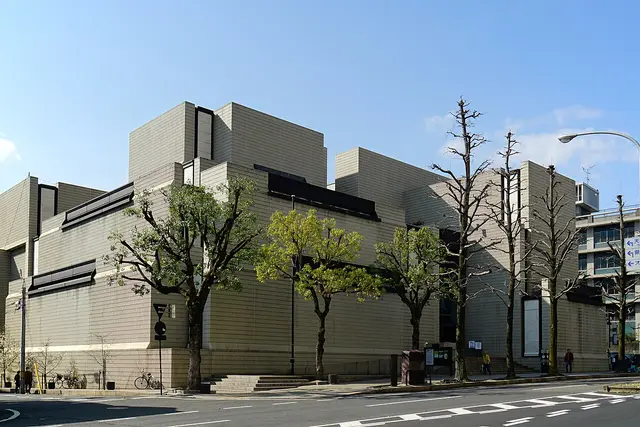
 Okayama Orient Museum: Travel Guide (4.3★)
 hidden gem
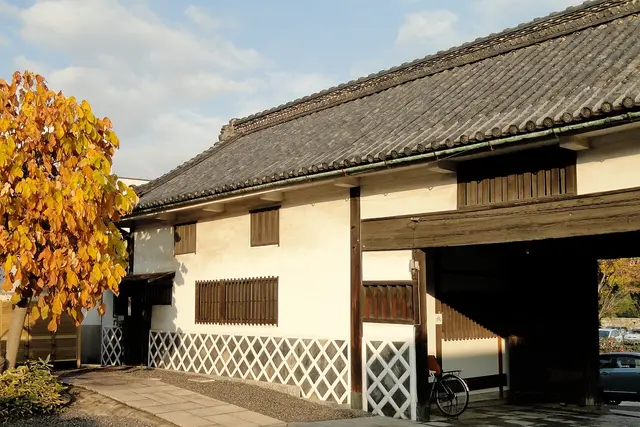
 Hayashibara Museum of Art: Okayama Travel Guide (4.0★)
 hidden gem