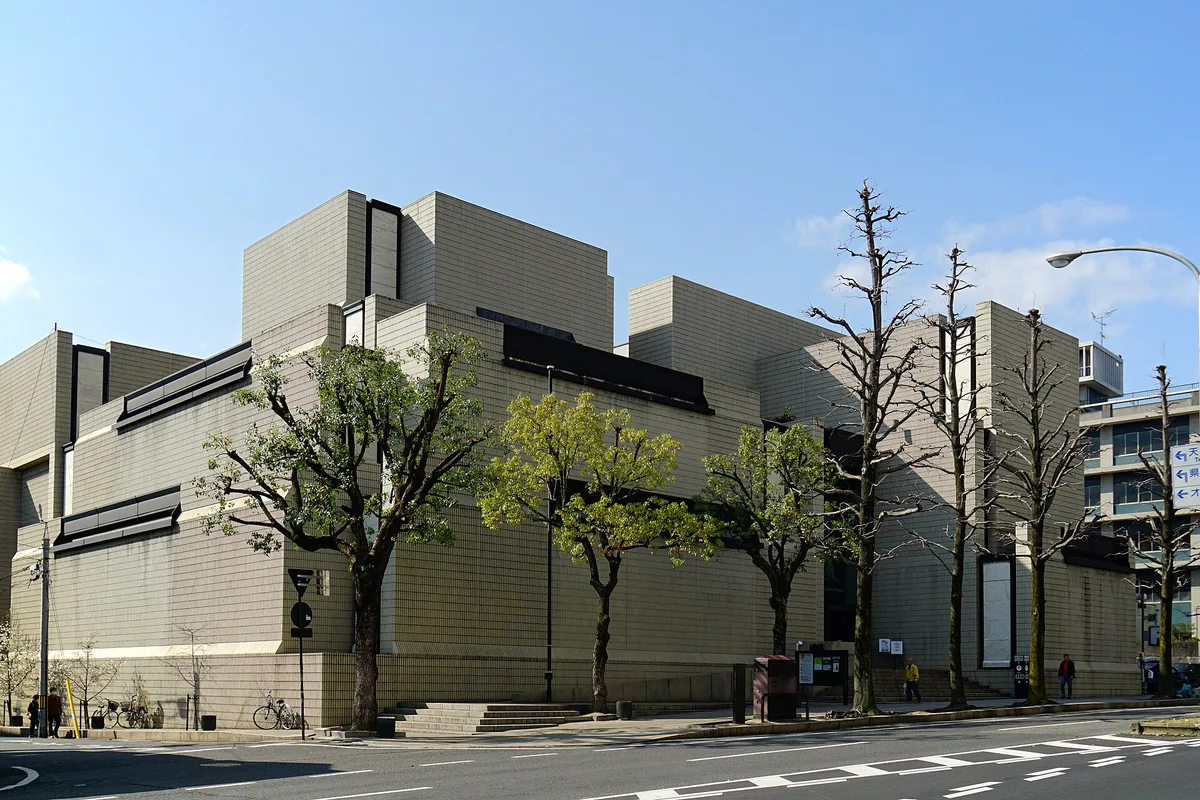
Mesopotamia, ten minutes from the castle
Most visitors to Okayama come for Korakuen and the black castle. Then they get back on the Shinkansen. A few streets west of both, a city museum holds a collection that most of Japan doesn’t have: thousands of pieces of historical art from the Middle East. That covers the ancient Near East through to the Islamic world.
It is an under-the-radar stop. The galleries tend to be calm, and you can spend a long time over a single case without anyone at your shoulder. You’ll find it under its Japanese name, オリエント美術館 (Orient Bijutsukan), on local signs and maps.
What’s behind the glass
The collection runs across several thousand years and a wide stretch of territory. It spans roughly from present-day Turkey and Syria across to Iran. Expect objects at hand scale rather than monumental sculpture, so give yourself time at each case. The material you’ll typically find includes:
- Clay tablets and seals in cuneiform, from the earliest writing cultures
- Ancient glass, the thin iridescent vessels the region is known for
- Painted pottery from early Iranian and Mesopotamian sites
- Islamic ceramics and metalwork, with glazed tiles and inlaid pieces
- Rotating special exhibitions that pull a theme out of the stores
Labels are mainly in Japanese. English support varies by display, so read up on the period you care about before you come. A translation app pointed at a caption does the rest.
Getting to Tenjinchō
The address is 9-31 Tenjinchō, Kita Ward. From Okayama Station, take the Okayama Electric Tramway Higashiyama line from the stop in front of the station’s east exit. Get off at Shiroshita, then walk a few minutes north.
If you’d rather walk, head east along Momotaro-dori from the station. It takes about 15–20 minutes on flat pavement. The route passes the shopping streets, so it’s an easy walk on a dry day.
Pairing it with the rest of the museum quarter
Tenjinchō is Okayama’s museum district, and the Orient Museum works best as one stop of several. The Okayama Prefectural Museum of Art is right beside it. The Hayashibara Museum of Art, with its Japanese and East Asian collection, is a short walk away on the castle side.
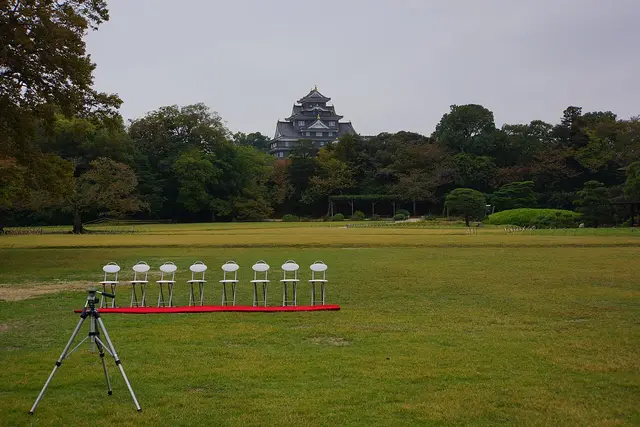
From there, Okayama Castle is around ten minutes on foot. Cross the Asahi River and you’re at Korakuen, one of Japan’s three great landscape gardens. A sensible day goes like this:
- Morning: the Orient Museum, starting at its 9am opening
- Late morning: the castle grounds
- Afternoon: Korakuen, which deserves unhurried time
Visiting the Orient Bijutsukan without fuss
The routine here is the same as at most Japanese public museums. Buy your ticket at the counter by the entrance; current admission, including any special-exhibition price, is posted there and on the official website. Bags that won’t fit comfortably in the galleries usually go in coin lockers, which return your coin.
Gallery manners are strict but simple. Talk quietly, keep phone calls outside, and look for the camera symbols posted by each room, because photography rules can change between the permanent collection and special exhibitions. Staff will stop you politely but firmly if you lean on the cases.
The one schedule mistake that costs you is Monday. The museum is currently closed that day, and Okayama’s other museums often share the same day off. Plan your Tenjinchō morning for Tuesday to Sunday. Hours can shift for holidays and exhibition changeovers, so check this month’s calendar on the official site.
How long, and who it suits
Budget 60–90 minutes for the permanent galleries, and longer if a special exhibition is running. It’s a good choice for a rainy day in Okayama, when the garden is less pleasant. It also suits travellers who have already seen plenty of Japanese temples and want a change.
If you’ve been to the British Museum or the Louvre’s Near Eastern rooms, you’ll enjoy the scale here. It’s small enough to see properly in one visit, and calm enough that you can actually read every case.
Frequently asked questions
How do I get to Okayama Orient Museum from Okayama Station?
Take the Okayama Electric Tramway Higashiyama line from the stop outside the station's east exit, get off at Shiroshita, and walk a few minutes north to 9-31 Tenjinchō. Walking the whole way along Momotaro-dori takes about 15–20 minutes.
What days is the museum open?
At the moment it opens Tuesday to Sunday, 9am–5pm, and is closed on Mondays. Hours can change for holidays and exhibition changeovers, so check the official site before you go.
How long should I spend there?
Allow 60–90 minutes for the permanent collection, and more if a special exhibition is on.
Is there English information?
Labels are mainly in Japanese and English support varies by display. A translation app and some background reading on the ancient Near East help a lot.
What else is nearby?
The Okayama Prefectural Museum of Art is next door, the Hayashibara Museum of Art is a short walk away, and Okayama Castle and Korakuen garden are both within walking distance.
Plan your trip to Okayama
Japan eSIM & staying connected →
Some links above are affiliate links — if you book through them, Wander Atlas earns a small commission at no extra cost to you. It's how we keep every guide free.